Adding Warmth to Your Cabin Interior with Natural Materials
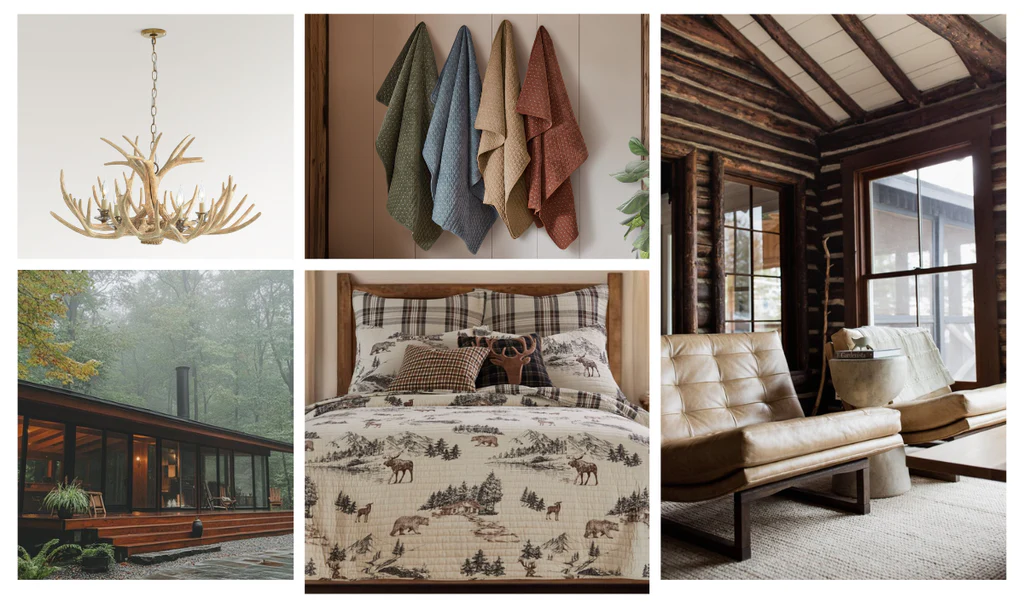
Creating a warm and inviting cabin interior is all about the materials you choose. Natural materials such as wood, stone, wool, and linen not only provide a cozy atmosphere but also connect your space to the surrounding environment. By thoughtfully incorporating these elements, you can achieve a cabin that feels both comfortable and timeless.
Wood: The Heart of Cabin Warmth
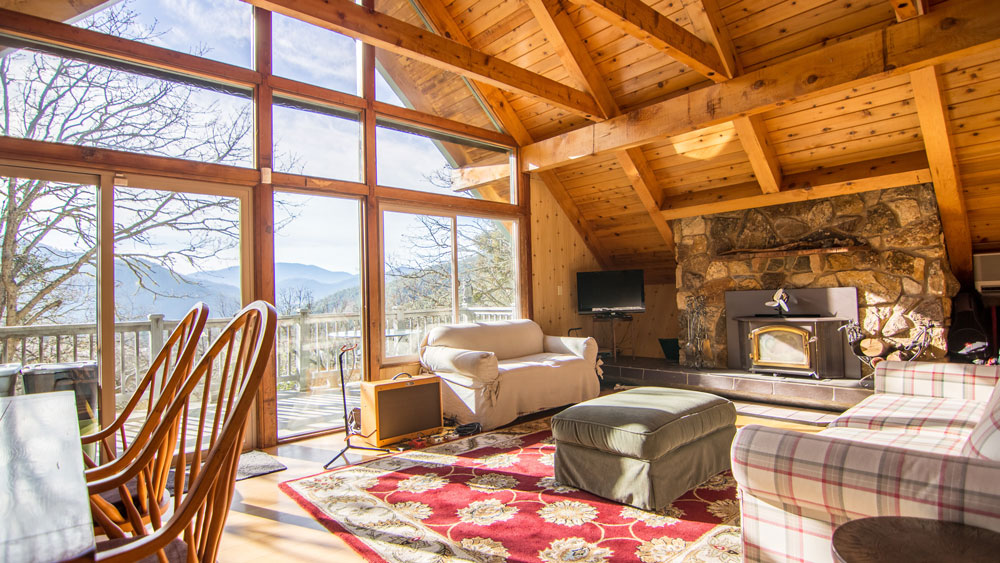
Wood is the quintessential material for cabins, offering warmth, texture, and a natural aesthetic. Exposed wooden beams, hardwood floors, and wall paneling bring character and a sense of history to the space. Lighter woods, like pine or maple, create a bright and airy feel, while darker woods, like oak or walnut, evoke a sense of richness and coziness.
Furniture made from solid wood or reclaimed timber adds both functionality and charm. Incorporating wooden shelving, tables, and benches ties the interior together and maintains a cohesive, natural look. Wood also pairs beautifully with other materials, making it versatile for modern or rustic designs alike.
Stone: Natural Texture and Earthy Elegance
Stone introduces a grounding, tactile element to the cabin interior. Exposed stone walls, fireplaces, or countertops add texture and a rugged, natural beauty. Light-colored stone can brighten a room, while darker tones create contrast and visual interest. Stone surfaces are durable, low-maintenance, and help regulate temperature by absorbing and releasing heat slowly.
Combine stone with wood to balance warmth and texture. For instance, a stone fireplace surrounded by wooden beams or floors creates a cozy focal point. Even small accents, like stone tiles or decorative pebbles, can enhance the cabin’s natural character.
Textiles: Softening the Space
Natural textiles, such as wool, cotton, linen, and jute, soften hard surfaces and add tactile warmth. Wool blankets, area rugs, and throws provide comfort during chilly evenings, while linen curtains and cushions offer a light, breathable texture. Choosing natural fibers over synthetic ones enhances both the visual and physical comfort of the cabin.
Layering textiles is a simple yet effective technique. Combine rugs, cushions, and throws in complementary colors and textures to create depth and a cozy, lived-in feel. Natural textiles also allow for seasonal flexibility; swap lighter fabrics in summer and heavier ones in winter to maintain comfort year-round.
Leather and Natural Accessories
Leather accents, such as chairs, ottomans, or decorative items, bring warmth and sophistication. Leather’s durability and natural patina make it perfect for high-use areas while adding a rustic touch. Pairing leather with wood and stone elements enhances the cabin’s organic appeal.
Other natural accessories, like wicker baskets, rattan furniture, or bamboo décor, introduce texture and functionality. Use baskets for storage or display to keep the cabin tidy while reinforcing the natural theme.
Greenery: Bringing the Outdoors Inside
Indoor plants and natural greenery add life and vibrancy to cabin interiors. Small potted plants, hanging planters, or a miniature herb garden can improve air quality while creating a visual connection with the surrounding environment. Select low-maintenance plants, such as ferns, succulents, or herbs, to keep the interior fresh without requiring extensive care.
Natural elements like branches, stones, or driftwood can also serve as décor accents, reinforcing the cabin’s connection to nature and adding subtle artistic touches.
Lighting: Enhancing Warmth Naturally
While natural materials set the foundation for warmth, proper lighting enhances it. Choose warm-toned bulbs, pendant lamps, or lanterns that complement wooden surfaces and textiles. Sunlight should be maximized with large windows, skylights, or open layouts to illuminate natural textures and colors. Reflective surfaces, such as stone or light wood, help distribute natural light, making the cabin feel cozy yet airy.
Combining Materials Thoughtfully
Balance is key when using natural materials. Avoid overloading the space with heavy textures; instead, mix and match wood, stone, textiles, and greenery to create a harmonious environment. Layer materials in different areas—hard surfaces for structure, soft textiles for comfort, and greenery for freshness—to achieve a cohesive, inviting interior.
Consider color palettes that complement the natural materials. Neutral earth tones, warm browns, soft creams, and muted greens work well together and create a sense of continuity throughout the cabin.
Conclusion
Adding warmth to a cabin interior with natural materials transforms a simple space into a cozy and inviting retreat. Wood, stone, textiles, leather, and greenery all contribute to comfort, aesthetic appeal, and a connection to nature. By thoughtfully combining these elements, your cabin can feel harmonious, functional, and timeless—a true sanctuary where natural beauty and modern living coexist seamlessly.
Popular Articles
-
Home & Repair
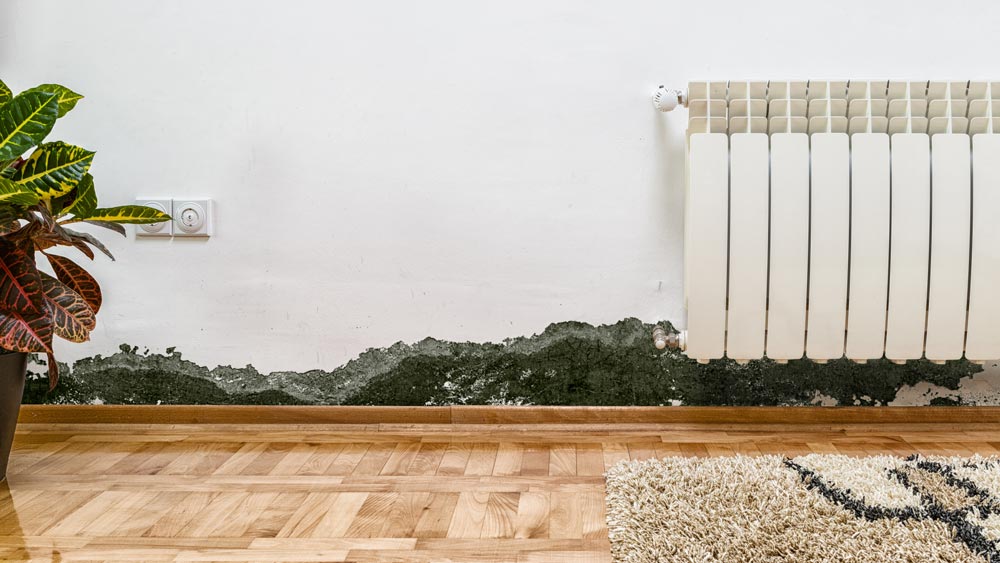
 5 Practical Tips to Prevent Dampness & Mold in Your CabinA cozy cabin can quickly become unpleasant if damp and mold take hold. These five practical tips help keep humidity under control and protect wood, finishes, and indoor air quality.
 -
Home & Repair
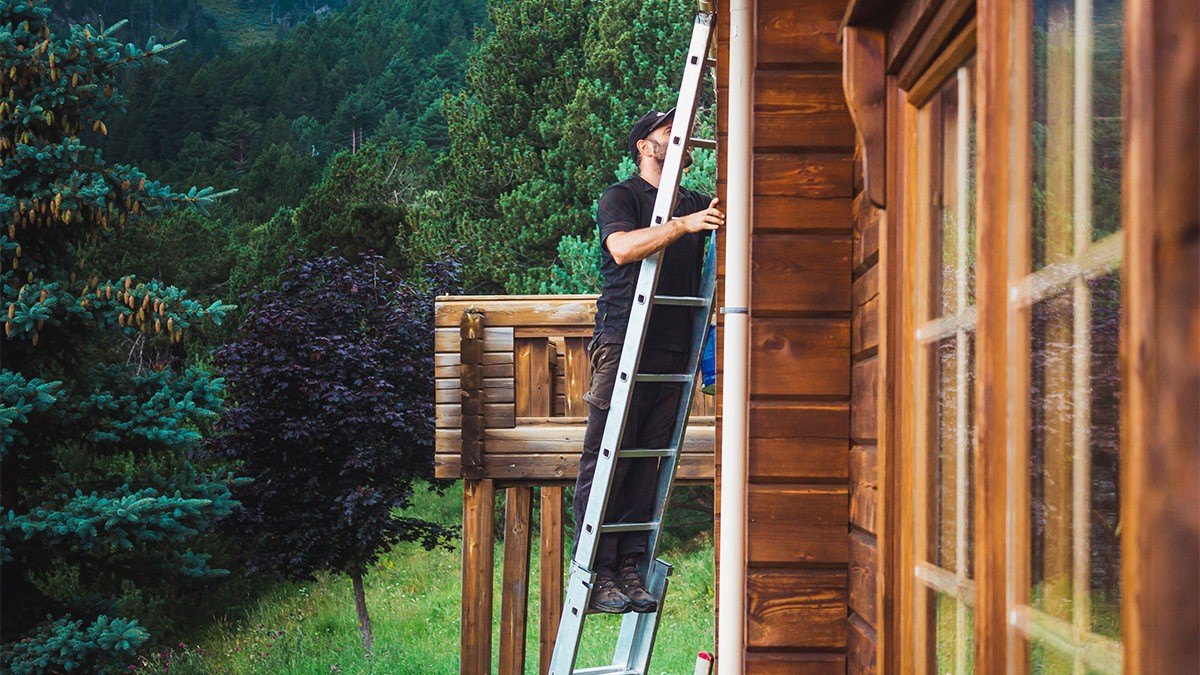
Spring Cabin Care: Window Cleaning, Roof Check & Yard Refresh TipsSpring is the perfect time to give your cabin a fresh start after the long winter. With a few simple maintenance tasks, you can brighten your living space, protect your structure, and make your outdoor area ready for warmer days. Here are some essential spring cleaning and maintenance tips for your cabin.
-
Home & Repair
Wood Cabin Maintenance Guide: Smart Tips to Extend the Life of Your TimberA wooden cabin has natural warmth and charm, but wood requires regular care to stay strong and beautiful. Proper maintenance helps prevent decay, cracks, and insect damage while keeping your cabin looking timeless. Here are some smart tips to extend the lifespan of your wooden structure.