Building a Cabin: Planning, Materials, and Design
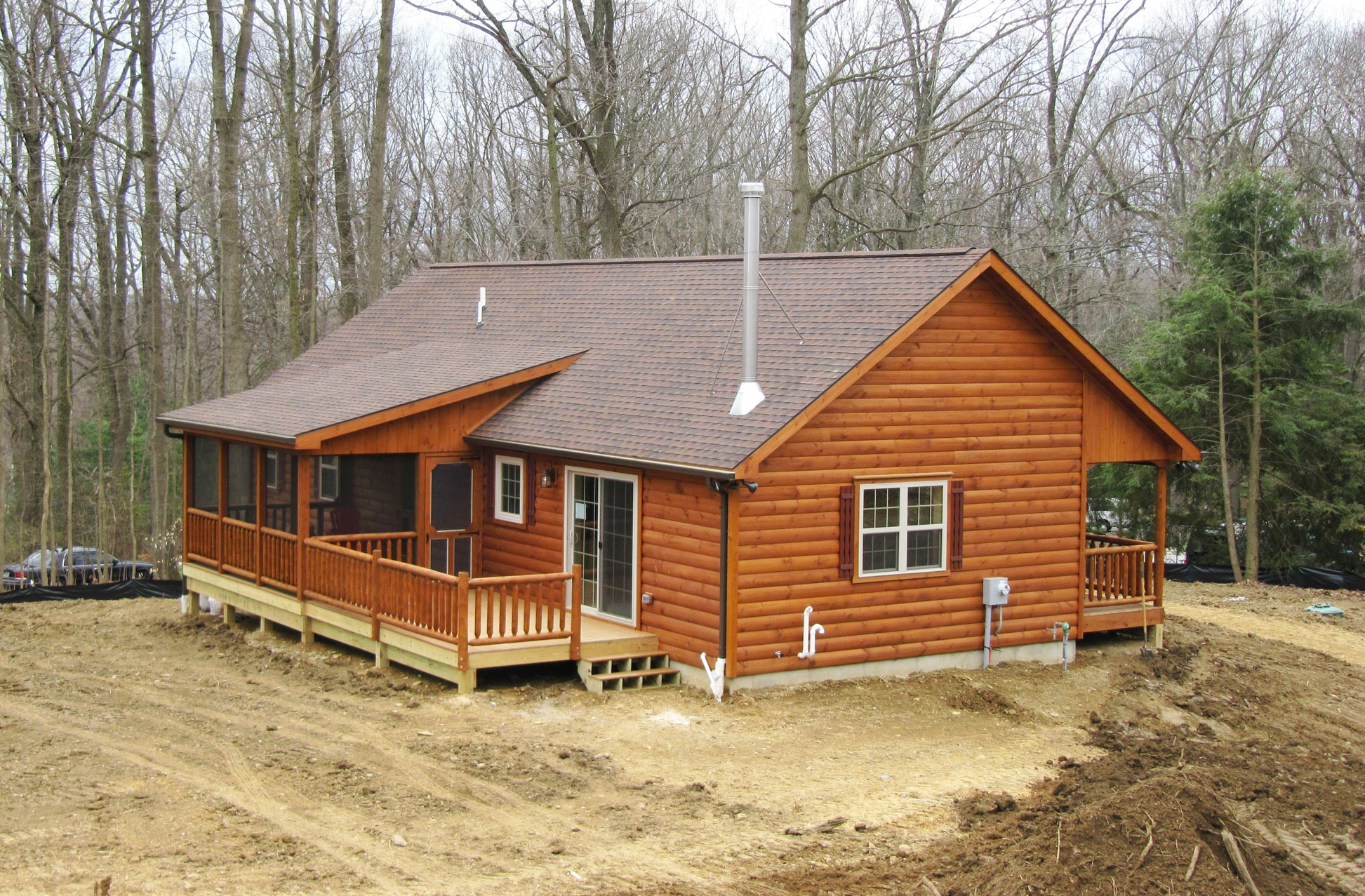
Constructing a cabin is a rewarding project that combines creativity, practicality, and a connection to nature. Whether you plan a weekend getaway, a tiny home, or a family retreat, careful planning, selecting the right materials, and thoughtful design are essential to ensure a safe, comfortable, and aesthetically pleasing result.
1. Planning Your Cabin
Begin with a clear plan that includes the purpose, size, and layout of your cabin. Consider how many people will use it, the number of rooms, and specific features like a deck, loft, or storage space. Research local zoning laws, building codes, and permits to ensure compliance. Early planning helps prevent costly mistakes and ensures a smooth construction process.
2. Choosing the Right Location
Location is critical for functionality and aesthetics. Select a site with good drainage, access to utilities if needed, and a view that complements your cabin experience. Take into account sun exposure, prevailing winds, and natural landscape features. Proper site selection reduces maintenance issues and enhances enjoyment.
3. Selecting Materials
Materials define the cabin’s durability, insulation, and visual appeal. Common options include:
- Wood: Logs or timber provide a rustic, natural look and excellent insulation.
- Stone or Brick: Ideal for foundations, fireplaces, and accent walls for stability and aesthetics.
- Metal Roofing: Durable and low-maintenance, suitable for various climates.
- Composite Materials: Useful for decks, flooring, or exterior finishes requiring minimal upkeep.
Choosing quality materials suited to your environment ensures long-term durability and reduces repair costs.
4. Cabin Design Principles
Design should balance functionality, comfort, and style. Consider:
- Open Floor Plans: Maximize space in small cabins and improve natural light flow.
- Lofts and Mezzanines: Add sleeping or storage space without increasing footprint.
- Windows and Lighting: Place windows to capture views, sunlight, and ventilation.
- Insulation and Energy Efficiency: Proper insulation, sealing, and energy-efficient windows maintain comfort and reduce costs.
5. Interior Features and Comfort
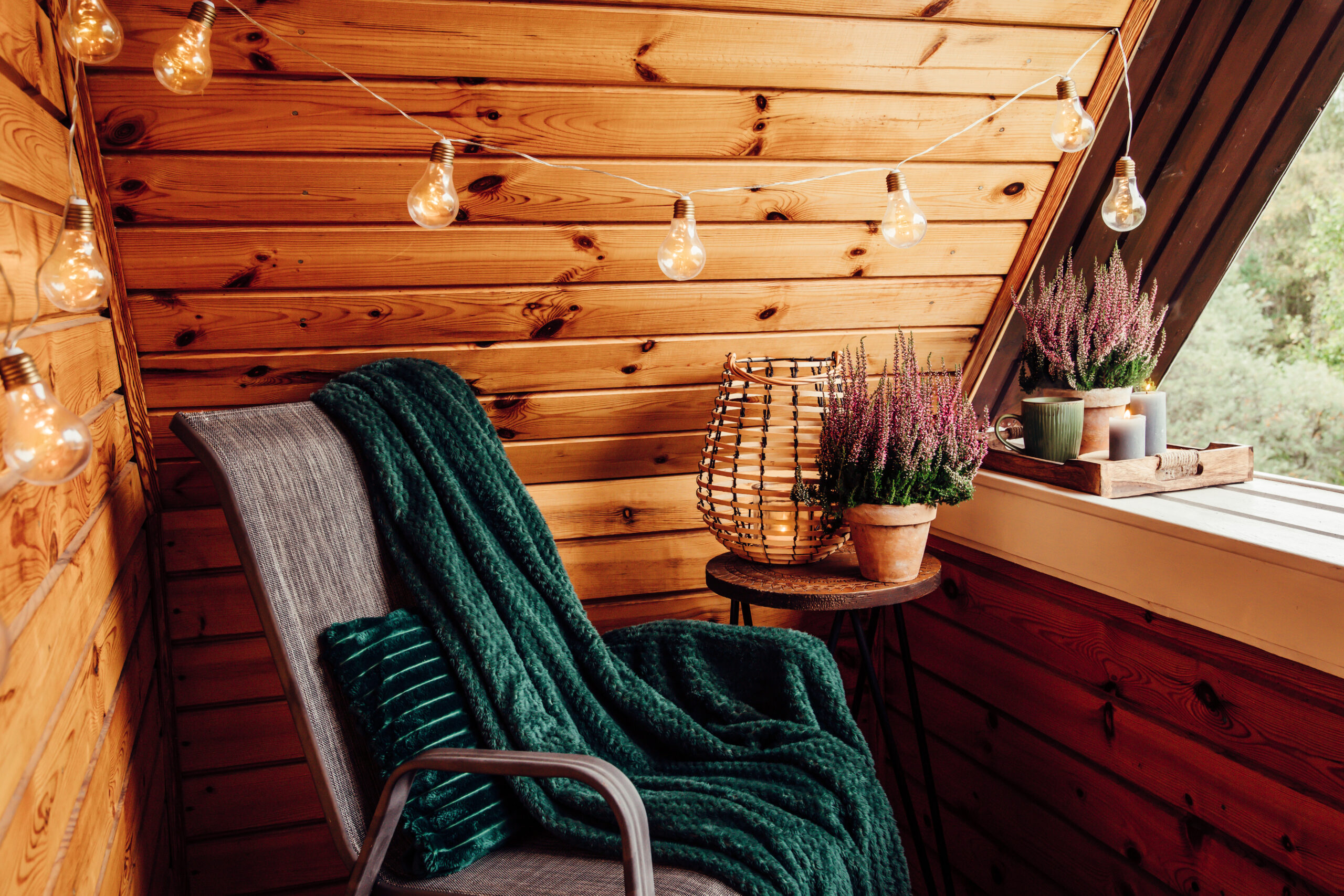
Plan interior spaces to meet daily needs. Include practical storage, compact kitchens, and flexible seating areas. Rustic finishes, exposed beams, and natural materials maintain a cozy cabin atmosphere. Smart use of lighting, textiles, and décor enhances both comfort and style.
6. Outdoor Considerations
Cabin surroundings are as important as the interior. Decks, patios, or porches expand living space and connect your cabin to nature. Outdoor landscaping should focus on native plants and sustainable materials. Pathways, seating areas, and lighting improve safety and usability.
7. Maintenance Planning
Design with long-term maintenance in mind. Choose durable materials, weather-resistant finishes, and construction techniques that simplify repairs. Regular inspections and preventive care ensure your cabin remains safe, functional, and beautiful for years to come.
8. Budget and Timeline
Estimate the overall cost of construction, materials, permits, and labor. Set a realistic timeline and plan for contingencies. Proper budgeting and scheduling reduce stress and keep your project on track.
Final Thoughts
Building a cabin requires careful planning, smart material selection, and thoughtful design. By considering functionality, aesthetics, and sustainability, you can create a retreat that provides comfort, enjoyment, and lasting value. Whether for weekend getaways or long-term living, a well-built cabin becomes a cherished connection to nature and personal creativity.
Popular Articles
-
Home & Repair
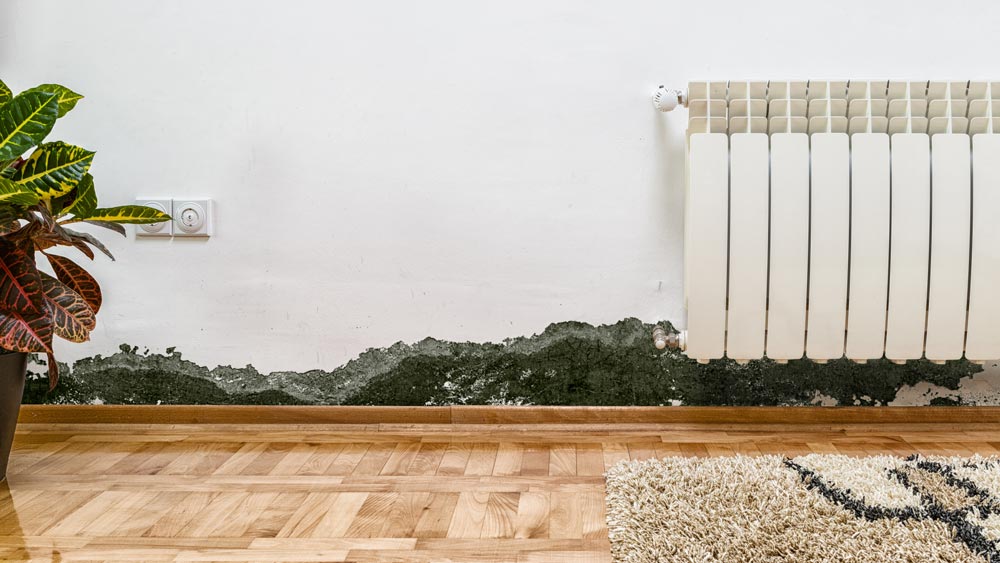
 5 Practical Tips to Prevent Dampness & Mold in Your CabinA cozy cabin can quickly become unpleasant if damp and mold take hold. These five practical tips help keep humidity under control and protect wood, finishes, and indoor air quality.
 -
Home & Repair
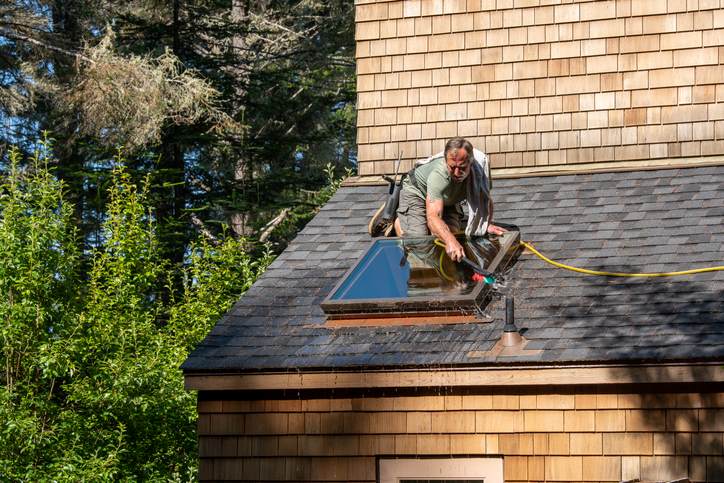
Spring Cabin Care: Window Cleaning, Roof Check & Yard Refresh TipsSpring is the perfect time to give your cabin a fresh start after the long winter. With a few simple maintenance tasks, you can brighten your living space, protect your structure, and make your outdoor area ready for warmer days. Here are some essential spring cleaning and maintenance tips for your cabin.
-
Home & Repair
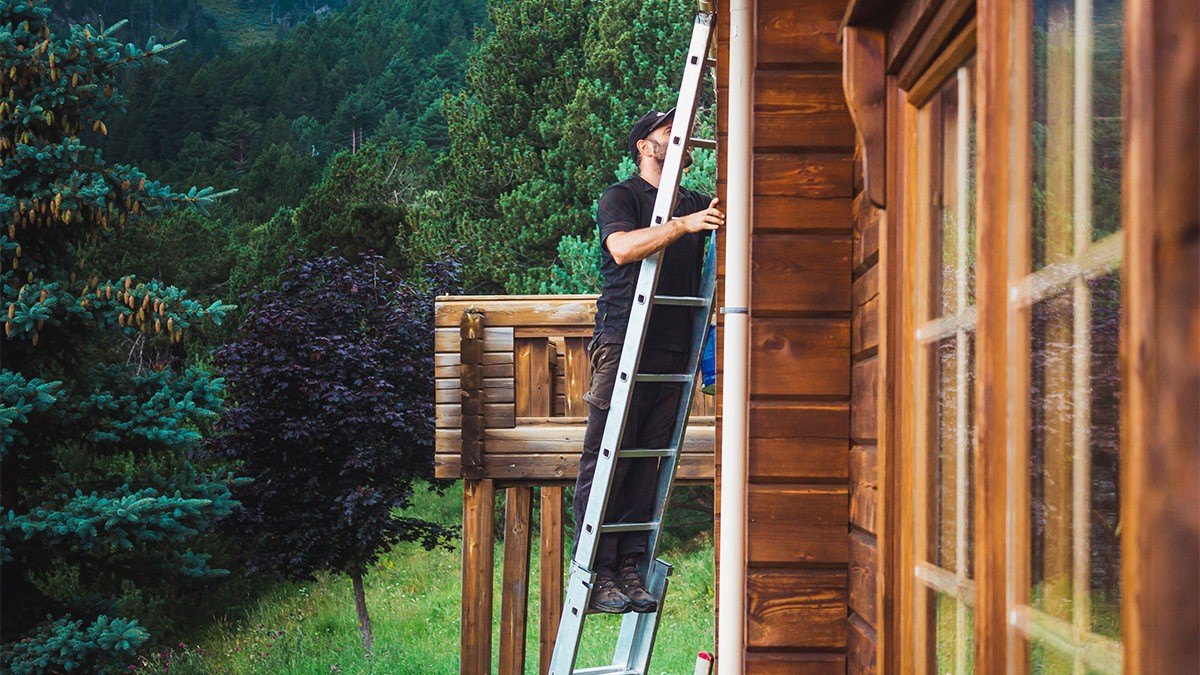
Wood Cabin Maintenance Guide: Smart Tips to Extend the Life of Your TimberA wooden cabin has natural warmth and charm, but wood requires regular care to stay strong and beautiful. Proper maintenance helps prevent decay, cracks, and insect damage while keeping your cabin looking timeless. Here are some smart tips to extend the lifespan of your wooden structure.