Cabin BBQ and Picnic Area Setup Guide
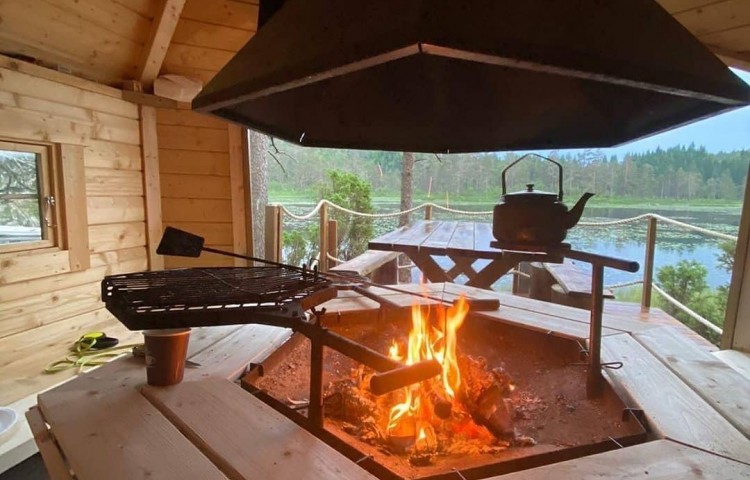
A well-designed BBQ and picnic area can become the heart of cabin life—where family and friends gather, meals are shared, and nature becomes part of every dining experience. Whether your cabin is nestled deep in the woods or beside a peaceful lake, creating a comfortable and functional outdoor cooking and dining space enhances both relaxation and enjoyment. This guide will walk you through everything from layout planning to essential features and safety considerations.
1. Choosing the Right Location
The first step in setting up your BBQ and picnic area is selecting the ideal spot. Choose a location that’s close enough to the cabin for convenience but far enough to keep smoke and cooking odors from entering living spaces. A flat, open area with natural shade from trees or a nearby pergola provides the perfect balance between comfort and safety.
Be sure to avoid placing your grill too close to flammable materials such as wood siding or dry vegetation. If possible, position your BBQ area to take advantage of scenic views—overlooking the forest, a lake, or a meadow adds atmosphere to every meal.
2. Designing the Layout
When planning your BBQ and picnic layout, think in terms of zones—each serving a specific purpose:
- Cooking Zone: This area includes your grill, prep table, and storage for tools and utensils.
- Dining Zone: A picnic table or outdoor dining set should be nearby but not too close to the smoke.
- Relaxation Zone: Add benches, hammocks, or Adirondack chairs for lounging after meals.
Maintaining smooth flow between these zones ensures safety and comfort while cooking and dining.
3. Selecting the Perfect Grill
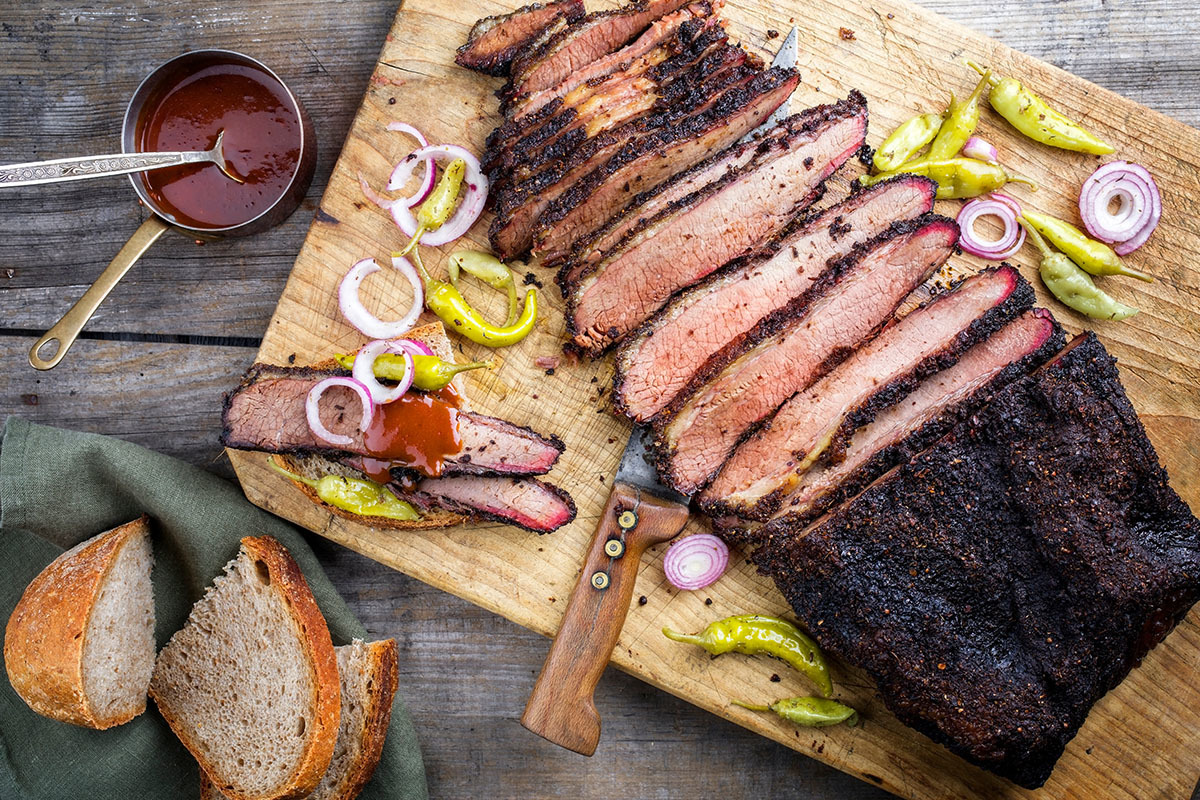
The centerpiece of any cabin BBQ setup is the grill. Choose one based on your cooking style, space, and maintenance preferences:
- Charcoal Grill: Ideal for smoky flavor enthusiasts; adds an authentic rustic feel but requires more cleanup.
- Gas Grill: Offers convenience and precise temperature control; perfect for quick outdoor meals.
- Smoker or Pellet Grill: Great for slow-cooked meats; suits cabins with frequent gatherings.
- Portable Grill: Ideal for smaller cabins or those who enjoy cooking closer to nature.
Whichever you choose, ensure it’s placed on a non-flammable surface like stone, concrete, or gravel, and that it’s stable enough to prevent tipping.
4. Building a Comfortable Picnic Area
Your picnic area should encourage people to linger and enjoy. Use durable outdoor furniture made from wood, metal, or weather-resistant rattan. Rustic wooden picnic tables blend beautifully with cabin aesthetics, while foldable benches or chairs allow for flexibility.
Add an umbrella or a canopy to provide shade during sunny days. If your cabin is in a region with unpredictable weather, consider a semi-covered pavilion or pergola to make your BBQ area usable year-round.
5. Lighting and Ambiance
Outdoor lighting is essential for evening meals and gatherings. String lights, lanterns, or solar path lights add a warm glow while improving visibility and safety. For a cozy touch, place LED candles or hanging mason jar lights around the dining area.
To keep the atmosphere inviting, use warm white light (2700–3000K) that complements the natural wood tones and avoids harsh brightness.
6. Practical Additions and Accessories
Enhance your BBQ and picnic experience with practical accessories:
- Outdoor Prep Station: A small counter or table for food prep and plating.
- Storage Cabinet: For keeping utensils, charcoal, and seasonings safe from moisture.
- Trash and Recycling Bins: Keep the area tidy and environmentally friendly.
- Cooler or Outdoor Mini-Fridge: Ideal for drinks and perishable items.
- Fire Pit: Adds warmth and ambiance after sunset; perfect for roasting marshmallows.
7. Safety Considerations
Safety is crucial when cooking outdoors. Always keep a fire extinguisher or a bucket of sand nearby. Avoid grilling under low-hanging branches or roofs, and never leave the grill unattended while in use. Check local regulations regarding open flames or fire bans, especially in wooded areas.
After cooking, ensure the grill and coals are fully extinguished. For extra protection, consider placing a non-slip mat or heat-resistant tile under your grill.
8. Natural Décor and Finishing Touches
Blend your BBQ and picnic area with the cabin’s natural surroundings by using natural materials and textures. Wooden beams, stone pathways, and potted plants add charm and cohesion. You can also incorporate wildflower planters, rustic lanterns, or reclaimed wood signs to personalize the space.
For extra comfort, add outdoor cushions and throws in earthy tones. Choose fabrics that are weather-resistant and easy to clean.
9. Sustainable and Eco-Friendly Choices
Eco-conscious design can make your BBQ and picnic area both stylish and responsible. Use solar-powered lights, reusable utensils, and bamboo plates instead of disposable plastic. Choose natural cleaning products that won’t harm nearby plants or water sources.
When possible, source local firewood and sustainable charcoal to reduce environmental impact.
Final Thoughts
Setting up a cabin BBQ and picnic area is about more than just cooking—it’s about creating a space for connection, laughter, and lasting memories. With careful planning and thoughtful design, your outdoor dining area can reflect both your love for nature and your desire for comfort.
Whether it’s a summer evening barbecue, a cozy autumn picnic, or a starlit dinner with family, your cabin’s outdoor setup can become one of the most cherished parts of your retreat life.
Popular Articles
-
Home & Repair
 5 Practical Tips to Prevent Dampness & Mold in Your CabinA cozy cabin can quickly become unpleasant if damp and mold take hold. These five practical tips help keep humidity under control and protect wood, finishes, and indoor air quality.
 -
Home & Repair
Spring Cabin Care: Window Cleaning, Roof Check & Yard Refresh TipsSpring is the perfect time to give your cabin a fresh start after the long winter. With a few simple maintenance tasks, you can brighten your living space, protect your structure, and make your outdoor area ready for warmer days. Here are some essential spring cleaning and maintenance tips for your cabin.
-
Home & Repair
Wood Cabin Maintenance Guide: Smart Tips to Extend the Life of Your TimberA wooden cabin has natural warmth and charm, but wood requires regular care to stay strong and beautiful. Proper maintenance helps prevent decay, cracks, and insect damage while keeping your cabin looking timeless. Here are some smart tips to extend the lifespan of your wooden structure.