Cabin Furniture Arrangement: Tips for Creating a Cozy and Functional Space
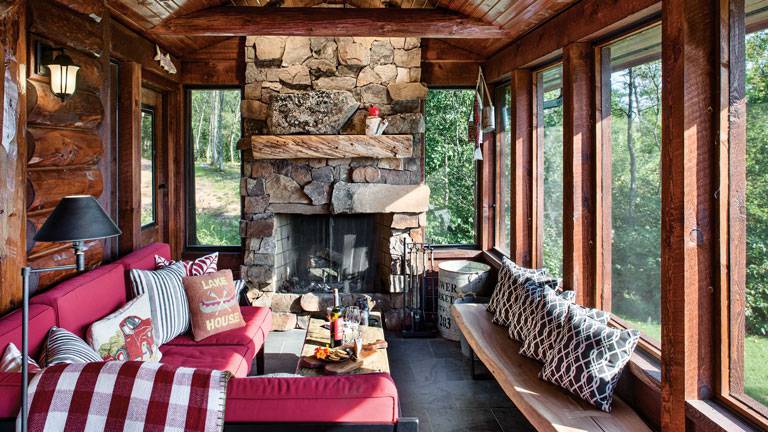
Arranging furniture in a small cabin is both an art and a practical challenge. Limited square footage requires thoughtful planning to ensure the space feels open, functional, and inviting. By using strategic placement, multifunctional pieces, and mindful design principles, you can create a cabin interior that maximizes comfort without sacrificing style.
Start with a Floor Plan
Before moving any furniture, it’s important to plan the layout. Sketch a floor plan or use digital tools to visualize where each piece will go. Consider the natural flow of traffic, access to windows and doors, and the function of each area. Identifying focal points, such as a fireplace, a window with a view, or a dining area, helps anchor the arrangement and gives the space a sense of purpose.
In small cabins, creating distinct zones for living, dining, and sleeping is crucial. Use rugs, furniture orientation, or partial dividers to define spaces without overcrowding. Planning ahead avoids clutter and ensures each item contributes to comfort and functionality.
Prioritize Multi-Functional Furniture
Multi-functional furniture is essential in compact cabins. Consider sofas with storage underneath, coffee tables that can double as dining surfaces, and fold-out beds or tables that can be tucked away when not in use. Benches with hidden storage or ottomans that serve as seats and containers allow you to store blankets, books, or seasonal items without taking up extra space.
Choosing pieces that serve more than one purpose reduces the number of items needed, keeping the cabin uncluttered and versatile for different activities, from hosting guests to cozying up for a quiet evening.
Maximize Vertical Space
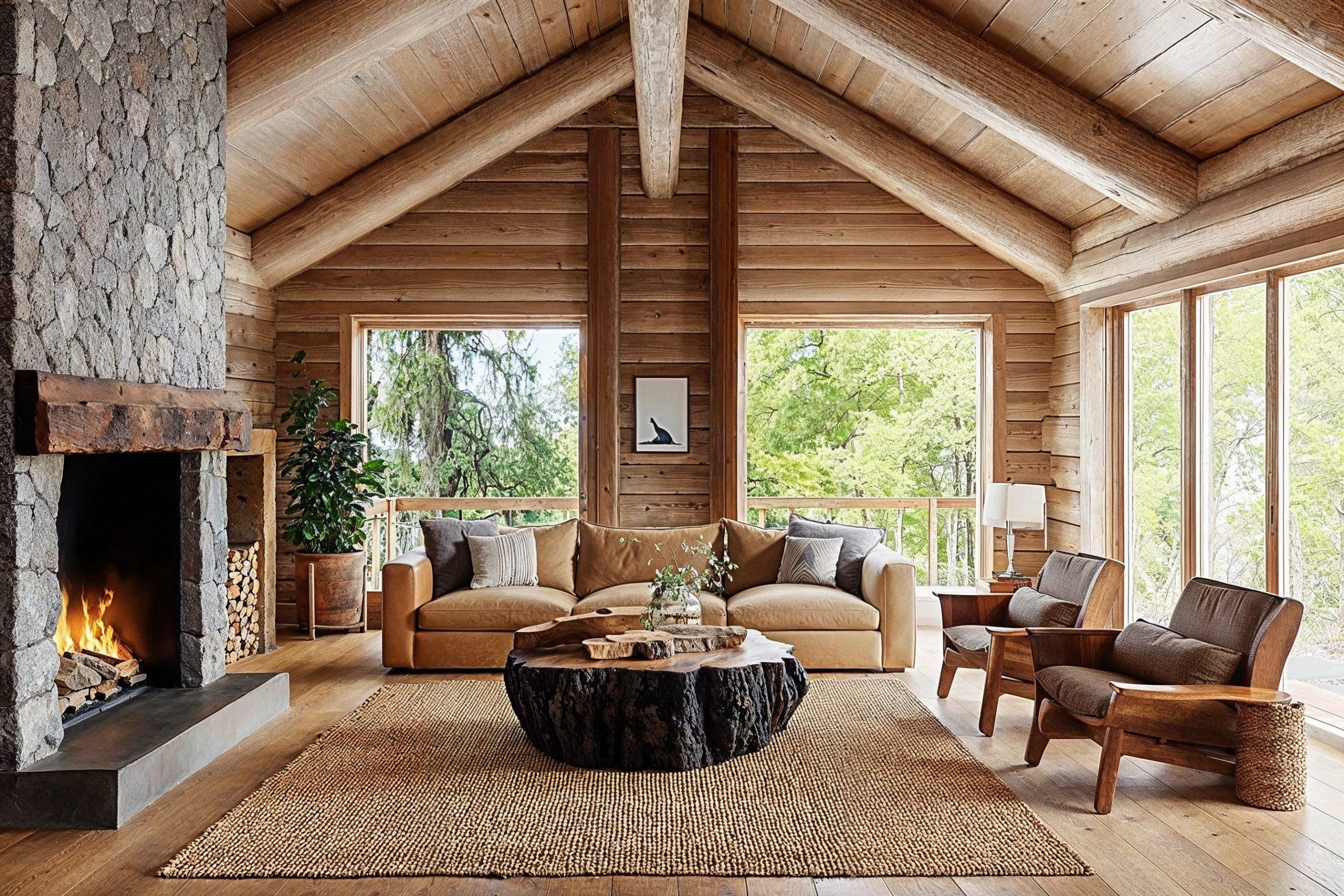
Vertical storage solutions are vital in a small cabin. Tall bookshelves, wall-mounted cabinets, and hanging racks utilize walls efficiently, freeing up floor space for movement. In kitchens, consider hanging pots and utensils from racks or hooks to keep counters clear. In bedrooms, shelves above beds or doors provide storage for books, décor, or personal items.
Lofted areas or raised beds are also a smart way to increase usable space. The area beneath a loft can accommodate storage, a desk, or a cozy sitting nook, making the cabin feel more spacious without sacrificing comfort.
Consider Traffic Flow
Maintaining clear pathways is crucial in a cabin where space is limited. Avoid blocking windows, doors, and hallways with furniture. Arrange seating to encourage social interaction while keeping movement easy and intuitive. In small living rooms, angle chairs slightly or use smaller-scale furniture to maintain openness.
Think about how you enter and exit rooms, access storage, and move between zones. Strategic placement ensures the cabin remains practical and prevents the space from feeling cramped or awkward.
Emphasize Natural Light and Views
Cabins often offer beautiful views and abundant natural light, which should be incorporated into furniture placement. Avoid blocking windows with large furniture. Instead, orient seating areas toward scenic views or natural light sources. Mirrors can also enhance the sense of openness by reflecting light and creating visual depth.
Keeping the interior bright and airy enhances the feeling of space, while carefully chosen window treatments provide privacy without sacrificing daylight.
Create Cozy Corners
Even in a minimalist layout, it’s important to include cozy nooks where you can relax or read. A small armchair by a window, a cushioned bench along a wall, or a corner with layered rugs and pillows can make the cabin feel warm and inviting. These intimate spaces make a cabin more livable and allow residents to enjoy quiet moments amidst the natural surroundings.
Consider lighting these areas with floor lamps, table lamps, or wall-mounted sconces to enhance the ambiance without occupying much space.
Use Scale and Proportion Wisely
Choosing furniture that fits the scale of your cabin is critical. Oversized sofas or tables can overwhelm a small room, making it feel cramped. Opt for compact, modular, or lightweight pieces that are easy to move and reconfigure as needed. Low-profile furniture keeps sightlines open and creates an airy, spacious feel.
Maintaining balance between furniture size and room dimensions ensures comfort, functionality, and visual harmony, preventing the cabin from feeling cluttered or cramped.
Incorporate Storage as Part of the Design
Storage should be integrated into furniture and the overall layout. Wall-mounted shelves, built-in cabinets, and under-bed drawers keep belongings organized while complementing the cabin’s aesthetic. Open shelving can display decorative items, books, or plants, adding personality without crowding surfaces.
Storage solutions that blend seamlessly with the furniture and architecture make the cabin feel cohesive and uncluttered, enhancing both functionality and style.
Conclusion
Arranging furniture in a small cabin requires careful planning, attention to scale, and strategic use of multifunctional pieces. By prioritizing traffic flow, maximizing vertical space, and emphasizing natural light and cozy corners, you can create a cabin that feels open, comfortable, and inviting. Thoughtful furniture placement transforms a compact cabin into a functional, stylish, and serene retreat where every inch of space serves a purpose, and simplicity meets charm.
Popular Articles
-
Home & Repair
 5 Practical Tips to Prevent Dampness & Mold in Your CabinA cozy cabin can quickly become unpleasant if damp and mold take hold. These five practical tips help keep humidity under control and protect wood, finishes, and indoor air quality.
 -
Home & Repair
Spring Cabin Care: Window Cleaning, Roof Check & Yard Refresh TipsSpring is the perfect time to give your cabin a fresh start after the long winter. With a few simple maintenance tasks, you can brighten your living space, protect your structure, and make your outdoor area ready for warmer days. Here are some essential spring cleaning and maintenance tips for your cabin.
-
Home & Repair
Wood Cabin Maintenance Guide: Smart Tips to Extend the Life of Your TimberA wooden cabin has natural warmth and charm, but wood requires regular care to stay strong and beautiful. Proper maintenance helps prevent decay, cracks, and insect damage while keeping your cabin looking timeless. Here are some smart tips to extend the lifespan of your wooden structure.