Cabin Garden Ideas: Wildflowers, Herbs, and Vegetables
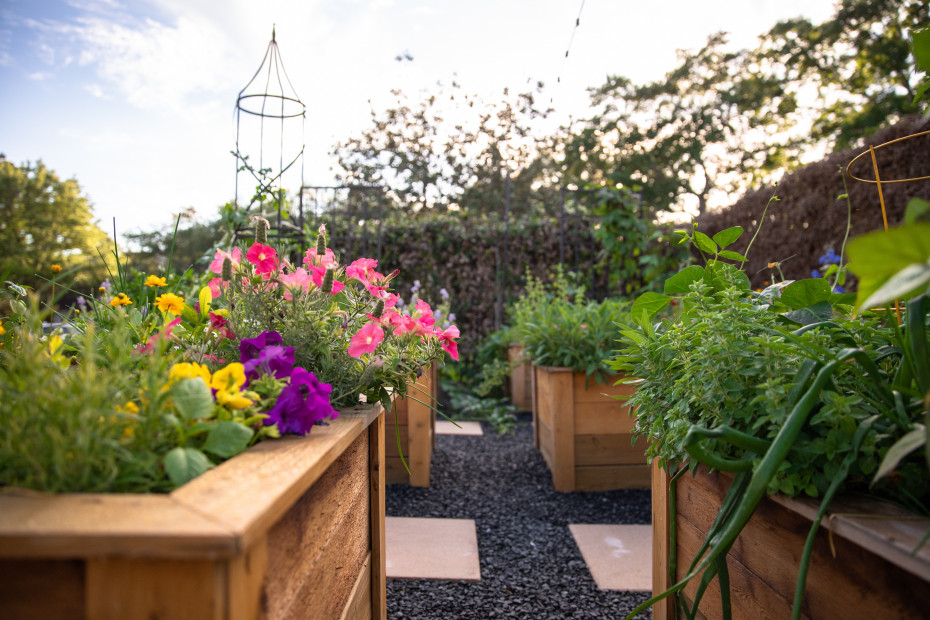
A cabin garden isn’t just a patch of soil beside your retreat—it’s an expression of harmony between rustic living and nature. Whether your cabin is nestled deep in the woods or perched on a mountain ridge, creating a small garden filled with wildflowers, herbs, and vegetables brings color, fragrance, and flavor to your off-grid lifestyle.
Below are practical and inspiring ideas to design a cabin garden that thrives with natural beauty and purpose.
1. Embrace the Wild with Native Wildflowers
Wildflowers are the soul of a cabin garden. They blend effortlessly into the natural landscape, requiring little maintenance while attracting bees, butterflies, and hummingbirds.
Choose native species that thrive in your region—black-eyed Susans, coneflowers, lupines, and wild daisies are classic choices across many temperate zones. Plant them in clusters to mimic nature’s own design, creating a vibrant tapestry that changes with the seasons.
A wildflower garden doesn’t have to look unkempt. Define soft borders with rustic wooden logs or let blooms spill naturally around stone paths. Both approaches feel organic and alive.
2. Cultivate an Herb Corner Near the Cabin
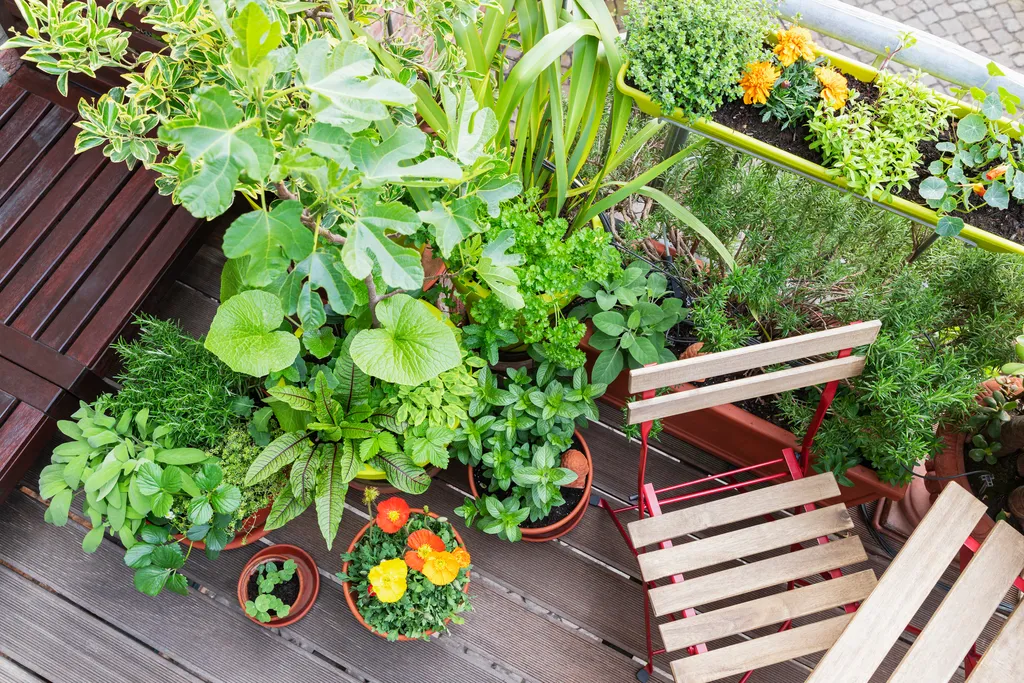
Few things feel more satisfying than stepping outside your cabin to pick fresh herbs for cooking or tea. A small herb garden can flourish in even compact spaces—raised beds, window boxes, or terracotta pots by the porch.
Start with hardy, multi-use herbs such as rosemary, thyme, mint, oregano, and basil. These aromatic plants add fragrance to your outdoor space and flavor to your meals.
For a rustic touch, mix herbs with companion flowers like lavender or chamomile. They attract pollinators and lend your garden a soothing, country-style aesthetic.
Tip: Label your herbs with hand-painted wooden signs to add a cozy, personal touch.
3. Grow Vegetables That Thrive in Your Climate
If space allows, dedicate a sunny patch to vegetables. Cabin gardens can produce a surprising bounty with minimal effort when planted with climate-appropriate choices.
Begin with easy-to-grow options such as tomatoes, zucchini, lettuce, beans, and carrots. These vegetables adapt well to different climates and mature fairly quickly—ideal for seasonal cabins.
Consider raised beds or vertical planters to maximize limited space. Mulch generously to retain moisture and keep weeds under control, especially in dry or windy locations. For off-grid living, vegetable gardening reduces reliance on store-bought produce and helps you live closer to nature’s rhythm.
4. Design with Natural Materials
Keep the spirit of cabin living alive by using natural and reclaimed materials in your garden design. Create pathways from river stones or reclaimed bricks. Build raised beds with logs or untreated wood. Add a bench or birdbath made of rough-hewn timber.
These details blend with your cabin’s aesthetic and reinforce a simple, durable approach to outdoor living.
5. Invite Wildlife and Pollinators
A successful cabin garden feels like part of the wilderness. Encourage biodiversity by adding birdhouses, bee hotels, and shallow water basins for butterflies and small creatures.
Avoid pesticides whenever possible. Use natural pest control—ladybugs, beneficial insects, companion planting, and nutrient-rich compost will keep your garden healthy the eco-friendly way.
6. Let the Seasons Lead the Way
One of the joys of cabin gardening is watching nature’s changes up close. In spring, wildflowers bloom and herbs awaken. Summer brings lush vegetables and full fragrance. Autumn turns everything golden, while winter invites rest and planning for next year’s garden dreams.
Accepting the ebb and flow of the seasons makes cabin gardening not just a hobby but a mindful, grounding practice.
Final Thoughts
A cabin garden filled with wildflowers, herbs, and vegetables is more than decoration—it reflects simple living, sustainability, and self-sufficiency. Each seed you plant ties you closer to the land and the rhythms of nature.
Whether you’re planting a meadow of wildflowers or a modest herb patch by the porch, let your garden tell the story of your cabin life—rooted, beautiful, and free.
Popular Articles
-
Home & Repair
 5 Practical Tips to Prevent Dampness & Mold in Your CabinA cozy cabin can quickly become unpleasant if damp and mold take hold. These five practical tips help keep humidity under control and protect wood, finishes, and indoor air quality.
 -
Home & Repair
Spring Cabin Care: Window Cleaning, Roof Check & Yard Refresh TipsSpring is the perfect time to give your cabin a fresh start after the long winter. With a few simple maintenance tasks, you can brighten your living space, protect your structure, and make your outdoor area ready for warmer days. Here are some essential spring cleaning and maintenance tips for your cabin.
-
Home & Repair
Wood Cabin Maintenance Guide: Smart Tips to Extend the Life of Your TimberA wooden cabin has natural warmth and charm, but wood requires regular care to stay strong and beautiful. Proper maintenance helps prevent decay, cracks, and insect damage while keeping your cabin looking timeless. Here are some smart tips to extend the lifespan of your wooden structure.