Cabin Outdoor Furniture DIY Projects
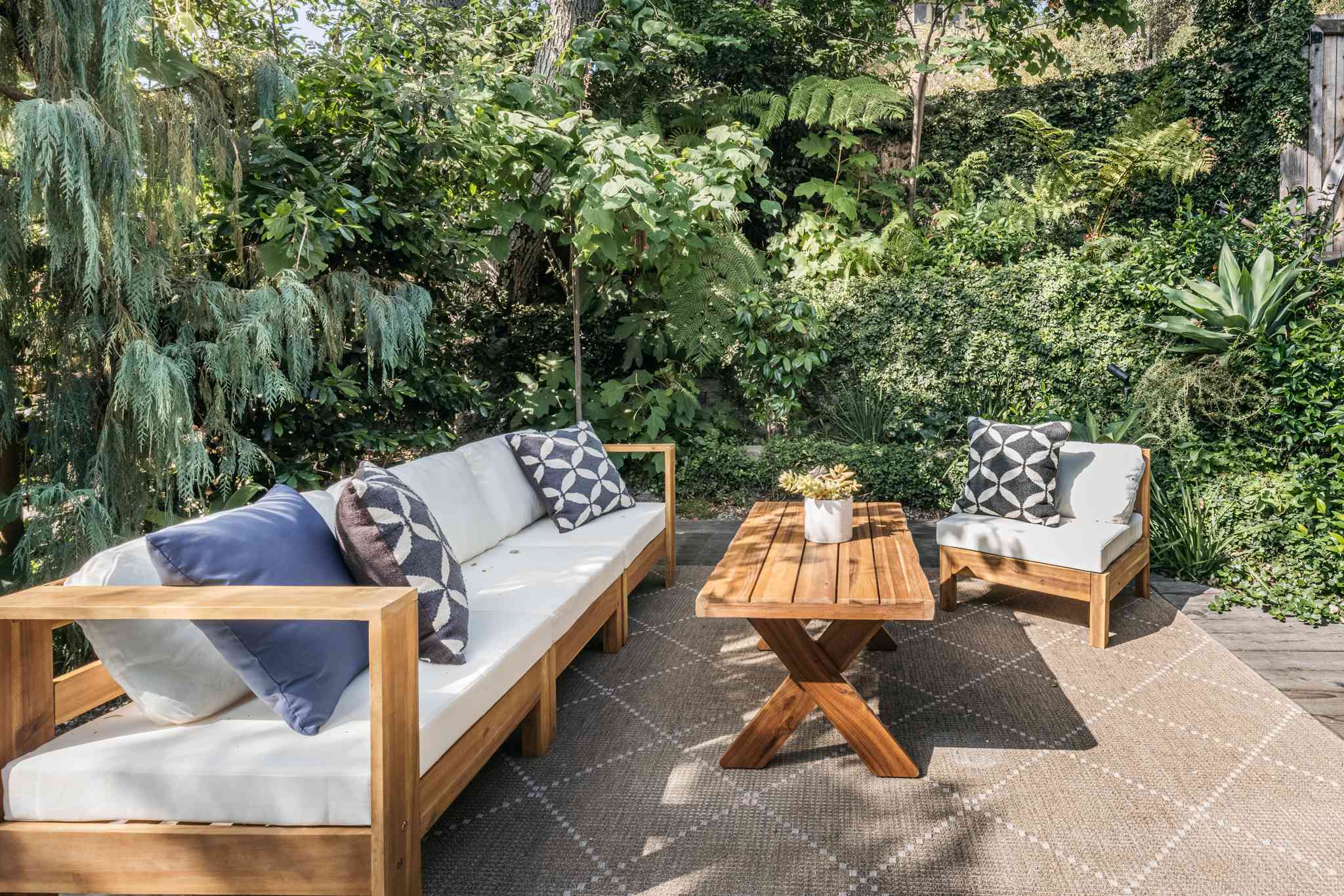
Creating your own outdoor furniture for a cabin is one of the most rewarding ways to blend craftsmanship, comfort, and rustic charm. Whether you want to build a cozy seating area, a sturdy picnic table, or a swing under the pines, DIY outdoor furniture projects allow you to express creativity while staying close to nature. With simple tools, natural materials, and a bit of patience, you can craft durable pieces that perfectly match your cabin’s atmosphere.
1. Rustic Log Benches and Stools
Nothing complements a cabin porch or garden better than furniture made from natural logs. A rustic log bench is one of the easiest projects to start with. Choose seasoned logs or reclaimed wood to prevent cracking. Use a chainsaw or handsaw to cut even lengths for legs and seats, then sand the surfaces smooth. Leaving the bark on can enhance the natural look and protect the wood.
Shorter logs can also be turned into stools or small side tables. They’re ideal for outdoor gatherings and can double as plant stands. For a touch of comfort, add weather-resistant cushions covered with canvas or burlap.
2. DIY Pallet Lounge Chairs
Wood pallets are a cost-effective and eco-friendly material for building outdoor furniture. With just a few pallets, screws, and paint or stain, you can create a DIY pallet lounge chair that’s perfect for relaxing after a day of hiking or fishing.
To build, stack two pallets horizontally for the seat base and use a third one as a reclining backrest. Sand thoroughly to remove splinters, then paint or stain to your preferred shade—earth tones and natural finishes blend beautifully with cabin surroundings.
Complete the chair with thick outdoor cushions or a soft throw blanket. You can also add small wheels to the back legs for easy repositioning around the deck or patio.
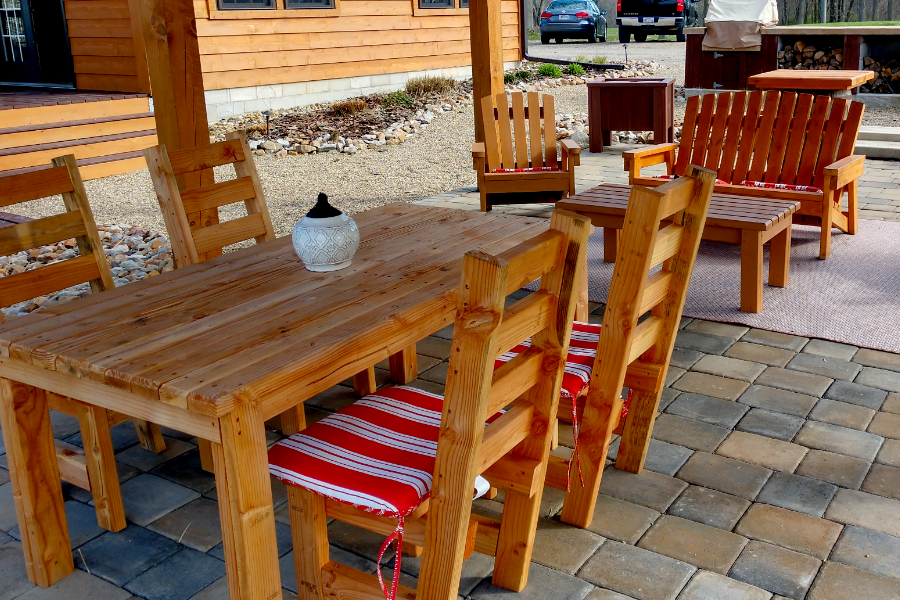
3. Handmade Wooden Picnic Table
A picnic table is the centerpiece of any cabin outdoor space. Building your own gives you control over size, shape, and style. For a traditional look, use pressure-treated pine or cedar to resist weather damage.
Start with a rectangular top supported by sturdy A-frame legs. Add attached benches or separate seating if you prefer flexibility. Apply an outdoor sealant to protect against moisture and sun exposure. For a rustic feel, you can leave tool marks visible and choose a matte finish rather than glossy varnish.
Pair the table with solar-powered lanterns or mason-jar lights for a warm evening glow during summer dinners outdoors.
4. Tree Stump Coffee Table
Transform an old tree stump into a charming coffee table that fits naturally into your cabin setting. Choose a stump that’s solid, flat, and well-dried. Sand the surface until smooth, then coat it with a protective layer of outdoor polyurethane or linseed oil.
You can add metal or wooden legs to adjust height or leave it as is for a low, rustic table. It pairs perfectly with log chairs, hammocks, or as a centerpiece between two Adirondack chairs.
5. Rope and Wood Swing
Few DIY projects bring as much joy as a simple wooden swing hung from a sturdy tree branch. Use a thick wooden plank as the seat—oak or cedar works well—and drill holes at both ends for strong, weather-resistant rope.
Secure the swing to a stable branch using heavy-duty knots or metal eye bolts. Test the weight capacity before use and add a soft cushion for comfort. A handmade swing adds instant nostalgia and becomes a favorite spot for relaxation or reading outdoors.
6. Foldable Campfire Chairs
If you enjoy evenings by the campfire, build a few foldable wooden chairs that are easy to move and store. These can be made using simple slats and bolts, following traditional “Canadian chair” or “Adirondack folding” designs.
Paint or stain the wood with waterproof outdoor coatings to enhance durability. These chairs look right at home around a fire pit or beside a lakeside dock, offering both portability and style.
7. Maintenance Tips for Outdoor DIY Furniture
Even the best-built furniture needs care to withstand the elements. Regularly inspect your pieces for cracks, fading, or loose joints. Apply a fresh coat of outdoor sealant or oil annually, especially before winter. Store cushions and fabric covers indoors when not in use to prevent mildew and fading.
Whenever possible, use eco-friendly finishes and locally sourced wood to minimize environmental impact while maintaining your cabin’s authentic, natural feel.
Final Thoughts
Building your own outdoor furniture for a cabin is not just a way to save money—it’s a way to create meaningful spaces that reflect your connection to nature. Every bench, chair, and table carries your personal touch and tells a story of hands-on creativity.
Whether you’re designing a full deck setup or a single tree-swing corner, these DIY projects invite you to slow down, craft with care, and enjoy the peaceful rhythm of cabin life outdoors.
Popular Articles
-
Home & Repair
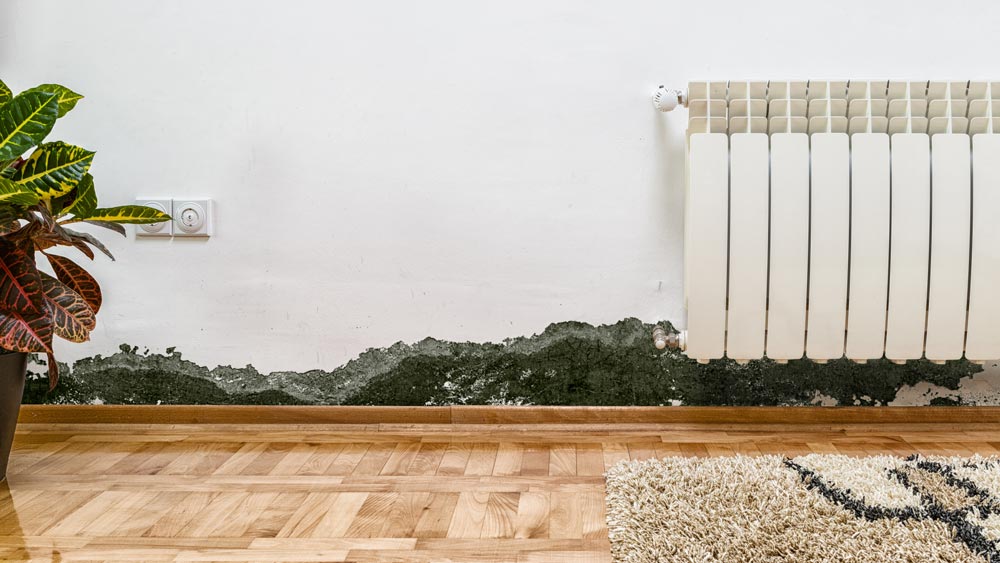
 5 Practical Tips to Prevent Dampness & Mold in Your CabinA cozy cabin can quickly become unpleasant if damp and mold take hold. These five practical tips help keep humidity under control and protect wood, finishes, and indoor air quality.
 -
Home & Repair
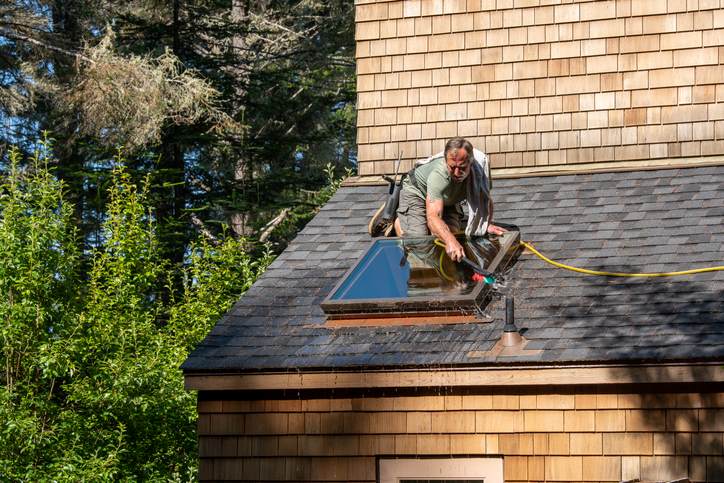
Spring Cabin Care: Window Cleaning, Roof Check & Yard Refresh TipsSpring is the perfect time to give your cabin a fresh start after the long winter. With a few simple maintenance tasks, you can brighten your living space, protect your structure, and make your outdoor area ready for warmer days. Here are some essential spring cleaning and maintenance tips for your cabin.
-
Home & Repair
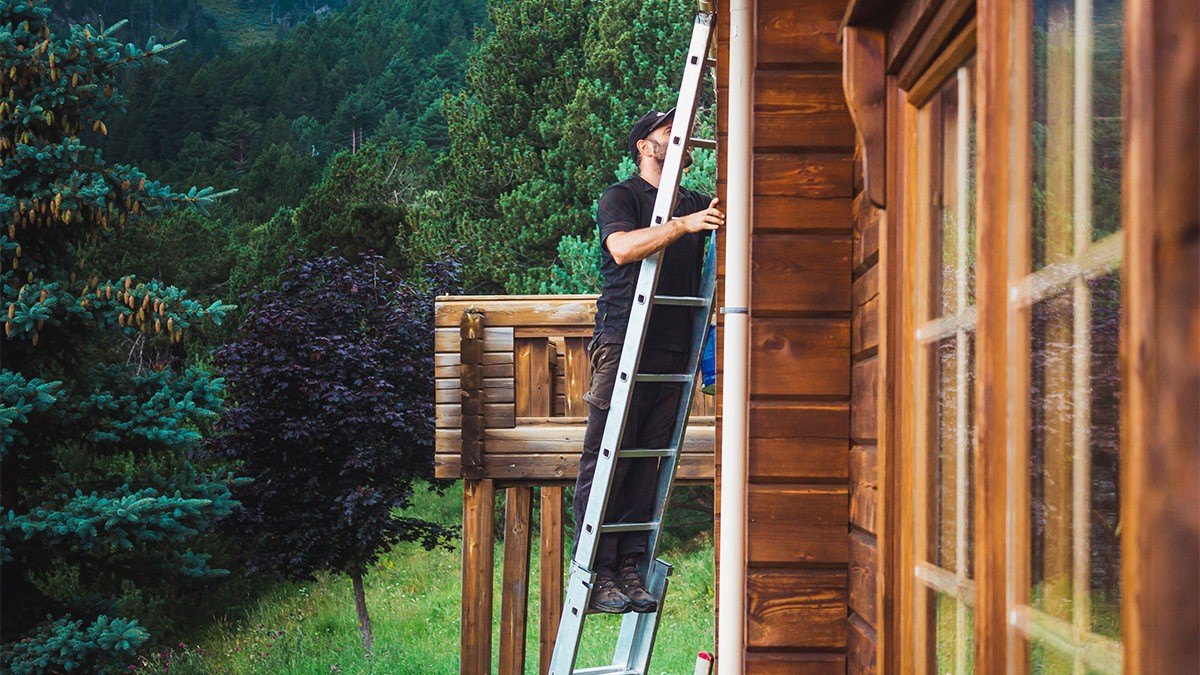
Wood Cabin Maintenance Guide: Smart Tips to Extend the Life of Your TimberA wooden cabin has natural warmth and charm, but wood requires regular care to stay strong and beautiful. Proper maintenance helps prevent decay, cracks, and insect damage while keeping your cabin looking timeless. Here are some smart tips to extend the lifespan of your wooden structure.