Embracing Minimalism: Enjoying Simple Living in a Cabin
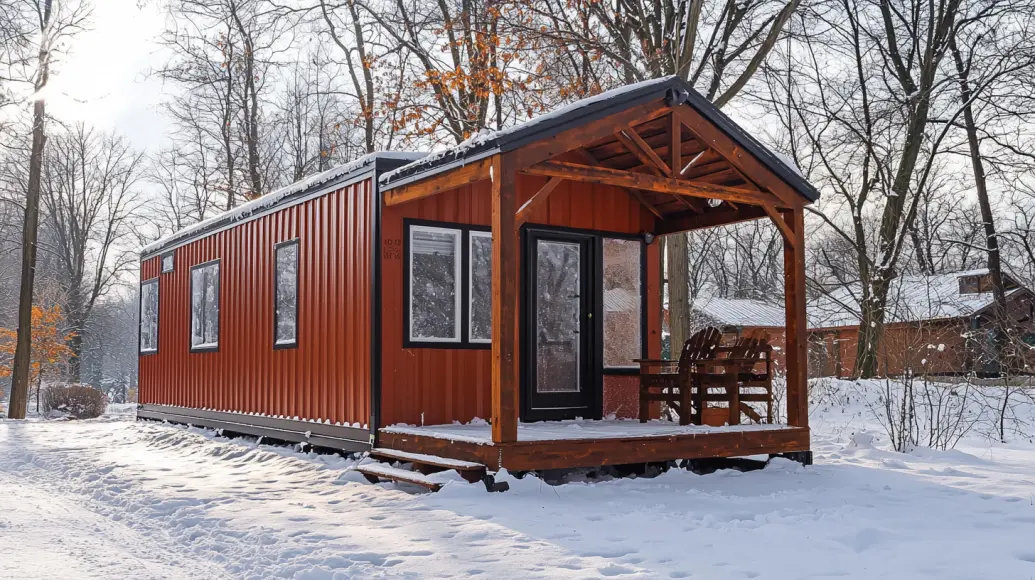
In today’s fast-paced and cluttered world, more people are seeking refuge in nature, retreating to cozy cabins to find balance and peace. Minimalism is not just a trend in interior design—it’s a lifestyle choice that emphasizes simplicity, functionality, and mindful living. By embracing minimalism in a cabin, you can create a space that encourages relaxation, focus, and genuine connection with your surroundings.
The Core Principles of Minimalist Cabin Design
Minimalist cabin design is guided by the principle of “less is more.” Every item in the cabin should serve a purpose, whether functional or aesthetic. Clean lines, neutral colors, and natural materials create a calming atmosphere that reduces visual clutter. Wood, stone, linen, and other organic elements are commonly used to connect the indoor environment with nature, making the cabin feel warm, inviting, and harmonious with its surroundings.
Neutral color palettes—shades of white, beige, gray, and muted earth tones—enhance the sense of spaciousness and calm. Avoiding overly bright or contrasting colors ensures the space remains restful, while occasional accents in soft greens, blues, or warm wood tones provide visual interest without overwhelming the senses.
Effective Space Planning in a Small Cabin
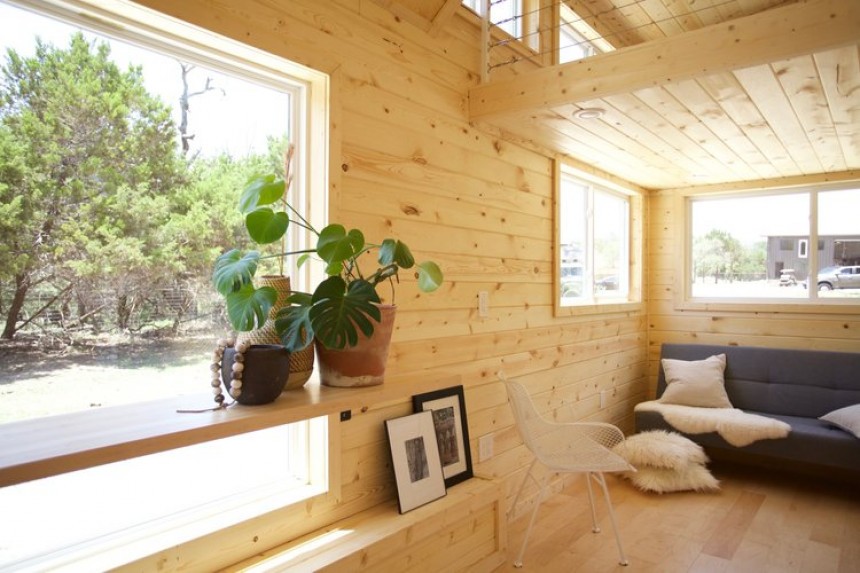
Space planning is essential in a small cabin, where every square foot matters. Minimalist design encourages open layouts that allow light and air to flow freely. Multi-functional furniture, such as fold-out tables, storage beds, or benches with hidden compartments, maximizes functionality without cluttering the space.
Consider wall-mounted storage solutions and shelves that keep items off the floor, preserving an airy feeling. Open shelving for books or decor items can maintain simplicity while offering personal touches. In small cabins, even minor adjustments, such as keeping pathways clear and grouping furniture logically, can greatly improve comfort and usability.
Creating a Peaceful Living Environment
Minimalism in a cabin extends beyond physical design; it also encompasses lifestyle choices. Reducing clutter and unnecessary possessions helps maintain mental clarity. Limit electronic distractions by designating a small media area or using devices only when necessary. This encourages residents to engage with nature, read, meditate, or spend quality time with family and friends.
Lighting plays a key role in creating a peaceful atmosphere. Natural light from windows and skylights should be maximized, while warm, soft artificial lighting adds comfort in the evenings. Lamps with adjustable brightness allow you to create the perfect mood for reading, cooking, or relaxing. Simple textiles, such as linen curtains or wool throws, contribute to a sense of coziness and calm.
Integrating Nature Into Cabin Life
One of the greatest benefits of cabin living is the proximity to nature. Minimalist cabins embrace this by blurring the line between indoors and outdoors. Large windows, sliding doors, or small patios allow residents to enjoy scenic views while maintaining indoor comfort. Small indoor plants or herb gardens can bring a touch of greenery inside, improving air quality and creating a stronger connection with the natural environment.
Outdoor spaces, even compact ones, can be integrated thoughtfully. A small deck or balcony with a simple seating area can serve as an extension of the living space. Natural landscaping, including native plants, rocks, or a tiny water feature, complements the minimalist aesthetic and enhances the cabin’s serene ambiance.
Mindful Living and Mental Benefits
Minimalism encourages mindfulness. In a cabin setting, this means being intentional with how you spend your time and use your space. Fewer distractions allow for deeper reflection and a stronger connection with your surroundings. Daily routines can become rituals of calm, such as brewing tea in the morning while watching the sunrise, reading a book in a quiet corner, or meditating with the sounds of nature in the background.
Reducing clutter also has psychological benefits. Studies show that a clean and organized environment can decrease stress, improve focus, and enhance overall well-being. Minimalist living fosters a sense of control and simplicity, which is especially refreshing in a world full of constant notifications and consumer pressures.
Sustainable and Eco-Friendly Practices
Minimalist cabin living naturally aligns with sustainable practices. Using fewer materials, selecting eco-friendly finishes, and choosing energy-efficient appliances reduce your environmental impact. Reclaimed wood, natural stone, and non-toxic paints or stains are excellent choices for cabin interiors. Solar panels, rainwater collection systems, and composting can further support a sustainable lifestyle while maintaining the minimalist philosophy of simplicity and purpose.
Conclusion
Embracing minimalism in a cabin is about more than just a design aesthetic—it is a lifestyle that encourages clarity, mindfulness, and a deeper connection with nature. By thoughtfully planning space, integrating natural elements, and focusing on essentials, you can create a tranquil retreat that nourishes both the body and mind. In a minimalist cabin, happiness comes not from material excess, but from simplicity, comfort, and the joy of living in harmony with your surroundings.
Popular Articles
-
Home & Repair
 5 Practical Tips to Prevent Dampness & Mold in Your CabinA cozy cabin can quickly become unpleasant if damp and mold take hold. These five practical tips help keep humidity under control and protect wood, finishes, and indoor air quality.
 -
Home & Repair
Spring Cabin Care: Window Cleaning, Roof Check & Yard Refresh TipsSpring is the perfect time to give your cabin a fresh start after the long winter. With a few simple maintenance tasks, you can brighten your living space, protect your structure, and make your outdoor area ready for warmer days. Here are some essential spring cleaning and maintenance tips for your cabin.
-
Home & Repair
Wood Cabin Maintenance Guide: Smart Tips to Extend the Life of Your TimberA wooden cabin has natural warmth and charm, but wood requires regular care to stay strong and beautiful. Proper maintenance helps prevent decay, cracks, and insect damage while keeping your cabin looking timeless. Here are some smart tips to extend the lifespan of your wooden structure.