Seasonal Cabin Checklist: Preparing Your Cabin for Every Season
Owning a cabin comes with the joy of escaping into nature, but it also requires thoughtful seasonal preparation. Each season brings unique challenges and opportunities, and a well-planned checklist ensures your cabin remains safe, comfortable, and ready for relaxation throughout the year. From winter insulation to summer ventilation, seasonal maintenance is essential for preserving your investment and enjoying stress-free getaways.
Spring: Refresh and Repair
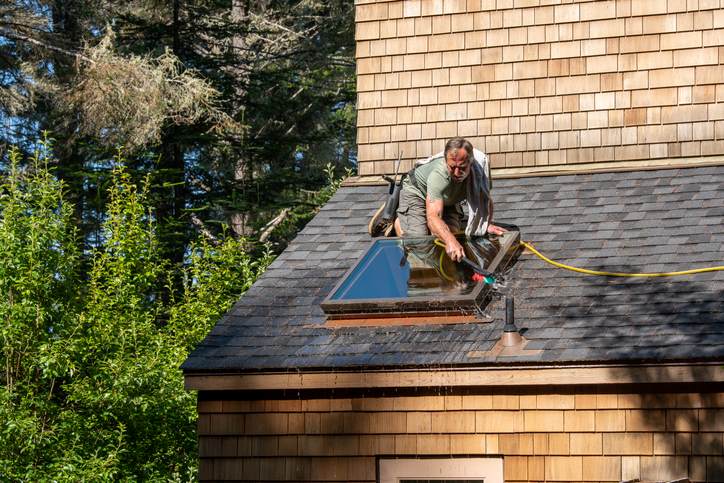
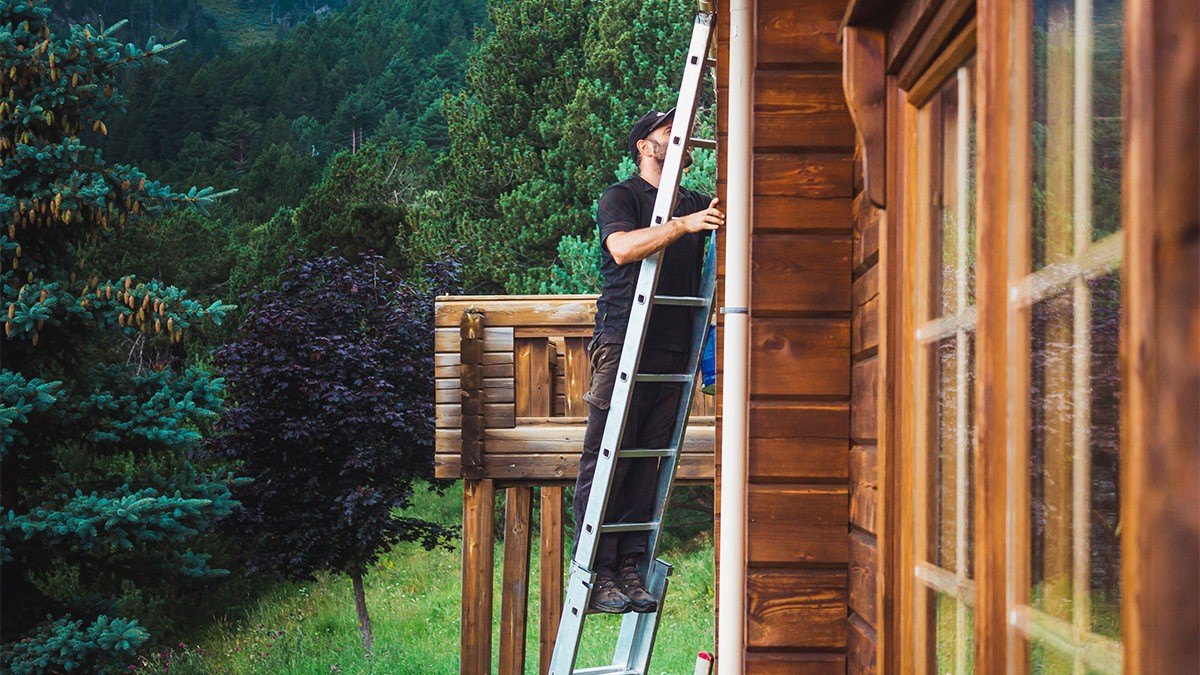
Spring is the perfect time to wake your cabin from its winter slumber. Start by inspecting the roof, gutters, and drainage systems to clear away debris and prevent water damage from spring rains. Check the foundation and exterior walls for cracks or signs of moisture intrusion. This is also a good time to examine windows and doors, ensuring seals are intact and no drafts are present.
Inside, deep clean your cabin to remove dust and mold that may have accumulated over winter. Inspect appliances, plumbing, and electrical systems to confirm everything is functioning properly. Replenish household essentials, and consider updating linens or cushions for a fresh seasonal touch. If you have a fireplace or wood stove, clean the chimney and test the heating system to be prepared for any late-season chills.
Summer: Ventilation and Outdoor Maintenance
Summer brings warm weather, longer days, and more outdoor activities. Ensure proper ventilation in the cabin to keep indoor temperatures comfortable. Fans, open windows, or ceiling ventilation can help reduce heat and humidity.
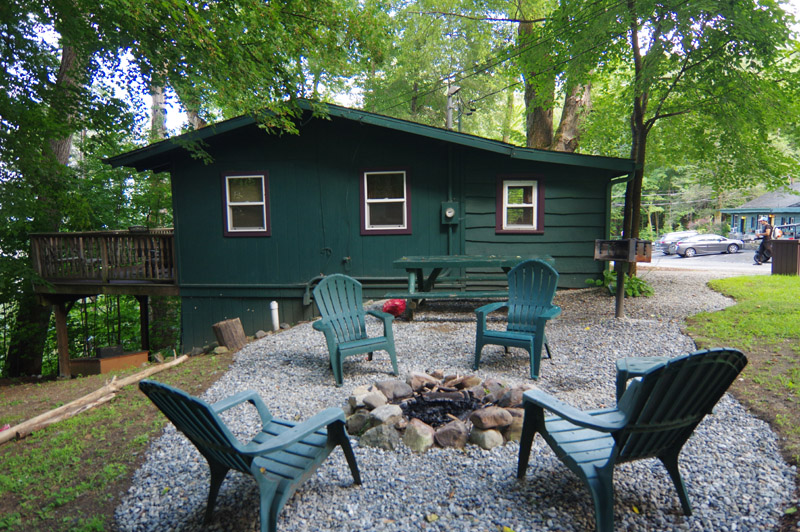
Pay special attention to outdoor areas. Inspect decks, patios, and stairs for stability and signs of wear. Trim trees and shrubs to maintain clear pathways and reduce fire hazards. Check and maintain outdoor furniture, grills, and cooking areas for safety and functionality. Pest control is also crucial during summer—inspect for signs of insects, rodents, or nesting birds and take preventive measures as needed.
For cabins near water bodies, inspect docks, boat storage, and nearby landscaping. Summer is also ideal for painting touch-ups or sealing exterior wood surfaces to protect against sun and rain damage. Consider adding shade structures or awnings to enhance outdoor comfort.
Autumn: Preparing for Cold Weather
Autumn is the transition period before winter, making it critical to prepare your cabin for colder months. Start with gutter and roof inspections, removing fallen leaves and debris to prevent water accumulation. Check insulation in walls, attics, and floors to ensure your cabin will stay warm during winter.
Inspect heating systems, fireplaces, and wood stoves, making sure chimneys are clean and operational. Stock up on firewood or other heating fuel in advance. Examine plumbing for leaks and insulate exposed pipes to prevent freezing. If your cabin has a well or water pump, winterize systems to avoid damage from cold temperatures.
Autumn is also an excellent time to service outdoor equipment, such as lawnmowers, gardening tools, or grills, so they are ready for next spring. Prepare your cabin’s interior by rotating seasonal textiles, checking bedding, and storing summer gear properly.
Winter: Protection and Comfort
Winter requires focused attention to keep your cabin safe and comfortable. Ensure heating systems are functioning efficiently and consider backup options like portable heaters in case of power outages. Keep snow removal tools accessible for driveways, pathways, and roofs.
Prevent ice dams and roof damage by monitoring snow accumulation and maintaining proper insulation and ventilation. Check doors and windows for drafts, adding weather stripping if necessary. Maintain a supply of essentials, including food, water, and first aid supplies, in case travel becomes difficult due to weather.
For cabins that are not occupied full-time, winter maintenance includes periodic inspections to detect leaks, frozen pipes, or potential damage. If possible, visit the cabin regularly or arrange for a caretaker to check on the property. Interior lighting, fire alarms, and carbon monoxide detectors should be tested for optimal safety during the long winter months.
General Seasonal Tips
- Keep a master checklist for each season and update it annually.
- Document maintenance tasks and repairs to track recurring issues.
- Use environmentally friendly cleaning and maintenance products to protect the surrounding nature.
- Invest in quality tools and storage solutions to make seasonal preparation easier and more efficient.
- Consider sustainable upgrades, such as solar lighting, rainwater collection, or energy-efficient heating, to reduce long-term costs and environmental impact.
Conclusion
Preparing your cabin for each season ensures safety, comfort, and longevity, allowing you to fully enjoy your time away from daily life. By following a detailed seasonal checklist, you can prevent common problems, protect your investment, and create a relaxing retreat in any season. Whether it’s refreshing your cabin in spring, enjoying outdoor activities in summer, safeguarding against winter’s chill, or making the most of autumn’s beauty, proactive preparation makes cabin living effortless and enjoyable year-round.
Popular Articles
-
Home & Repair
 5 Practical Tips to Prevent Dampness & Mold in Your CabinA cozy cabin can quickly become unpleasant if damp and mold take hold. These five practical tips help keep humidity under control and protect wood, finishes, and indoor air quality.
 -
Home & Repair
Spring Cabin Care: Window Cleaning, Roof Check & Yard Refresh TipsSpring is the perfect time to give your cabin a fresh start after the long winter. With a few simple maintenance tasks, you can brighten your living space, protect your structure, and make your outdoor area ready for warmer days. Here are some essential spring cleaning and maintenance tips for your cabin.
-
Home & Repair
Wood Cabin Maintenance Guide: Smart Tips to Extend the Life of Your TimberA wooden cabin has natural warmth and charm, but wood requires regular care to stay strong and beautiful. Proper maintenance helps prevent decay, cracks, and insect damage while keeping your cabin looking timeless. Here are some smart tips to extend the lifespan of your wooden structure.