Earthquake-Resistant Holiday Homes: Modern Techniques for Safety
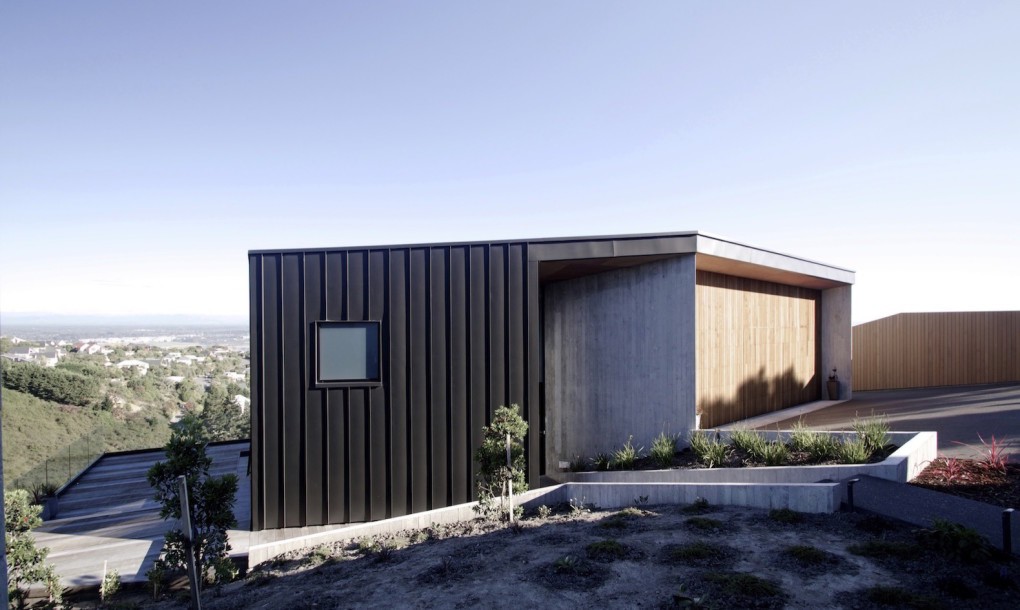
Building holiday homes in seismically active areas requires careful planning and specialized construction techniques. Earthquake-resistant design ensures safety, structural integrity, and occupant confidence while allowing vacation properties to retain aesthetic appeal and comfort.
1. Understanding Earthquake Risks
Seismic activity can cause sudden ground movement, leading to structural damage or collapse. Understanding local earthquake hazards, soil conditions, and building codes is crucial for designing safe holiday homes that can withstand seismic events.
2. Structural Design Principles
Modern earthquake-resistant homes focus on flexibility, strength, and energy dissipation. Techniques include reinforced concrete or steel frames, shear walls, cross-laminated timber (CLT), and base isolation systems. These elements allow the structure to absorb and dissipate seismic forces effectively.
3. Foundation Considerations
Foundations must provide stability while accommodating ground movement. Deep pilings, reinforced slabs, and base isolators reduce the impact of lateral forces. Proper foundation design minimizes the risk of settlement, cracking, and structural failure.
4. Material Selection
Durable, flexible, and lightweight materials perform better during seismic events. Reinforced concrete, structural steel, engineered timber, and fiber-reinforced composites offer strength while allowing controlled movement. Avoid heavy, brittle materials that are prone to cracking or collapse.
5. Building Layout and Open Spaces
Simple, symmetrical layouts enhance stability. Open-plan interiors with fewer load-bearing partitions reduce stress points. Incorporating braced frames, cross beams, and flexible joints improves the structure’s ability to respond to seismic forces.
6. Safety Systems and Technology
Modern earthquake-resistant homes can integrate monitoring systems, early-warning devices, and emergency preparedness features. Smart sensors detect ground movement and alert occupants, while secure storage, anchoring of heavy objects, and accessible evacuation routes improve safety during seismic events.
7. Maintenance and Retrofitting
Regular inspection of structural elements, joints, and foundations ensures long-term safety. Older holiday homes can be retrofitted with seismic reinforcements, shear walls, or base isolators to meet modern earthquake-resistant standards.
Final Thoughts
Earthquake-resistant holiday homes combine safety, resilience, and thoughtful design to create secure vacation properties in seismically active regions. By integrating modern structural techniques, durable materials, and smart technologies, homeowners can enjoy peace of mind, comfort, and functionality without compromising aesthetics. These homes exemplify the balance between safety and vacation luxury.
Popular Articles
-
Home & Repair
 5 Practical Tips to Prevent Dampness & Mold in Your CabinA cozy cabin can quickly become unpleasant if damp and mold take hold. These five practical tips help keep humidity under control and protect wood, finishes, and indoor air quality.
 -
Home & Repair
Spring Cabin Care: Window Cleaning, Roof Check & Yard Refresh TipsSpring is the perfect time to give your cabin a fresh start after the long winter. With a few simple maintenance tasks, you can brighten your living space, protect your structure, and make your outdoor area ready for warmer days. Here are some essential spring cleaning and maintenance tips for your cabin.
-
Home & Repair
Wood Cabin Maintenance Guide: Smart Tips to Extend the Life of Your TimberA wooden cabin has natural warmth and charm, but wood requires regular care to stay strong and beautiful. Proper maintenance helps prevent decay, cracks, and insect damage while keeping your cabin looking timeless. Here are some smart tips to extend the lifespan of your wooden structure.