Eco-Resort Homes: Sustainable Materials for Vacation Properties
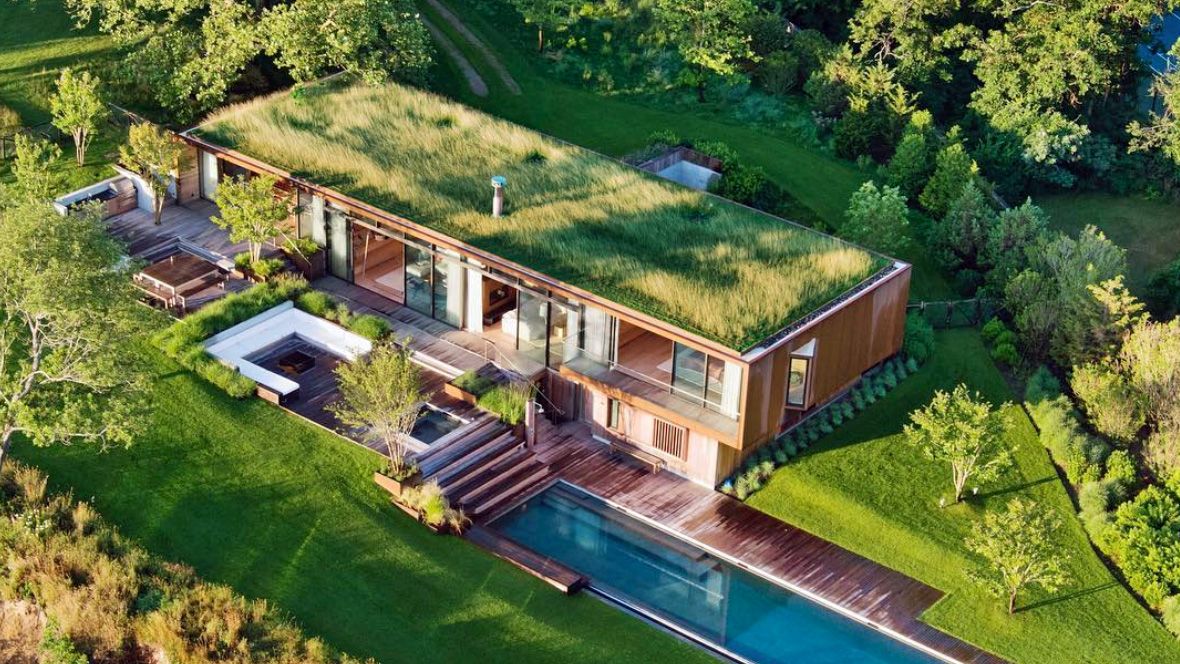
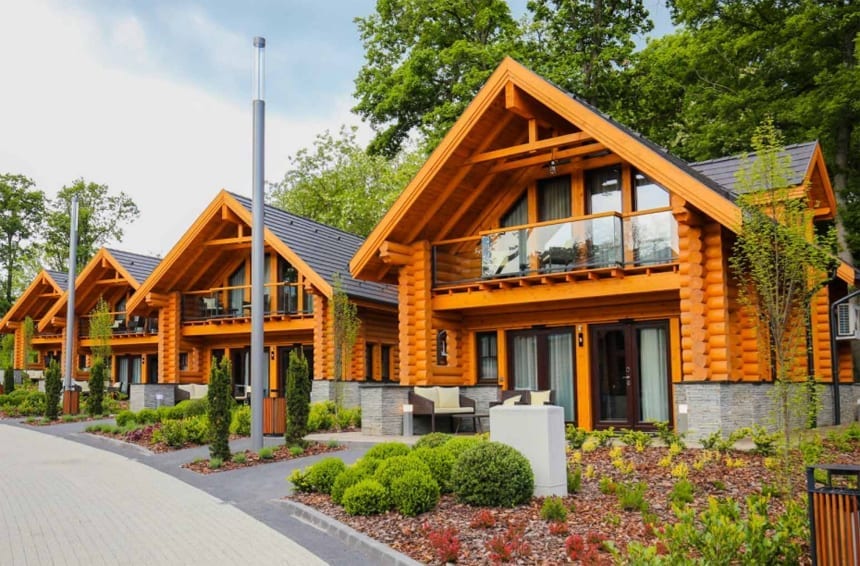
Eco-resort homes focus on sustainability, energy efficiency, and environmental harmony, making them ideal vacation properties for environmentally conscious travelers. Using renewable, durable, and low-impact materials, these homes combine modern comfort with a minimal ecological footprint.
1. Introduction to Eco-Resort Homes
Eco-resort homes are designed to integrate seamlessly with their natural surroundings while prioritizing sustainability. These properties emphasize energy-efficient systems, responsible material choices, and smart design practices that reduce environmental impact and operational costs.
2. Benefits of Sustainable Materials
- Environmental Impact: Using renewable, recycled, or locally sourced materials reduces carbon footprint and resource depletion.
- Durability: Sustainable materials like bamboo, reclaimed wood, or recycled metal offer long-lasting performance in various climates.
- Energy Efficiency: Materials with good thermal properties, such as insulated panels or natural stone, help maintain indoor comfort while lowering energy consumption.
- Health and Comfort: Non-toxic, low-VOC materials improve indoor air quality, creating a healthier environment for occupants.
3. Popular Sustainable Materials
Eco-resort homes often utilize materials such as:
- Bamboo: Fast-growing, renewable, and versatile for flooring, furniture, and paneling.
- Reclaimed Wood: Adds character while reducing the demand for new timber.
- Recycled Metal: Used for roofing, framing, and fixtures, offering durability and corrosion resistance.
- Natural Stone: Long-lasting and thermally efficient, perfect for exterior cladding and landscaping.
- Eco-Friendly Insulation: Materials such as sheep’s wool, cellulose, or cork reduce energy usage.
4. Design Considerations
Eco-resort homes incorporate passive design principles, maximizing natural light, ventilation, and solar gain. Open-plan layouts, large windows, and outdoor spaces enhance the connection with nature. Sustainable materials are combined with modern amenities to create functional, comfortable, and visually appealing vacation homes.
5. Energy Efficiency and Renewable Integration
Pairing sustainable materials with renewable energy systems, such as solar panels, heat pumps, or small wind turbines, further reduces environmental impact. Water-saving technologies and rainwater harvesting contribute to a self-sufficient, low-maintenance vacation property.
6. Maintenance and Longevity
Sustainable materials are selected not only for their eco-friendliness but also for durability and low maintenance. Regular inspection, protective coatings, and proper care extend the life of materials while maintaining aesthetic appeal and functionality.
Final Thoughts
Eco-resort homes demonstrate that vacation properties can be luxurious, comfortable, and environmentally responsible. By using sustainable materials, energy-efficient systems, and thoughtful design, homeowners create resilient, beautiful, and low-impact retreats. These homes offer a perfect balance of modern living and ecological mindfulness for vacation experiences that respect the planet.
Popular Articles
-
Home & Repair
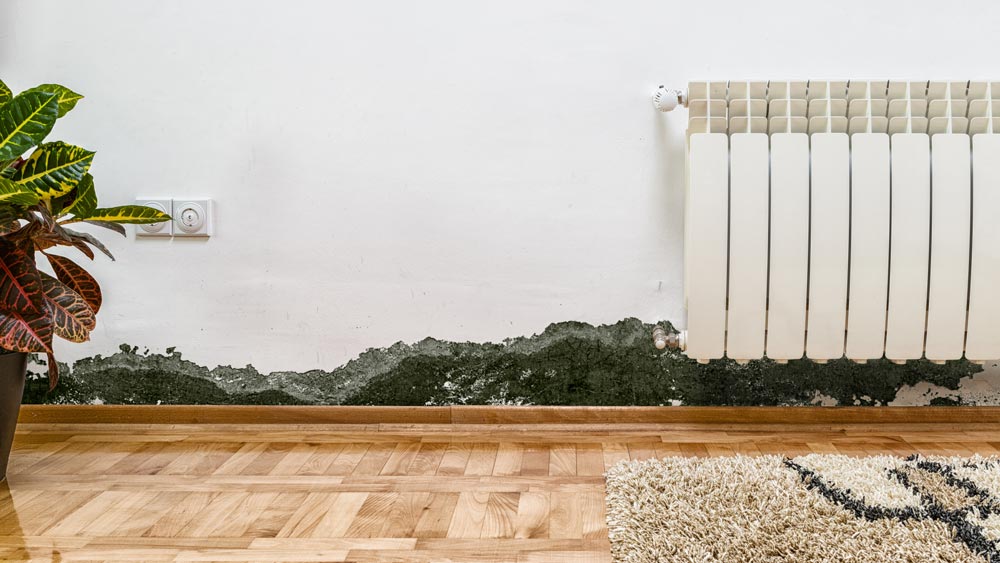
 5 Practical Tips to Prevent Dampness & Mold in Your CabinA cozy cabin can quickly become unpleasant if damp and mold take hold. These five practical tips help keep humidity under control and protect wood, finishes, and indoor air quality.
 -
Home & Repair
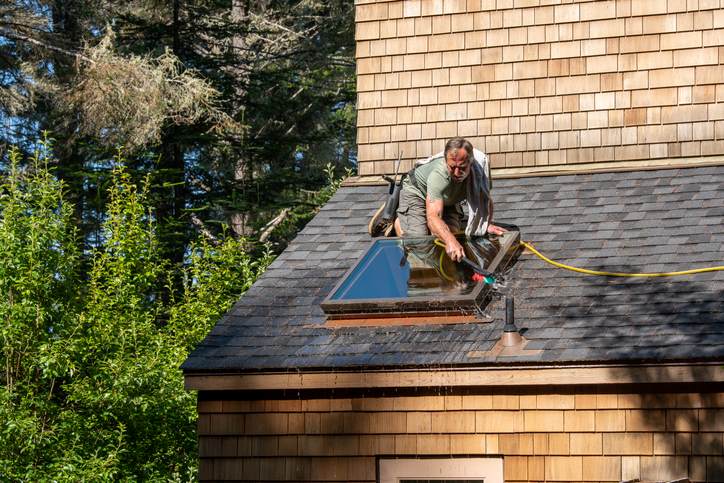
Spring Cabin Care: Window Cleaning, Roof Check & Yard Refresh TipsSpring is the perfect time to give your cabin a fresh start after the long winter. With a few simple maintenance tasks, you can brighten your living space, protect your structure, and make your outdoor area ready for warmer days. Here are some essential spring cleaning and maintenance tips for your cabin.
-
Home & Repair
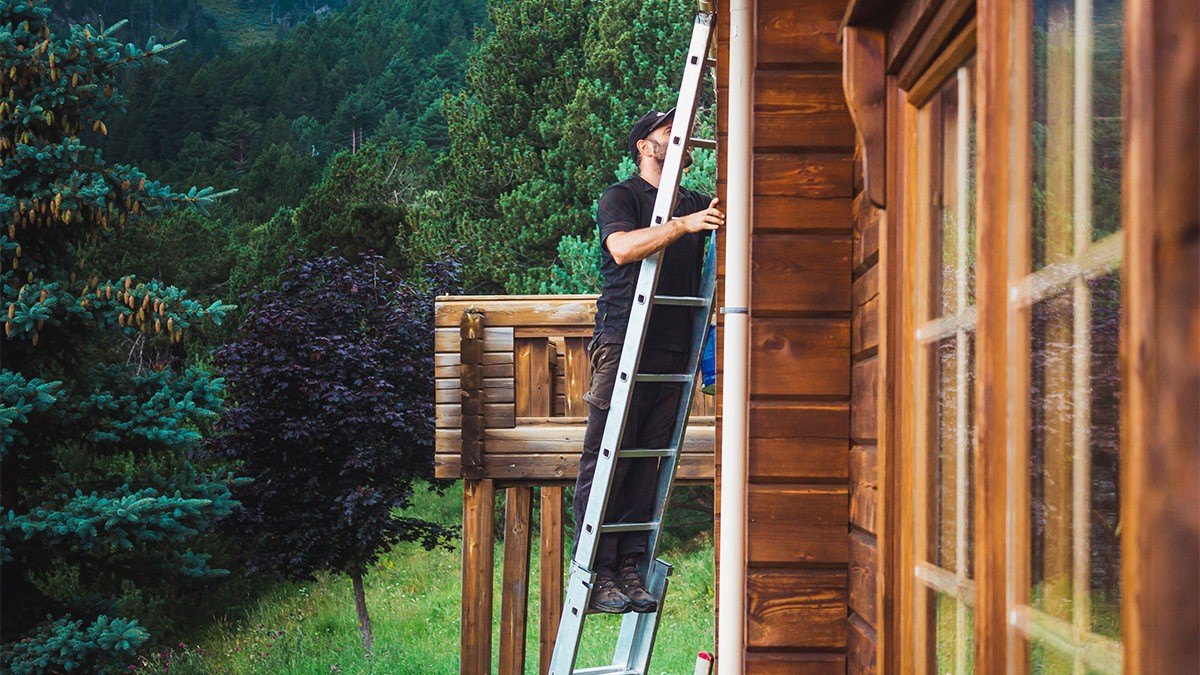
Wood Cabin Maintenance Guide: Smart Tips to Extend the Life of Your TimberA wooden cabin has natural warmth and charm, but wood requires regular care to stay strong and beautiful. Proper maintenance helps prevent decay, cracks, and insect damage while keeping your cabin looking timeless. Here are some smart tips to extend the lifespan of your wooden structure.