Hurricane and Storm-Proofing Coastal Properties
Coastal properties face unique challenges due to hurricanes, tropical storms, and strong winds. Proper storm-proofing ensures safety, protects property value, and minimizes damage during extreme weather events. Thoughtful design, materials, and construction techniques are essential for resilient coastal homes.
1. Understanding Coastal Weather Risks
Coastal regions are prone to high winds, heavy rainfall, storm surges, and flooding. Understanding local weather patterns and hurricane risks allows homeowners to implement effective protection strategies and comply with building codes designed for extreme conditions.
2. Structural Reinforcements
Strong framing, reinforced roofs, impact-resistant windows, and hurricane straps enhance structural integrity. Use reinforced concrete, steel, or engineered wood to withstand high wind pressures. Properly anchored foundations prevent uplift and minimize the risk of structural failure.
3. Roof and Window Protection
Install impact-resistant roofing materials such as metal, reinforced shingles, or tiles. Consider storm shutters, laminated glass, or tempered windows to prevent breakage. Regular maintenance of roof fasteners and window seals ensures maximum protection during storms.
4. Flood and Water Management
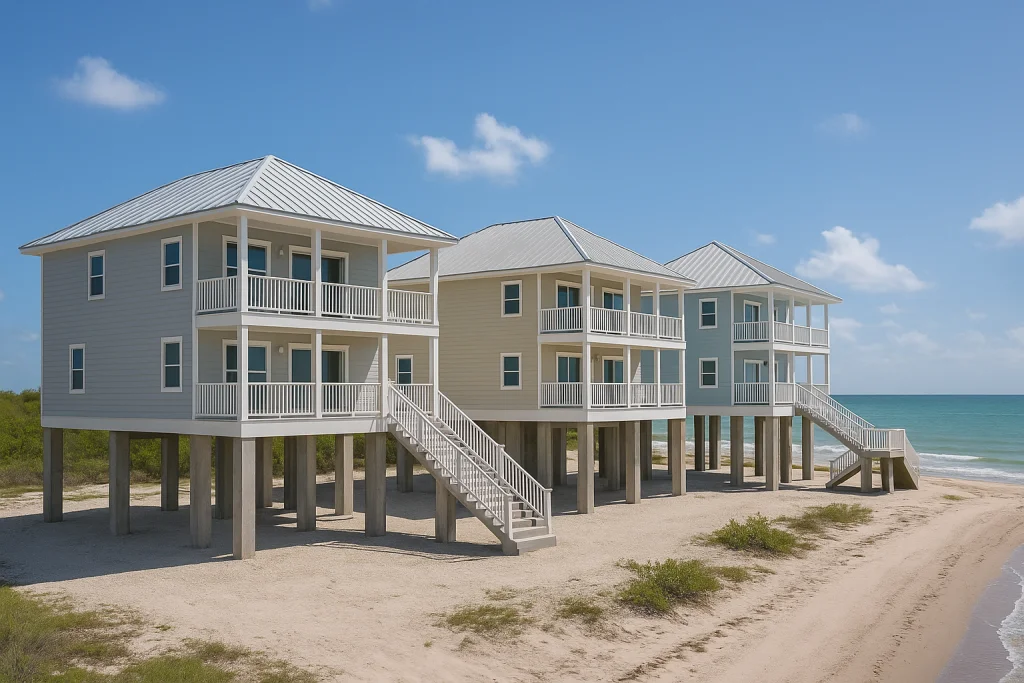
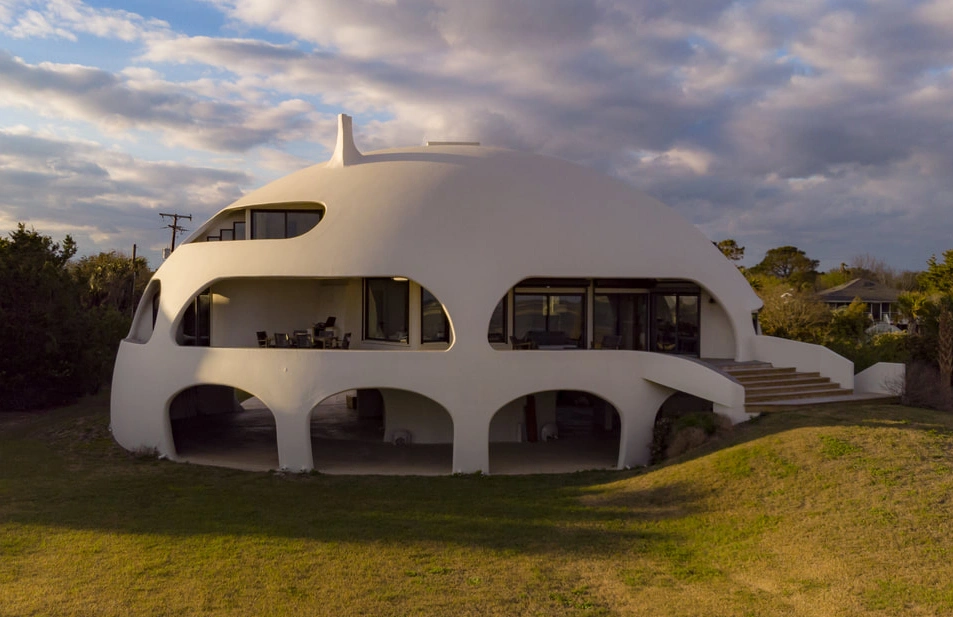
Elevate homes above base flood levels when possible, and use flood-resistant materials for walls and floors. Install proper drainage systems, sump pumps, and French drains to manage water flow and reduce the impact of storm surges and heavy rainfall.
5. Landscaping and Exterior Measures
Strategically placed vegetation and retaining walls can reduce wind impact and soil erosion. Keep trees trimmed to prevent damage from falling branches, and avoid planting trees too close to structures. Exterior hardscaping should be designed to channel water away from the property.
6. Safety and Emergency Preparedness
Equip the home with emergency kits, backup power sources, and communication plans. Secure outdoor furniture and loose objects before storms. Educate occupants on evacuation routes and storm safety procedures to reduce risk during emergencies.
7. Maintenance and Inspection
Regular inspections of roofing, siding, windows, and drainage systems maintain readiness for extreme weather. Replace worn or damaged materials promptly, and ensure storm-proofing systems are functioning correctly to provide ongoing protection.
Final Thoughts
Hurricane and storm-proofing coastal properties is essential for safety, durability, and peace of mind. By combining reinforced construction, impact-resistant materials, effective water management, and emergency preparedness, homeowners can protect their investment and enjoy coastal living with confidence. Thoughtful planning ensures resilience against the most challenging weather conditions.
Popular Articles
-
Home & Repair
 5 Practical Tips to Prevent Dampness & Mold in Your CabinA cozy cabin can quickly become unpleasant if damp and mold take hold. These five practical tips help keep humidity under control and protect wood, finishes, and indoor air quality.
 -
Home & Repair
Spring Cabin Care: Window Cleaning, Roof Check & Yard Refresh TipsSpring is the perfect time to give your cabin a fresh start after the long winter. With a few simple maintenance tasks, you can brighten your living space, protect your structure, and make your outdoor area ready for warmer days. Here are some essential spring cleaning and maintenance tips for your cabin.
-
Home & Repair
Wood Cabin Maintenance Guide: Smart Tips to Extend the Life of Your TimberA wooden cabin has natural warmth and charm, but wood requires regular care to stay strong and beautiful. Proper maintenance helps prevent decay, cracks, and insect damage while keeping your cabin looking timeless. Here are some smart tips to extend the lifespan of your wooden structure.