Integrating Outdoor Living Spaces into Holiday Home Design
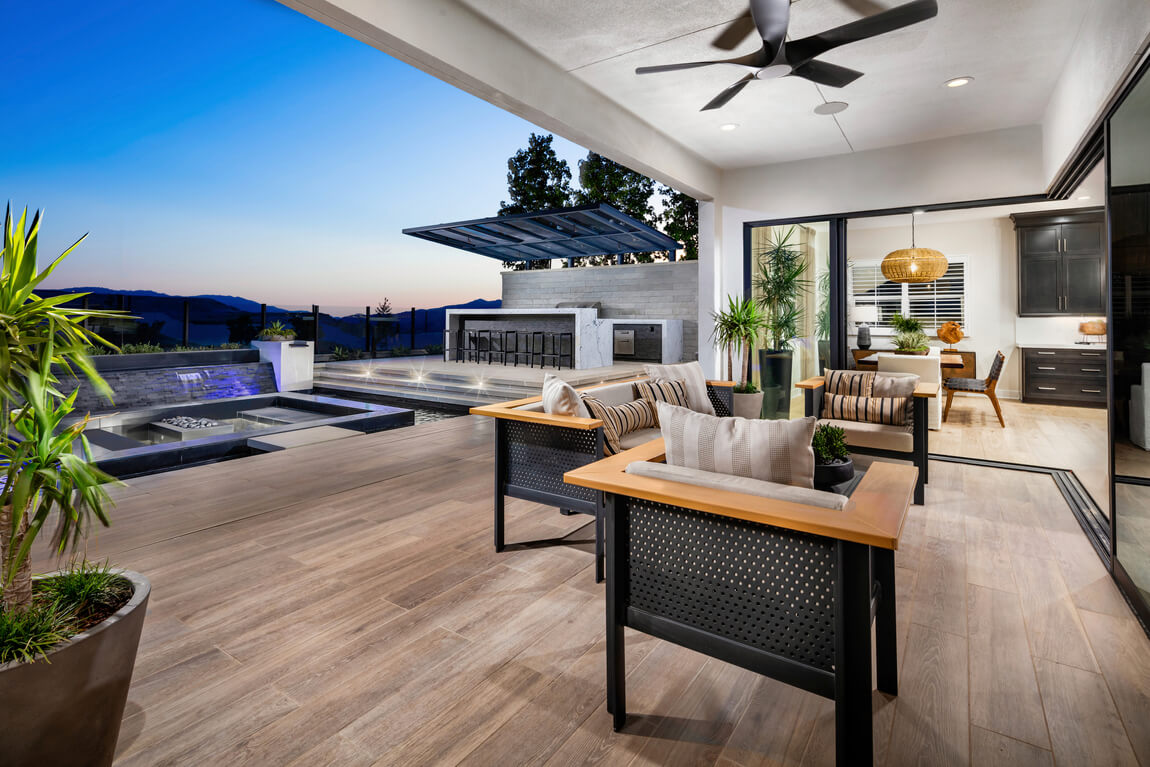
Outdoor living spaces are an essential part of modern holiday homes, enhancing the vacation experience by connecting indoor comfort with natural surroundings. Thoughtful integration of patios, decks, gardens, and recreational areas transforms a property into a versatile, relaxing retreat.
1. The Importance of Outdoor Spaces
Outdoor areas extend usable living space, encourage relaxation, and offer opportunities for entertainment, dining, and recreation. Properly designed outdoor spaces create a seamless flow between the interior and exterior, enhancing both functionality and aesthetic appeal.
2. Designing Patios and Decks
Patios and decks should be constructed with durable, weather-resistant materials such as composite wood, treated timber, or stone. Consider orientation for sunlight and shade, and incorporate features like pergolas, awnings, or umbrellas for comfort. Multi-level decks can provide separate zones for dining, lounging, or entertaining.
3. Outdoor Kitchens and Dining Areas
Outdoor kitchens, grills, and dining spaces enhance the vacation experience by allowing family and guests to cook and eat in fresh air. Use weatherproof appliances, durable countertops, and seating that withstands outdoor conditions. Thoughtful layout ensures smooth workflow and comfortable gatherings.
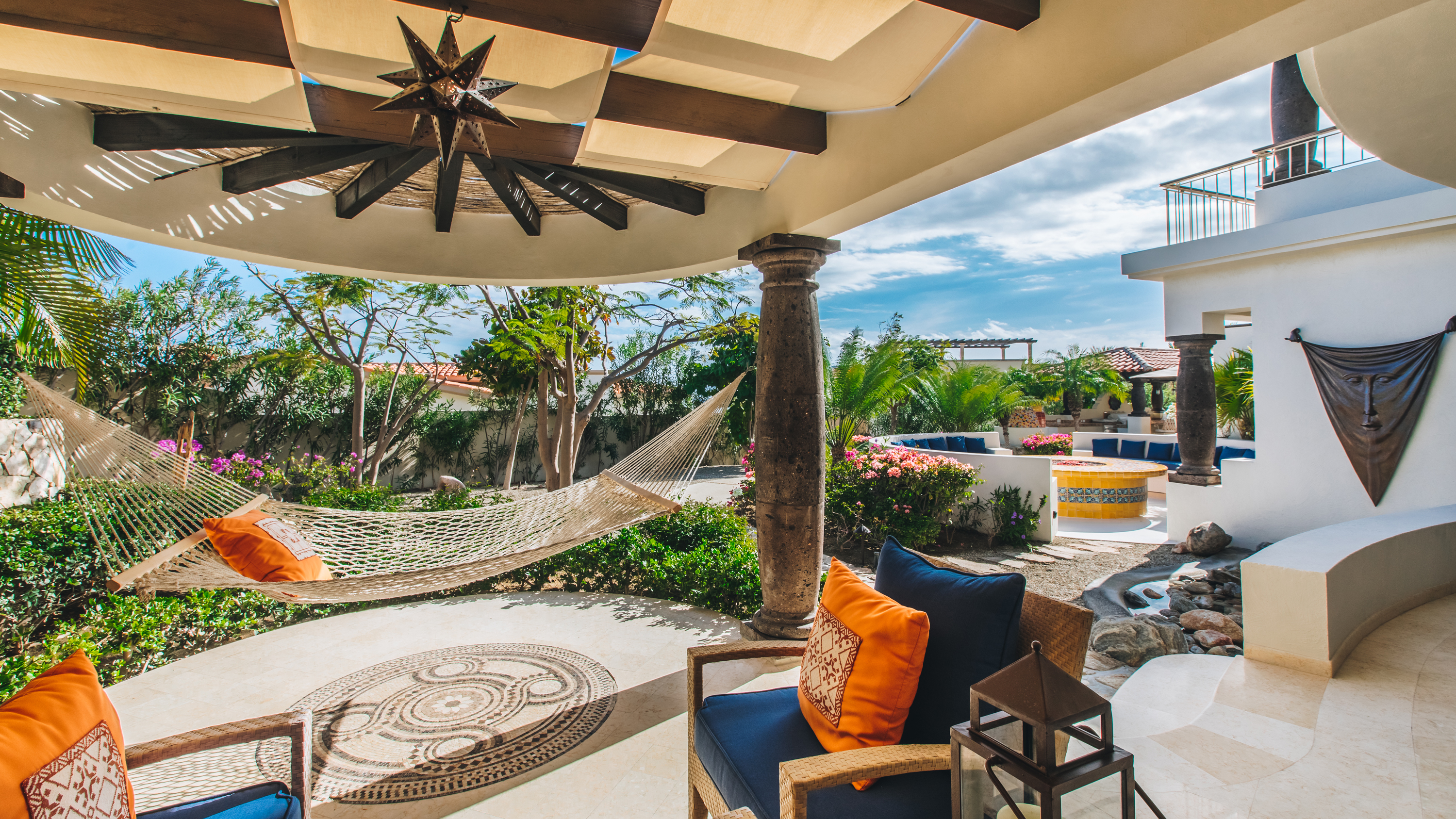
4. Landscaping and Gardens
Landscaping complements outdoor living spaces and integrates the property with nature. Native and drought-tolerant plants reduce maintenance, while pathways, rock gardens, and small water features enhance visual appeal. Strategic placement of trees and shrubs can provide privacy and wind protection.
5. Recreational Features
Adding recreational elements such as fire pits, hot tubs, seating nooks, or small playgrounds increases enjoyment. Outdoor lighting, including pathway lights, string lights, and wall-mounted fixtures, extends usability into the evening while enhancing ambiance and safety.
6. Seamless Indoor-Outdoor Connection
Large sliding doors, bi-fold doors, and floor-to-ceiling windows create a visual and physical connection between indoor and outdoor areas. Coordinating materials, colors, and décor between the interior and exterior ensures a cohesive, harmonious design.
7. Maintenance and Sustainability
Use durable, low-maintenance materials for outdoor furniture and flooring to ensure longevity. Incorporate sustainable practices such as rainwater harvesting, energy-efficient lighting, and native plant landscaping to minimize environmental impact and reduce upkeep.
Final Thoughts
Integrating outdoor living spaces into holiday home design enhances comfort, functionality, and connection with nature. By thoughtfully planning patios, decks, gardens, and recreational areas, homeowners can create inviting, versatile, and beautiful retreats. Well-designed outdoor spaces elevate the vacation experience while blending style, practicality, and sustainability.
Popular Articles
-
Home & Repair
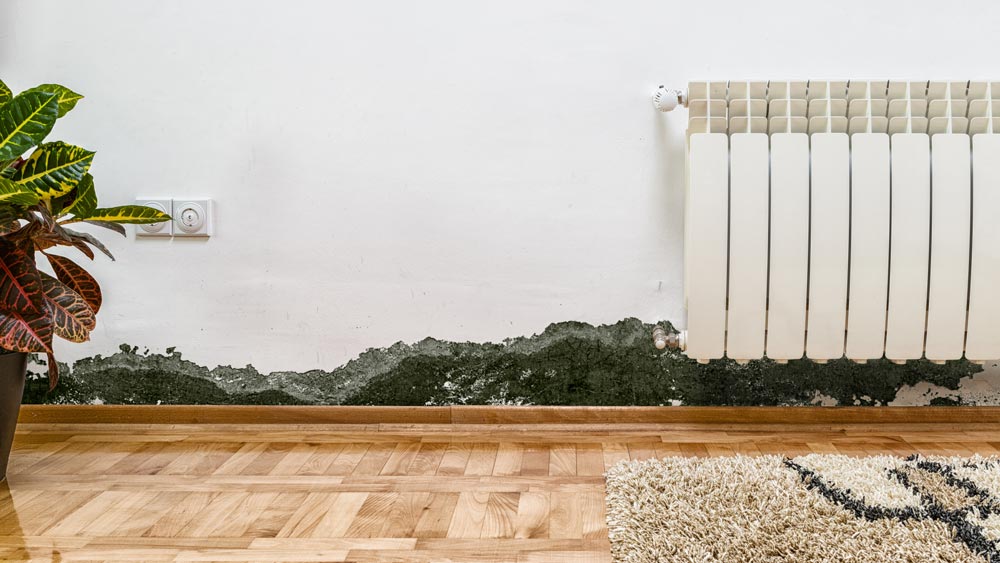
 5 Practical Tips to Prevent Dampness & Mold in Your CabinA cozy cabin can quickly become unpleasant if damp and mold take hold. These five practical tips help keep humidity under control and protect wood, finishes, and indoor air quality.
 -
Home & Repair
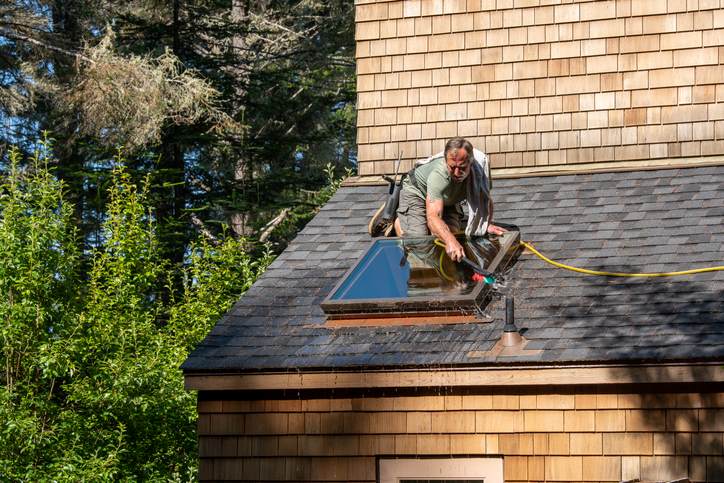
Spring Cabin Care: Window Cleaning, Roof Check & Yard Refresh TipsSpring is the perfect time to give your cabin a fresh start after the long winter. With a few simple maintenance tasks, you can brighten your living space, protect your structure, and make your outdoor area ready for warmer days. Here are some essential spring cleaning and maintenance tips for your cabin.
-
Home & Repair
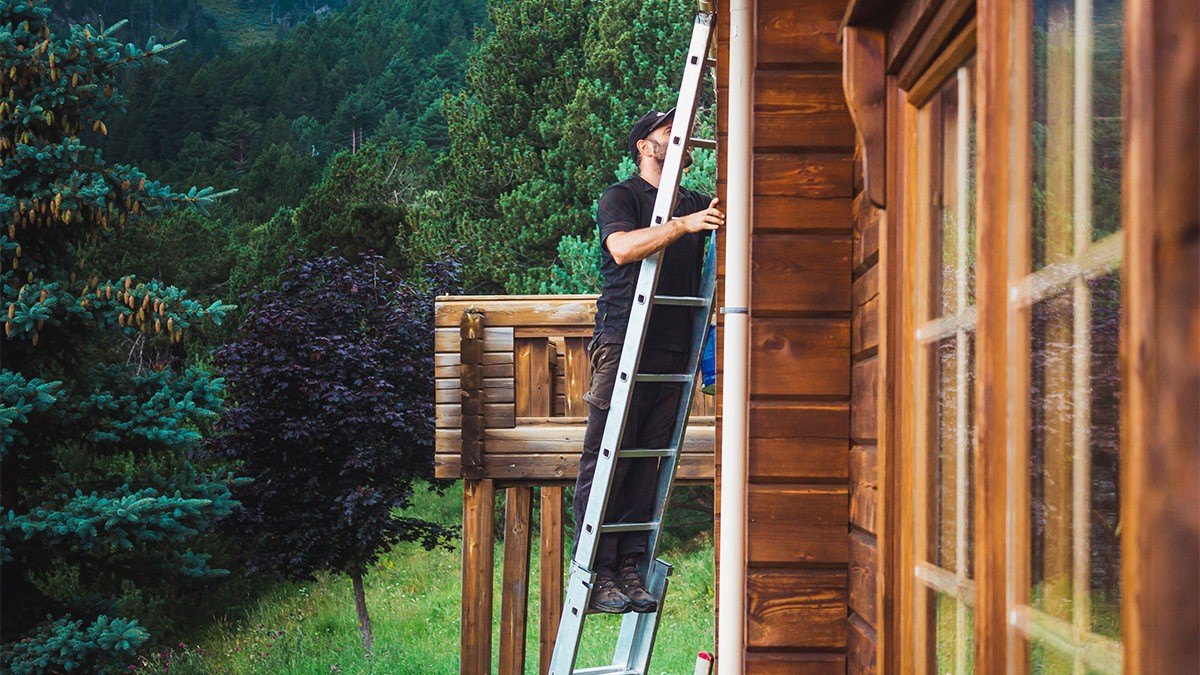
Wood Cabin Maintenance Guide: Smart Tips to Extend the Life of Your TimberA wooden cabin has natural warmth and charm, but wood requires regular care to stay strong and beautiful. Proper maintenance helps prevent decay, cracks, and insect damage while keeping your cabin looking timeless. Here are some smart tips to extend the lifespan of your wooden structure.