Mountain Retreats: Building Sturdy Homes for Harsh Climates
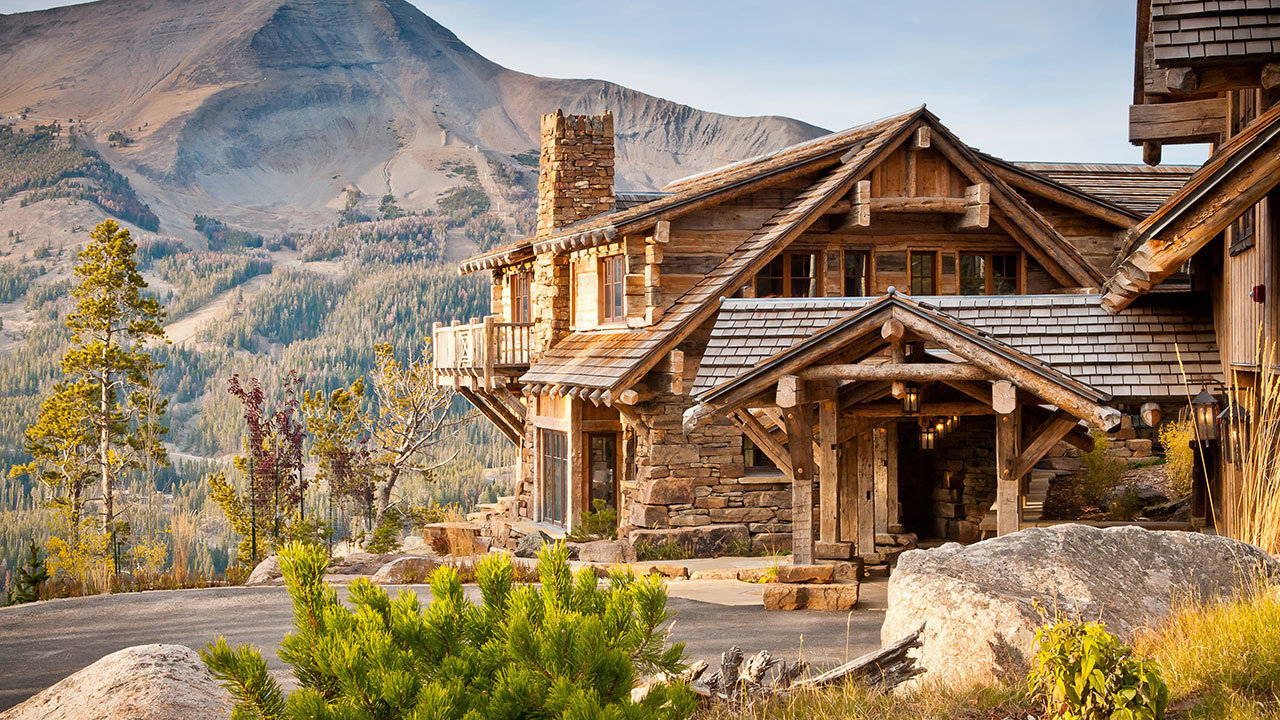
Mountain retreats offer a serene escape from everyday life, but building in high-altitude or harsh climate regions comes with unique challenges. Cold temperatures, heavy snow, strong winds, and steep terrain require thoughtful design, durable materials, and specialized construction techniques to ensure safety, comfort, and longevity.
1. Understanding Mountain Climate Challenges
Mountain environments are characterized by extreme weather variations, including snow, ice, heavy rainfall, and high winds. These conditions can cause structural stress, water infiltration, and accelerated wear on building materials. Awareness of local climate patterns is crucial for designing resilient mountain homes.
2. Foundation and Structural Considerations
Foundations must adapt to uneven or rocky terrain while ensuring stability. Poured concrete, reinforced footings, and deep pilings provide a strong base. Framing should use high-strength materials such as engineered timber or steel, designed to withstand heavy snow loads and high wind pressure.
3. Roofing and Insulation
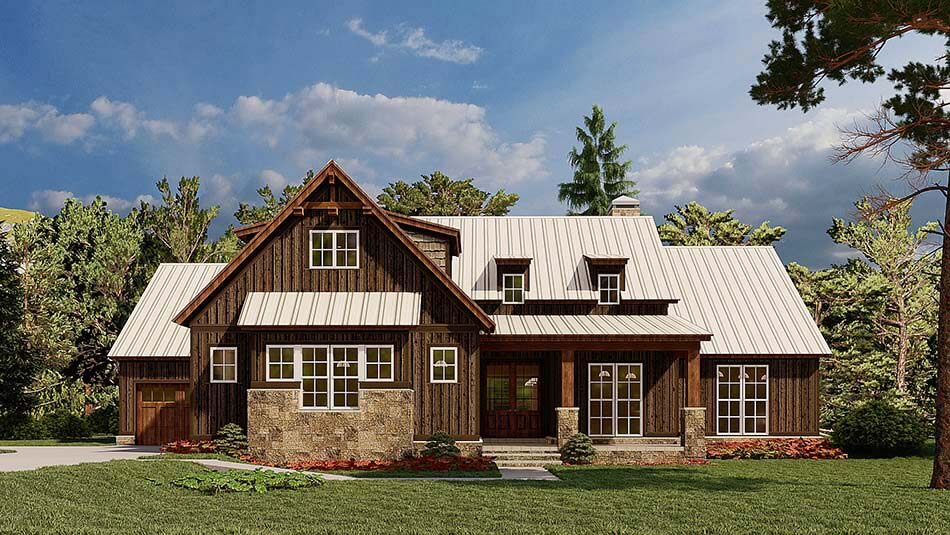
Steeply pitched roofs allow snow to slide off easily, preventing accumulation and reducing the risk of collapse. Durable roofing materials, such as metal or slate, resist moisture and temperature fluctuations. High-quality insulation in walls, floors, and roofs maintains indoor comfort and energy efficiency.
4. Exterior Materials and Finishes
Exteriors should resist moisture, frost, and UV exposure. Treated wood, stone, and fiber cement panels are ideal choices. Protective coatings, sealants, and weather-resistant paints enhance durability and minimize maintenance requirements in harsh mountain conditions.
5. Energy Efficiency and Sustainability
Mountain homes often face higher energy demands for heating. Incorporating energy-efficient windows, passive solar design, and renewable energy sources such as solar panels or heat pumps can reduce consumption. Sustainable building practices also minimize environmental impact and integrate the home harmoniously with its surroundings.
6. Outdoor Spaces and Landscaping
Terraces, decks, and patios should be built with non-slip, weather-resistant materials. Landscaping must consider soil stability, drainage, and native plants that thrive in mountain climates. Natural barriers, such as stone walls or dense vegetation, protect against wind and erosion.
7. Maintenance Strategies
Regular maintenance is essential to preserve mountain homes. Inspect roofs and gutters after heavy snow or storms, check for water infiltration, and treat exposed wood and metal surfaces. Preventive care ensures longevity and reduces the risk of damage in extreme weather.
Final Thoughts
Building mountain retreats requires careful planning, durable materials, and climate-aware design. By addressing structural integrity, insulation, exterior protection, and energy efficiency, homeowners can create sturdy, comfortable, and inviting homes in the mountains. These retreats combine natural beauty with resilience, offering a safe haven in challenging environments.
Popular Articles
-
Home & Repair
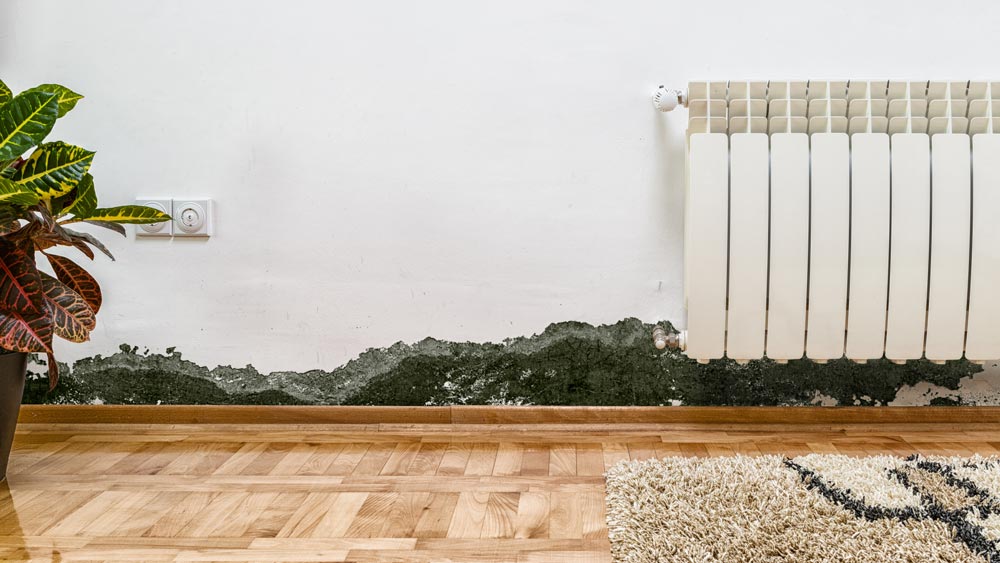
 5 Practical Tips to Prevent Dampness & Mold in Your CabinA cozy cabin can quickly become unpleasant if damp and mold take hold. These five practical tips help keep humidity under control and protect wood, finishes, and indoor air quality.
 -
Home & Repair
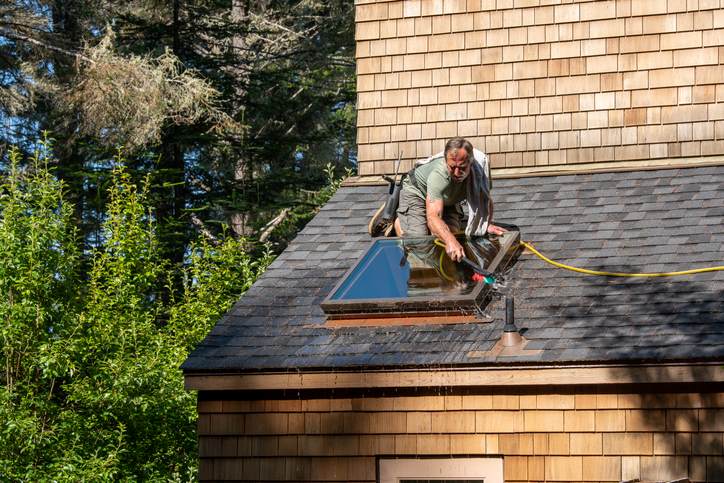
Spring Cabin Care: Window Cleaning, Roof Check & Yard Refresh TipsSpring is the perfect time to give your cabin a fresh start after the long winter. With a few simple maintenance tasks, you can brighten your living space, protect your structure, and make your outdoor area ready for warmer days. Here are some essential spring cleaning and maintenance tips for your cabin.
-
Home & Repair
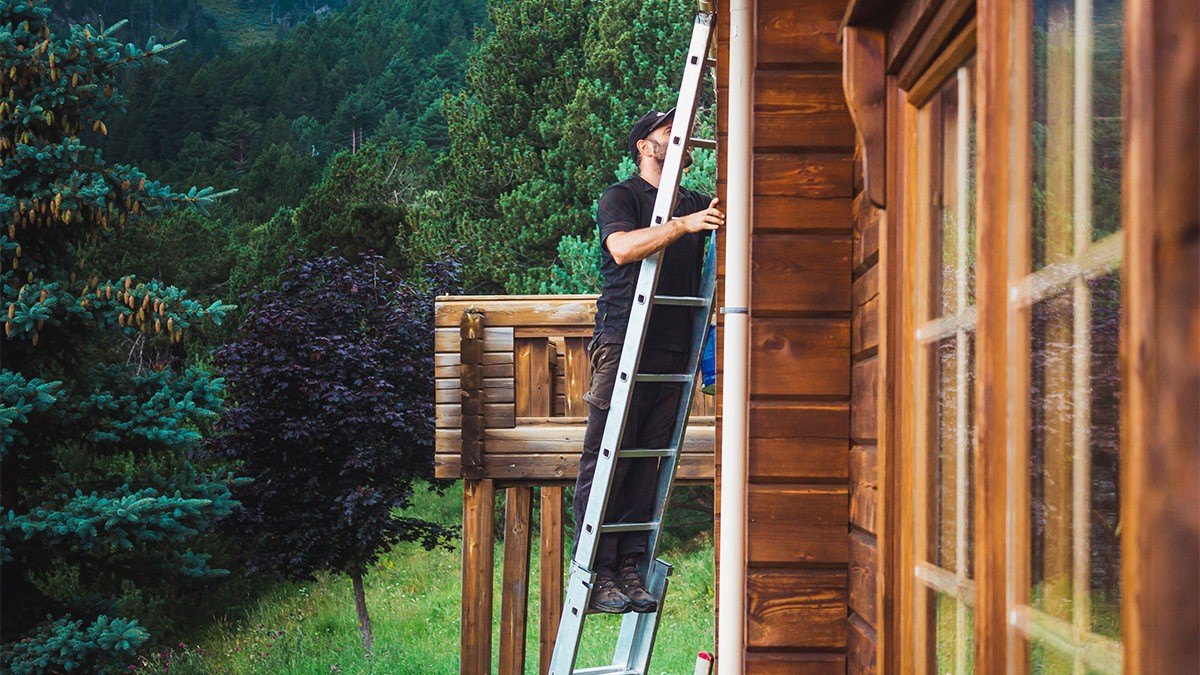
Wood Cabin Maintenance Guide: Smart Tips to Extend the Life of Your TimberA wooden cabin has natural warmth and charm, but wood requires regular care to stay strong and beautiful. Proper maintenance helps prevent decay, cracks, and insect damage while keeping your cabin looking timeless. Here are some smart tips to extend the lifespan of your wooden structure.