Passive Design Principles for Energy-Efficient Holiday Homes
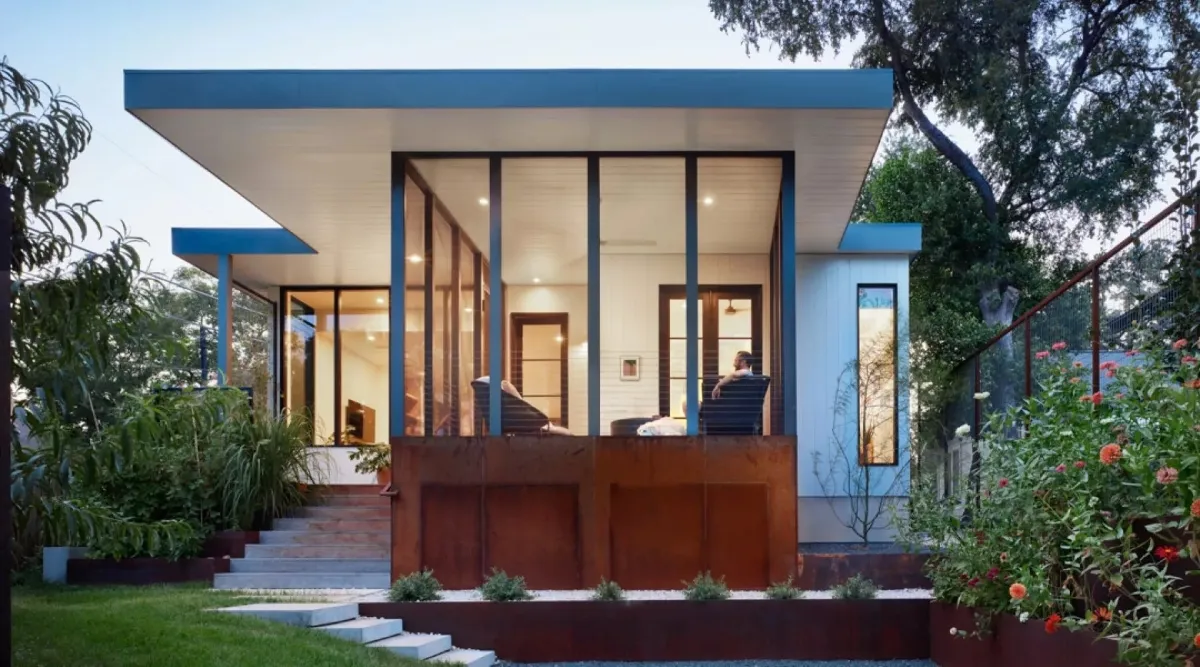
Passive design is a sustainable approach that maximizes energy efficiency by leveraging natural climate conditions and smart architectural strategies. For holiday homes, passive design reduces energy consumption, enhances comfort, and minimizes environmental impact while maintaining aesthetic appeal.
1. Introduction to Passive Design
Passive design focuses on optimizing building orientation, materials, and layout to control heat, light, and ventilation without relying heavily on mechanical systems. This approach uses sunlight, wind, and thermal mass to regulate indoor temperatures, improving comfort and efficiency in vacation homes.
2. Site Orientation and Layout
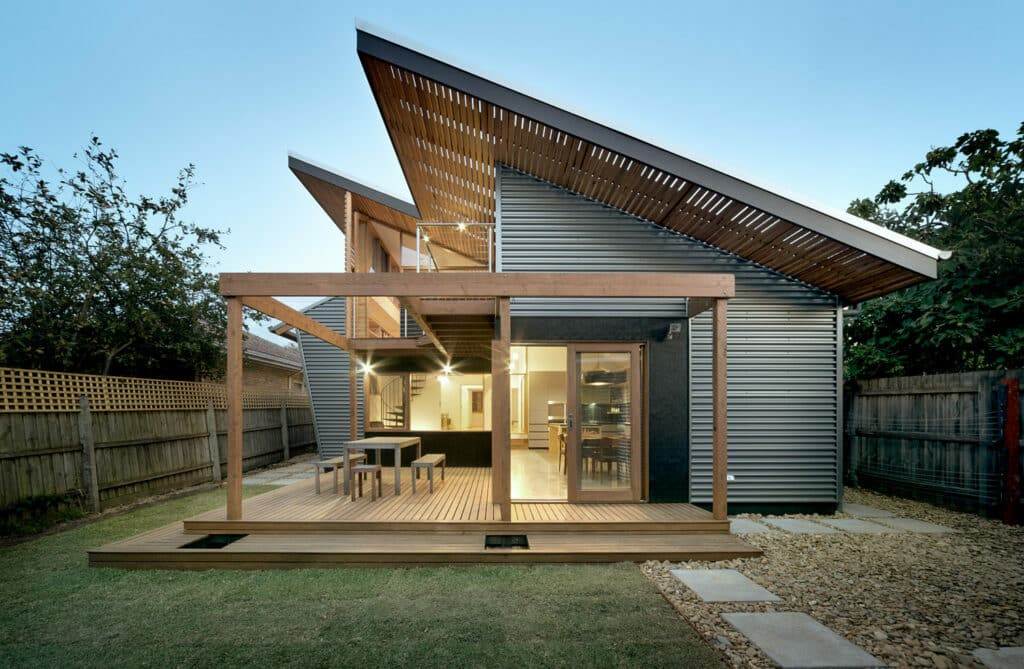
Positioning the home to maximize solar gain in winter and provide shading in summer is crucial. South-facing windows capture sunlight for warmth, while overhangs, pergolas, or trees prevent overheating. Room placement also matters: living areas benefit from natural light, while bedrooms are positioned for comfort and privacy.
3. Building Envelope and Insulation
High-quality insulation in walls, roofs, and floors maintains stable indoor temperatures. Energy-efficient windows, airtight doors, and thermal breaks reduce heat loss and gain. Proper sealing prevents drafts and improves overall energy performance.
4. Natural Ventilation Strategies
Cross-ventilation, stack effect, and operable windows allow airflow to cool spaces naturally. Ventilation strategies reduce reliance on air conditioning while maintaining indoor air quality. Designing for prevailing winds and thermal gradients enhances comfort without mechanical energy use.
5. Thermal Mass and Materials
Materials with high thermal mass, such as stone, concrete, or brick, absorb heat during the day and release it at night. This stabilizes indoor temperatures and reduces the need for active heating or cooling. Combining thermal mass with proper insulation optimizes energy efficiency.
6. Daylighting and Shading
Maximizing natural light reduces the need for artificial lighting. Strategically placed windows, skylights, and light shelves enhance daylight penetration. Shading devices, blinds, and overhangs control glare and overheating, improving comfort and energy performance.
7. Renewable Energy Integration
While passive design minimizes energy use, integrating renewable energy sources like solar panels, heat pumps, or small wind turbines further enhances sustainability. Passive principles reduce system size and costs, making renewable energy more efficient and practical for holiday homes.
Final Thoughts
Passive design principles allow holiday homes to achieve energy efficiency, comfort, and environmental responsibility. By focusing on orientation, insulation, ventilation, daylighting, and thermal mass, homeowners can create vacation properties that are sustainable, cost-effective, and enjoyable year-round. Passive design blends smart architecture with natural resources for a greener, more efficient living experience.
Popular Articles
-
Home & Repair
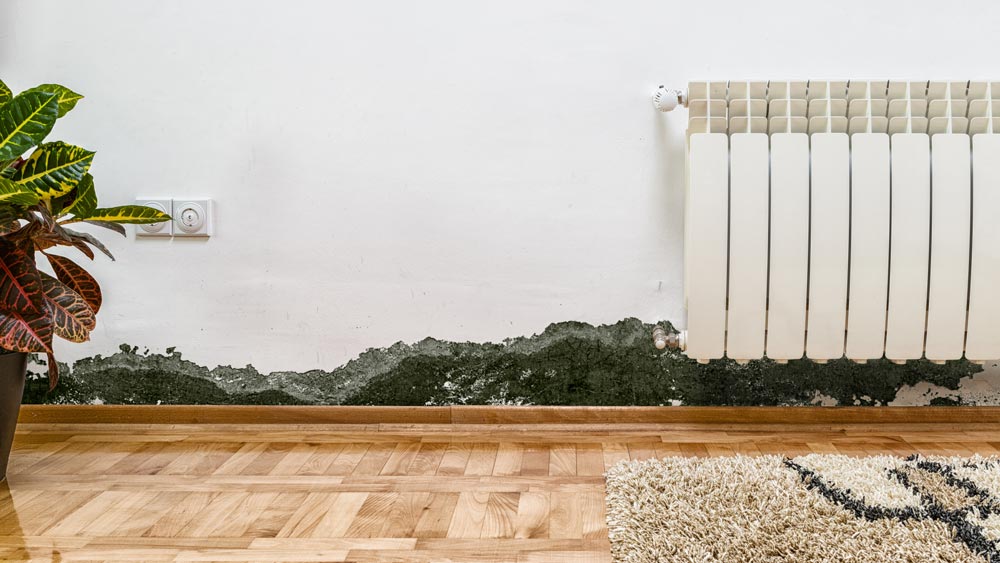
 5 Practical Tips to Prevent Dampness & Mold in Your CabinA cozy cabin can quickly become unpleasant if damp and mold take hold. These five practical tips help keep humidity under control and protect wood, finishes, and indoor air quality.
 -
Home & Repair
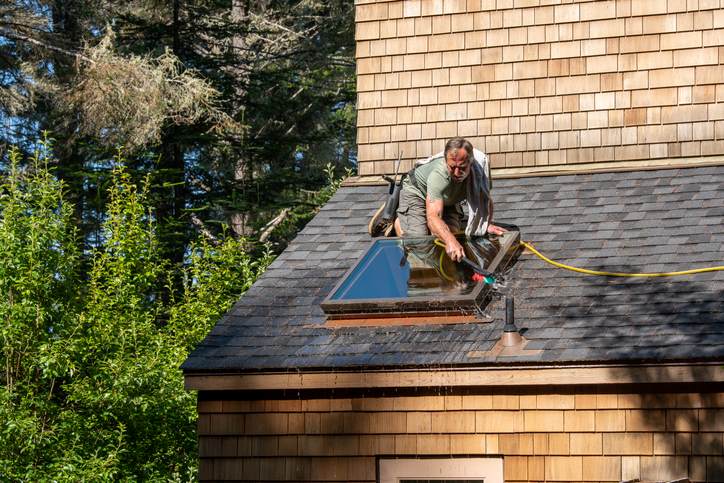
Spring Cabin Care: Window Cleaning, Roof Check & Yard Refresh TipsSpring is the perfect time to give your cabin a fresh start after the long winter. With a few simple maintenance tasks, you can brighten your living space, protect your structure, and make your outdoor area ready for warmer days. Here are some essential spring cleaning and maintenance tips for your cabin.
-
Home & Repair
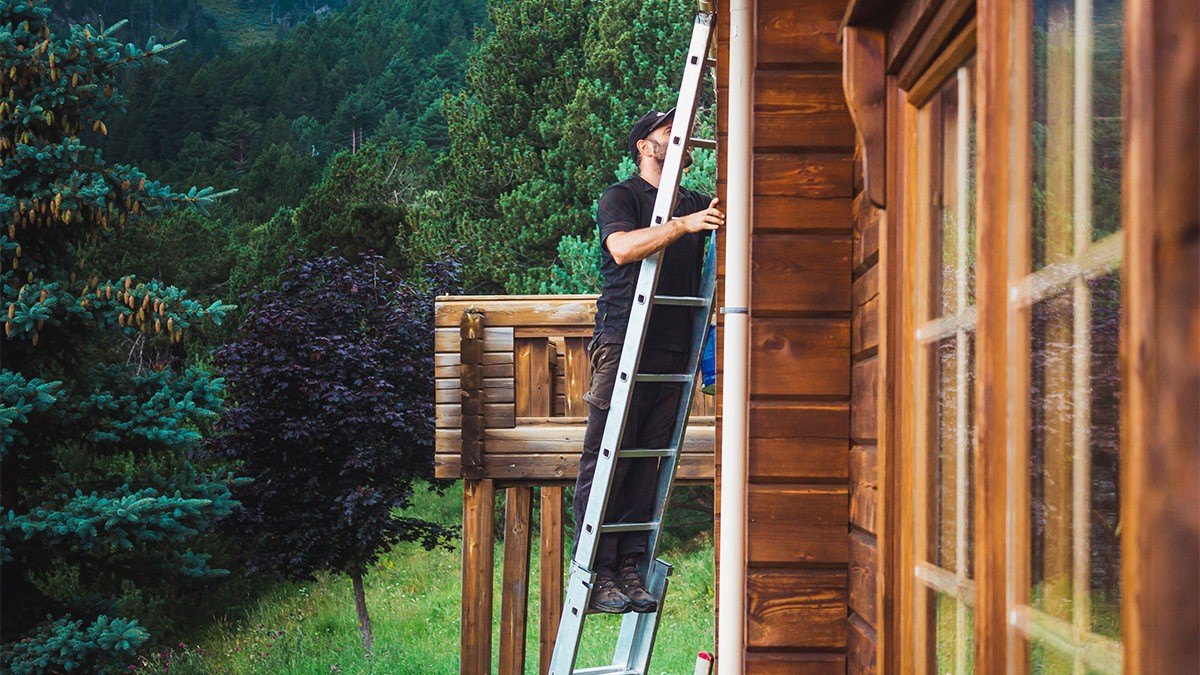
Wood Cabin Maintenance Guide: Smart Tips to Extend the Life of Your TimberA wooden cabin has natural warmth and charm, but wood requires regular care to stay strong and beautiful. Proper maintenance helps prevent decay, cracks, and insect damage while keeping your cabin looking timeless. Here are some smart tips to extend the lifespan of your wooden structure.