Winterizing Your Holiday Home for Cold Weather
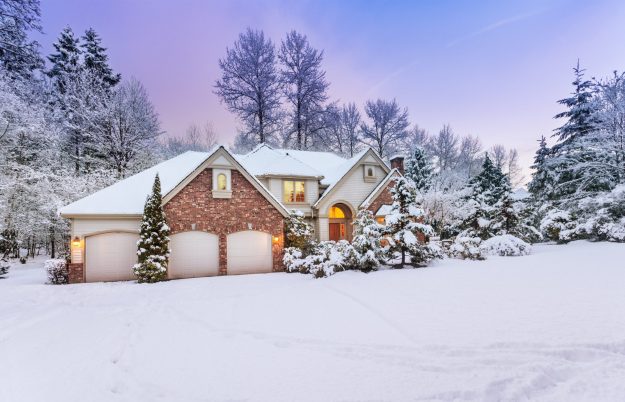
Preparing a holiday home for cold weather ensures comfort, safety, and protection of the property. Winterization involves steps to prevent damage from freezing temperatures, snow, ice, and wind while maintaining energy efficiency and reducing maintenance issues.
1. Insulation and Sealing
Proper insulation is essential to keep your holiday home warm and reduce heating costs. Insulate walls, attics, and crawl spaces, and seal gaps around doors and windows to prevent drafts. Weatherstripping and caulking protect against heat loss and moisture infiltration.
2. Heating Systems Check
Inspect and maintain heating systems before winter. Service furnaces, boilers, or heat pumps, and ensure thermostats function correctly. Consider programmable thermostats for energy efficiency and safety while the property is unoccupied.
3. Plumbing Protection
Prevent frozen pipes by insulating exposed plumbing and maintaining adequate indoor temperatures. Drain outdoor faucets, sprinkler systems, and water hoses. Install pipe insulation and consider freeze-proof valves in areas prone to extreme cold.
4. Roof and Gutter Maintenance
Clear leaves, debris, and ice dams from gutters and downspouts. Inspect the roof for loose shingles or leaks and repair as needed. Proper roof maintenance prevents water damage, structural issues, and ice accumulation during winter.
5. Windows and Doors
Install storm windows or thermal curtains to improve insulation. Check seals and weatherstripping for damage. Properly sealed windows and doors reduce heat loss and drafts, keeping indoor spaces warm and comfortable.
6. Outdoor Preparations
Secure outdoor furniture, grills, and decor to prevent damage from snow and wind. Trim tree branches near the property and clear pathways to ensure safe access. Protect landscaping with mulch or coverings for sensitive plants.
7. Safety Precautions
Install smoke and carbon monoxide detectors and check fire extinguishers. Keep emergency kits, flashlights, and salt or sand for icy surfaces readily available. Safety measures reduce risks associated with winter conditions.
8. Energy Efficiency Tips
Use programmable thermostats, draft stoppers, and energy-efficient lighting to reduce costs. Consider alternative heating options like pellet stoves or radiant floor heating. Efficient energy use protects the environment and minimizes operational expenses.
Final Thoughts
Winterizing your holiday home ensures a safe, comfortable, and efficient retreat during cold weather. By addressing insulation, heating, plumbing, roof maintenance, and outdoor preparations, homeowners can protect their investment and enjoy worry-free winter stays. Thoughtful winterization enhances longevity and usability of the property throughout the season.
Popular Articles
-
Home & Repair
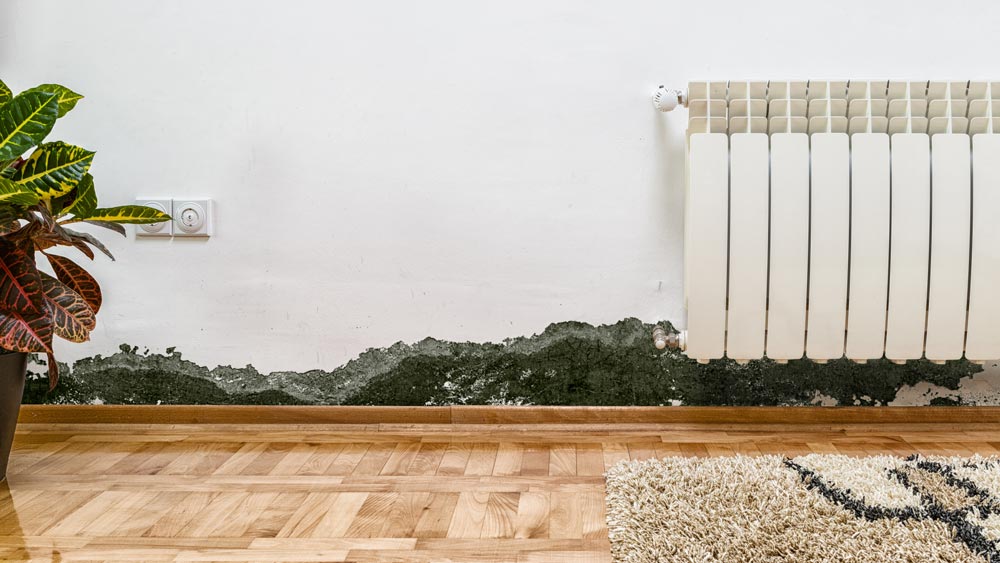
 5 Practical Tips to Prevent Dampness & Mold in Your CabinA cozy cabin can quickly become unpleasant if damp and mold take hold. These five practical tips help keep humidity under control and protect wood, finishes, and indoor air quality.
 -
Home & Repair
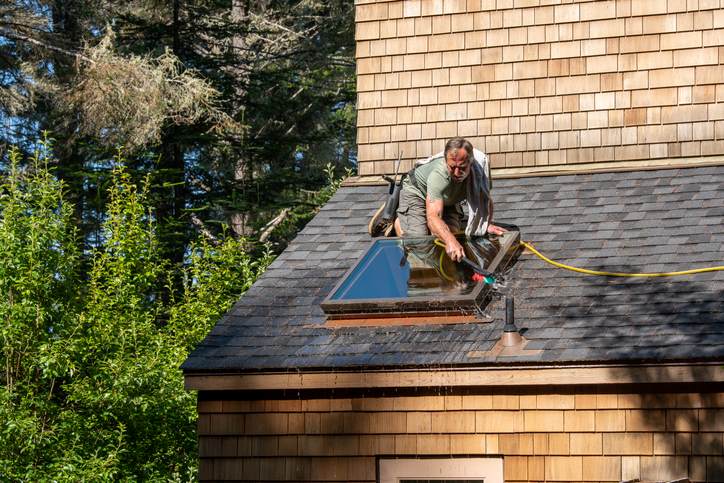
Spring Cabin Care: Window Cleaning, Roof Check & Yard Refresh TipsSpring is the perfect time to give your cabin a fresh start after the long winter. With a few simple maintenance tasks, you can brighten your living space, protect your structure, and make your outdoor area ready for warmer days. Here are some essential spring cleaning and maintenance tips for your cabin.
-
Home & Repair
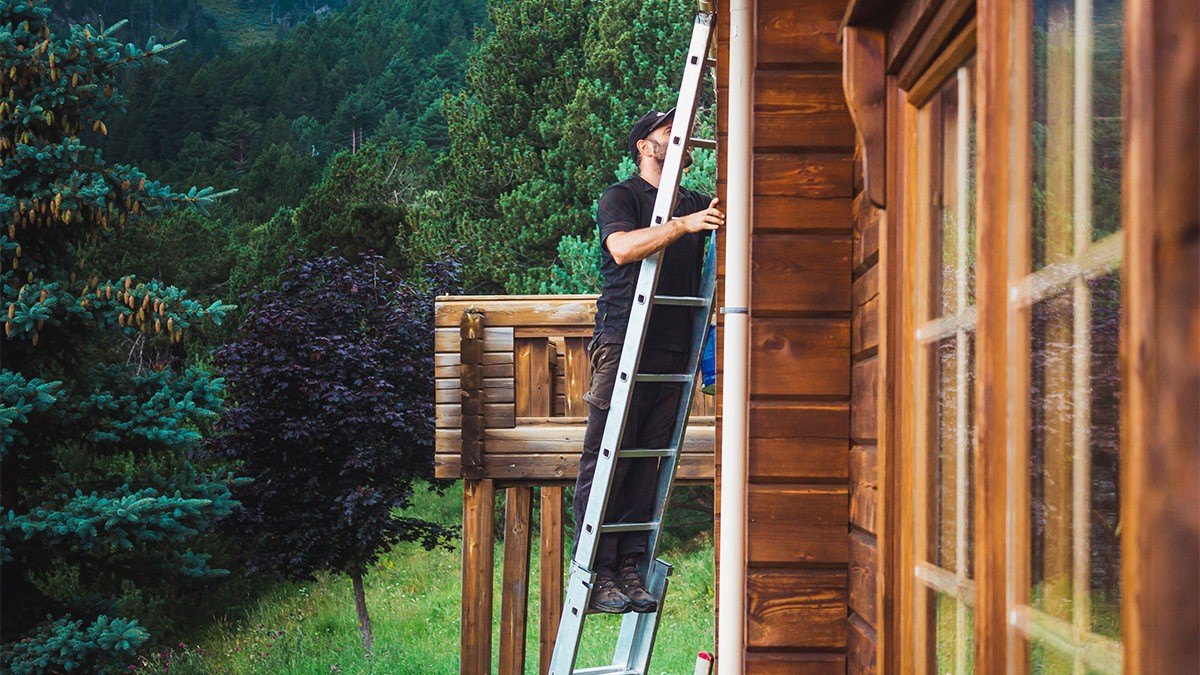
Wood Cabin Maintenance Guide: Smart Tips to Extend the Life of Your TimberA wooden cabin has natural warmth and charm, but wood requires regular care to stay strong and beautiful. Proper maintenance helps prevent decay, cracks, and insect damage while keeping your cabin looking timeless. Here are some smart tips to extend the lifespan of your wooden structure.