5 Practical Tips to Prevent Dampness & Mold in Your Cabin
ADVERTISEMENT
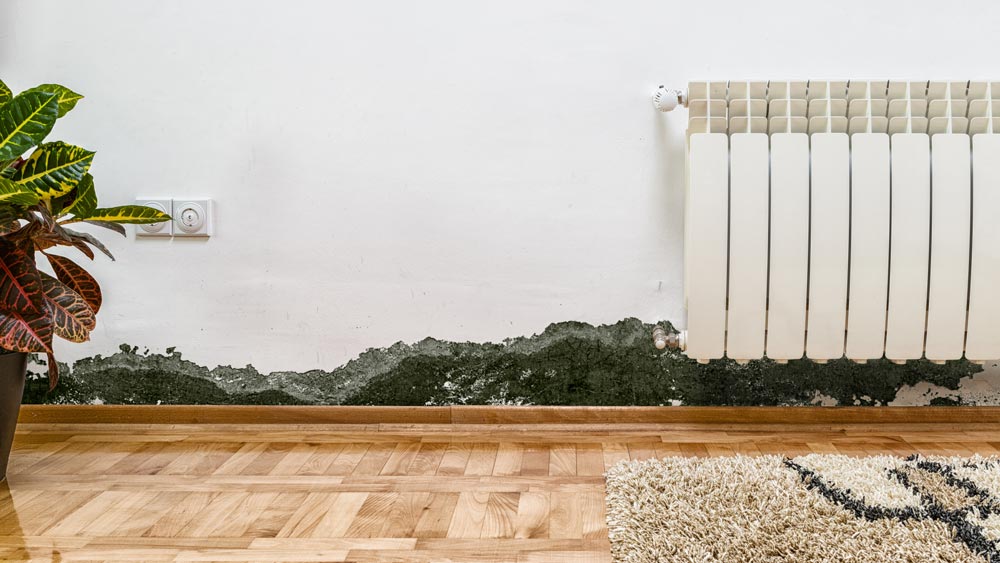
A cozy cabin can quickly become unpleasant if damp and mold take hold. These five practical tips help keep humidity under control and protect wood, finishes, and indoor air quality.
- Improve ventilation — let moisture escape Good airflow is the simplest long-term defense. Make sure windows, vents, and roof/soffit vents are unobstructed. Consider adding ridge vents or powered attic vents if your cabin has an attic space. Tip: Install trickle vents on windows or use a timed exhaust fan in bathrooms and kitchens to remove moist air after cooking or showering.
- Control indoor humidity with a dehumidifier Aim to keep indoor relative humidity between 30%–50%. A portable dehumidifier or a whole-cabin unit is effective in damp climates or during wet seasons. Tip: Place a hygrometer in main living areas to monitor humidity and run the dehumidifier automatically when levels rise.
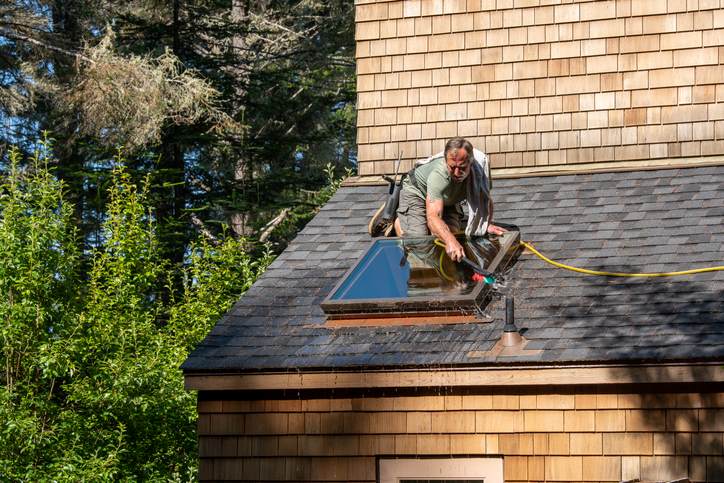
- Protect the building envelope — stop water at the source Water intrusion is a primary cause of damp and mold. Maintain the roof, gutters, flashing, and siding. Ensure downspouts route water well away from the foundation. Tip: Use breathable exterior stains or paints and apply water-repellent sealers to exposed wood. Fix leaks immediately — even small leaks lead to mold over time.
- Raise and insulate — reduce ground moisture and thermal bridging If possible, elevate the cabin on piers or a ventilated crawlspace to keep the floor structure dry. Good insulation and a vapor-control layer reduce condensation on cold surfaces. Tip: Install a vapour barrier in crawlspaces and ensure underfloor vents remain clear. Insulate cold pipes to prevent condensation.
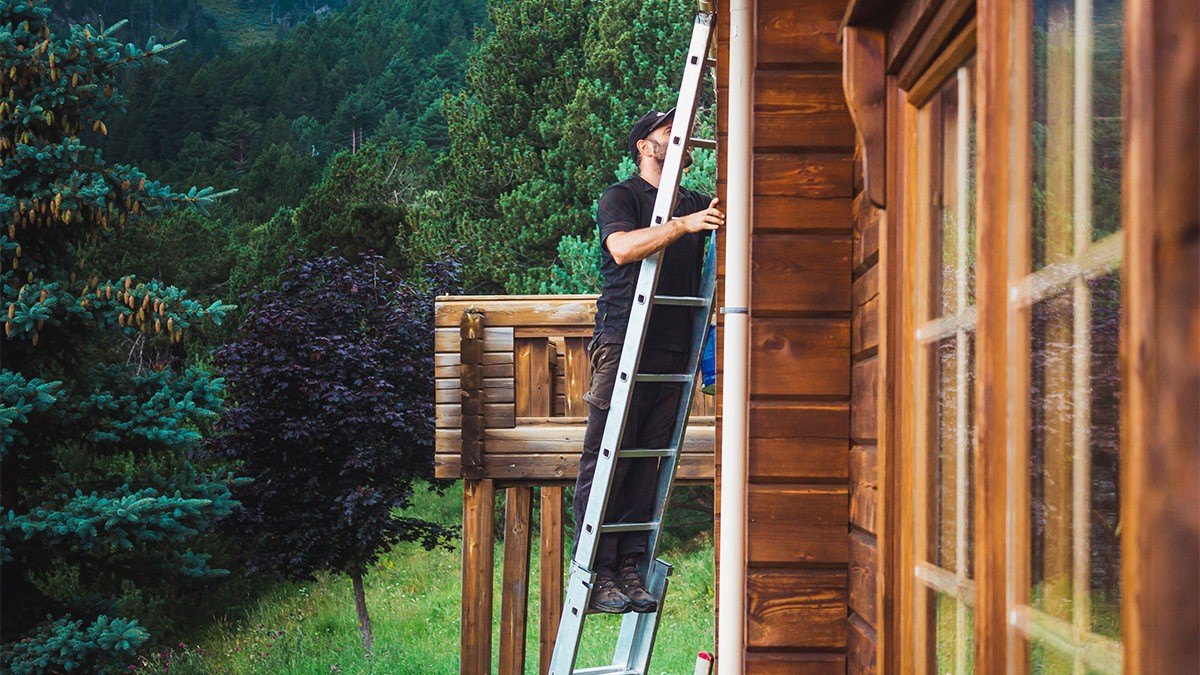
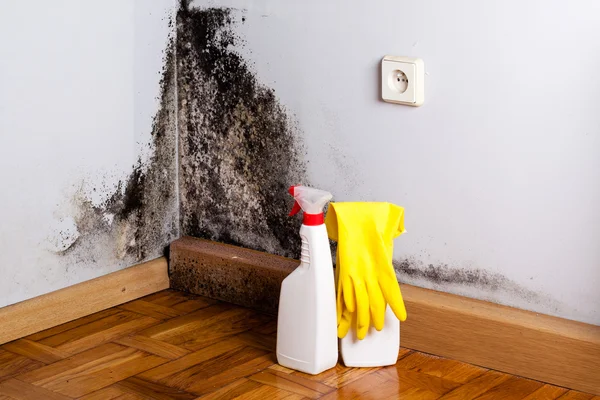
- Routine inspection & quick maintenance Regular checks catch problems early. Look for peeling paint, discolored wood, musty smells, or visible mold. Clean gutters seasonally and inspect roof and foundation after storms. Tip: Create a simple checklist and inspect your cabin at least twice a year—after winter and after the rainy season.
Quick checklist
- Install/clean vents and use exhaust fans when needed.
- Monitor humidity with a hygrometer; use a dehumidifier if >50%.
- Repair leaks, maintain gutters, and direct water away from the cabin.
- Elevate structure or ventilate crawlspace; use a vapour barrier where appropriate.
- Inspect twice a year and act on early signs of damp or mold.
Keeping a cabin dry is about prevention and routine care. Apply these five tips, and your cabin will stay comfortable and mold-free for years.
Popular Articles
-
Home & Repair
 Spring Cabin Care: Window Cleaning, Roof Check & Yard Refresh TipsSpring is the perfect time to give your cabin a fresh start after the long winter. With a few simple maintenance tasks, you can brighten your living space, protect your structure, and make your outdoor area ready for warmer days. Here are some essential spring cleaning and maintenance tips for your cabin.
 -
Home & Repair
Wood Cabin Maintenance Guide: Smart Tips to Extend the Life of Your TimberA wooden cabin has natural warmth and charm, but wood requires regular care to stay strong and beautiful. Proper maintenance helps prevent decay, cracks, and insect damage while keeping your cabin looking timeless. Here are some smart tips to extend the lifespan of your wooden structure.
-
Lifestyle
Home Electrical and Plumbing Troubleshooting GuideThis guide will help you perform simple self-checks on your home’s electrical and plumbing systems safely and efficiently.