Blending Nature and Architecture: The Rise of Biophilic Cabin Design
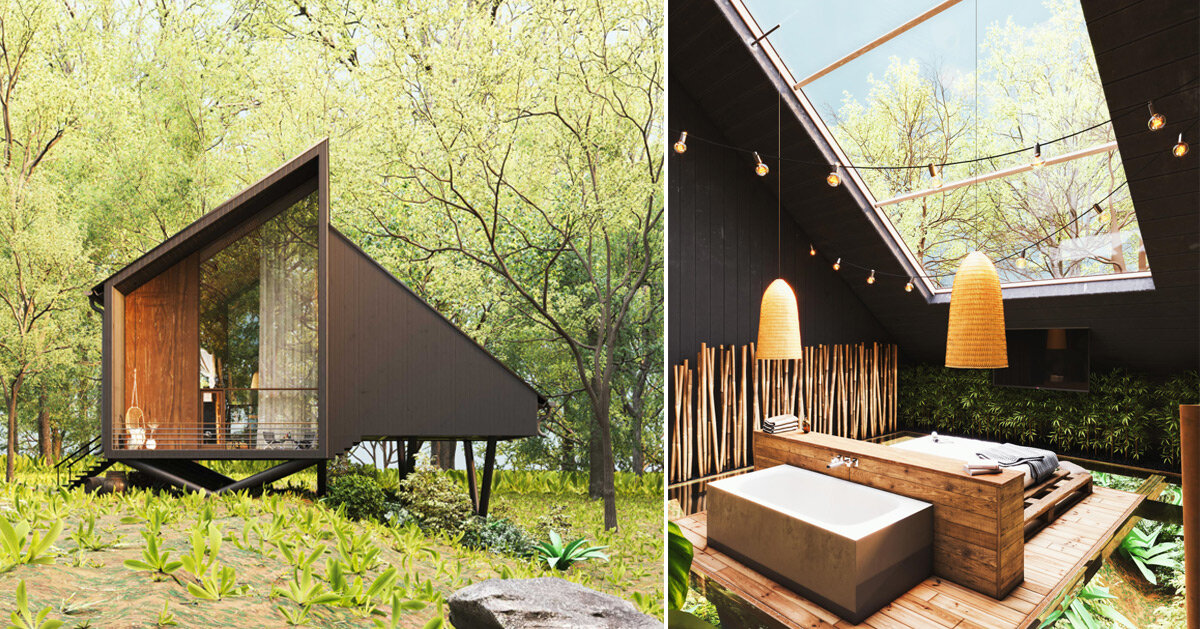
Biophilic design is transforming the way cabins are conceived by emphasizing the innate human connection to nature. This approach integrates natural elements, light, and views into architectural design to enhance wellbeing, comfort, and aesthetic appeal. Biophilic cabin design allows inhabitants to experience the outdoors from the comfort of a thoughtfully crafted interior.
1. What is Biophilic Design?
Biophilic design focuses on creating spaces that connect people with nature. This includes incorporating natural materials, greenery, water features, sunlight, and organic shapes. In cabins, biophilic design enhances relaxation, reduces stress, and promotes a sense of harmony with the surrounding environment.
2. Integrating Natural Materials
Wood, stone, bamboo, and other natural materials form the foundation of a biophilic cabin. Exposed beams, timber walls, and stone accents evoke warmth and tactile connection. Using locally sourced materials not only supports sustainability but also ensures the cabin blends seamlessly with its natural setting.
3. Maximizing Natural Light
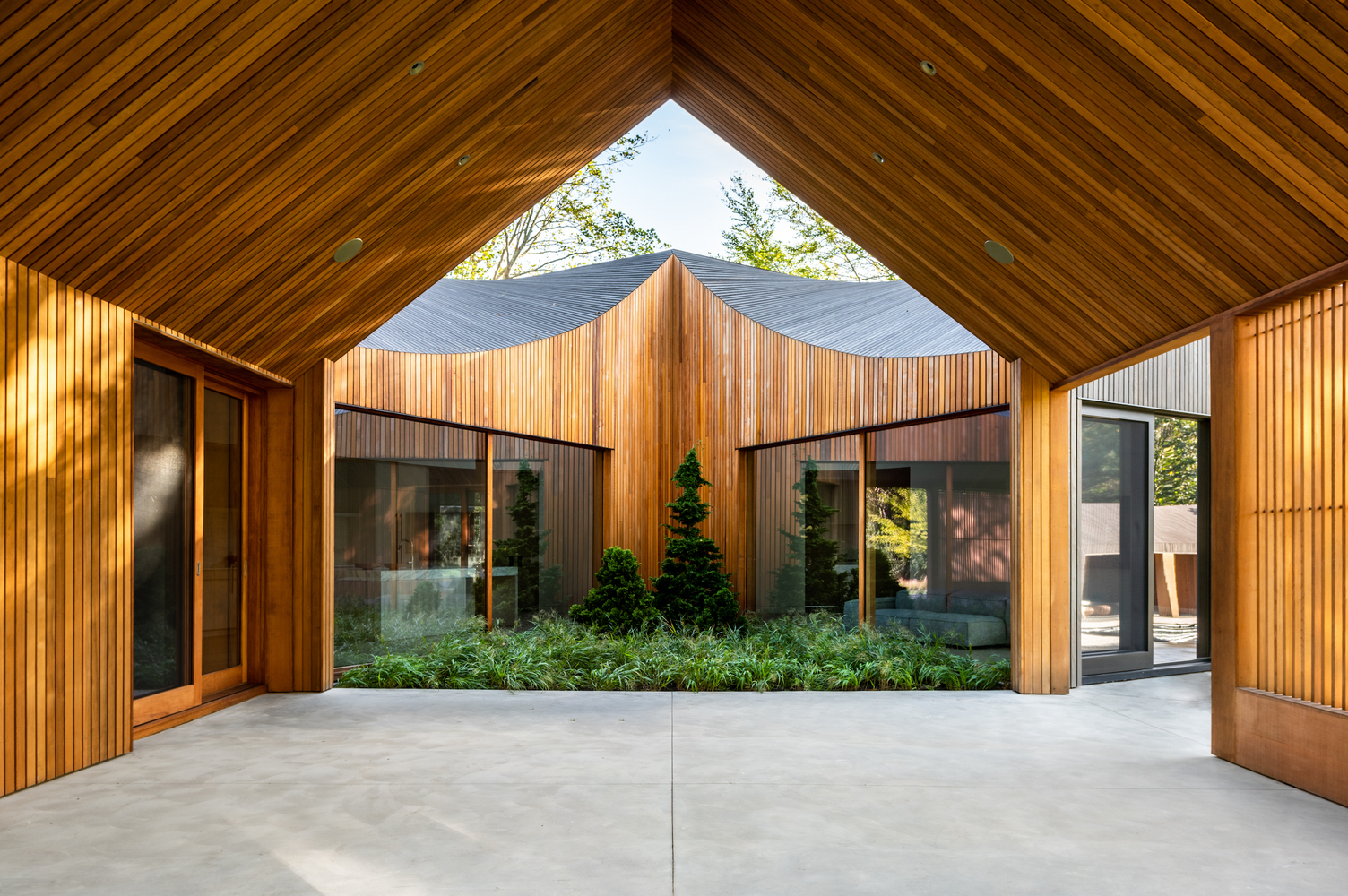
Large windows, skylights, and glass doors bring daylight into the cabin, creating a sense of openness. Sunlight enhances mood and illuminates natural textures. Orientation and window placement should consider seasonal light patterns to optimize energy efficiency and comfort throughout the year.
4. Incorporating Greenery
Indoor plants, vertical gardens, and small herb corners introduce life and improve air quality. Outdoor landscaping with native flora extends the natural connection beyond the cabin walls. Greenery softens hard edges, provides visual interest, and strengthens the feeling of being immersed in nature.
5. Water Elements and Natural Sounds
Incorporating water features like small fountains, ponds, or even reflective pools adds tranquility. The sound of flowing water enhances relaxation and reduces noise pollution. For cabins near natural water sources, framing views of rivers, lakes, or streams amplifies the biophilic experience.
6. Indoor-Outdoor Flow
Designing seamless transitions between interior and exterior spaces enhances the connection to nature. Decks, patios, and retractable doors create flexible living areas that bring the outdoors in. Natural flooring, similar textures, and coordinated materials unify indoor and outdoor spaces.
7. Sensory Experiences
Biophilic design engages multiple senses. Natural scents from wood and plants, varied textures underfoot, ambient lighting, and acoustic elements all contribute to a rich, immersive environment. Sensory engagement strengthens wellbeing and creates a memorable cabin experience.
8. Sustainability and Wellbeing
Biophilic cabins often integrate sustainable practices such as energy-efficient windows, passive heating, and renewable materials. Sustainability enhances occupant comfort while reducing environmental impact. Thoughtful design ensures cabins are not only beautiful but also functional and eco-friendly.
Final Thoughts
The rise of biophilic cabin design reflects a growing desire to reconnect with nature. By blending natural materials, daylight, greenery, and sensory elements into architectural design, cabins become sanctuaries of wellbeing. Biophilic design transforms ordinary retreats into spaces that nourish both body and mind, offering a true escape in harmony with the environment.
Popular Articles
-
Home & Repair
 5 Practical Tips to Prevent Dampness & Mold in Your CabinA cozy cabin can quickly become unpleasant if damp and mold take hold. These five practical tips help keep humidity under control and protect wood, finishes, and indoor air quality.
 -
Home & Repair
Spring Cabin Care: Window Cleaning, Roof Check & Yard Refresh TipsSpring is the perfect time to give your cabin a fresh start after the long winter. With a few simple maintenance tasks, you can brighten your living space, protect your structure, and make your outdoor area ready for warmer days. Here are some essential spring cleaning and maintenance tips for your cabin.
-
Home & Repair
Wood Cabin Maintenance Guide: Smart Tips to Extend the Life of Your TimberA wooden cabin has natural warmth and charm, but wood requires regular care to stay strong and beautiful. Proper maintenance helps prevent decay, cracks, and insect damage while keeping your cabin looking timeless. Here are some smart tips to extend the lifespan of your wooden structure.