Cross-Laminated Timber (CLT) — The Game-Changer in Modern Wood Construction
Cross-Laminated Timber (CLT) is revolutionizing modern wood construction by combining strength, sustainability, and versatility. Engineered from layers of solid wood panels glued perpendicular to each other, CLT offers structural stability and design flexibility that traditional timber cannot match. This innovative material is transforming the way architects and builders approach cabin, residential, and commercial projects.
1. What is CLT?
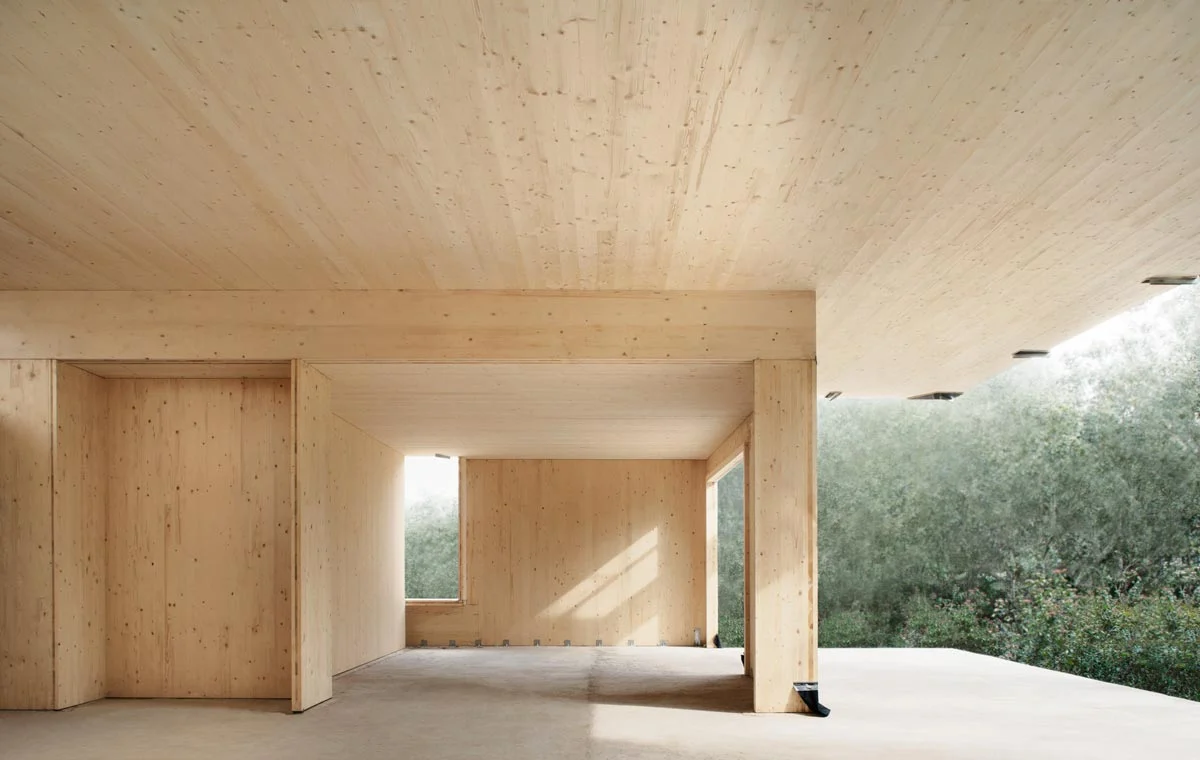
CLT consists of multiple layers of lumber stacked crosswise and bonded with structural adhesives. This cross-laminated arrangement distributes loads evenly, making it strong in multiple directions while remaining lightweight. The precision manufacturing process ensures dimensional stability and reduces construction errors.
2. Advantages of Using CLT
- Strength and Durability: CLT panels offer high load-bearing capacity, making them suitable for walls, floors, and roofs.
- Sustainability: Made from renewable timber, CLT has a lower carbon footprint than concrete or steel construction.
- Speed of Construction: Prefabricated panels can be quickly assembled on-site, reducing labor costs and construction time.
- Design Flexibility: CLT allows for large open spaces, curved panels, and creative architectural designs without compromising structural integrity.
- Fire Resistance: Surprisingly, large timber panels char on the surface and retain structural strength longer than unprotected steel in a fire.
3. CLT in Cabin Construction
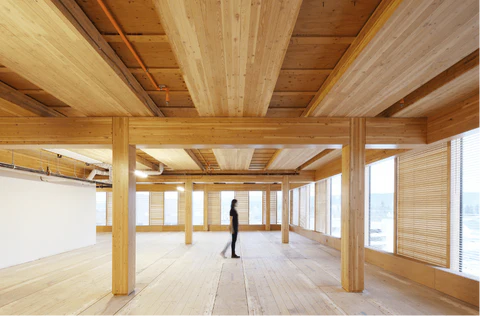
For cabins and small retreats, CLT offers a unique blend of natural aesthetics and modern performance. Large CLT panels can create open interiors, high ceilings, and seamless walls. Its precision allows for tight joints and energy-efficient envelopes, improving insulation and comfort.
4. Environmental Benefits
CLT is an eco-friendly choice due to its renewable sourcing and carbon storage properties. Using sustainably harvested wood reduces reliance on concrete and steel, which are energy-intensive. CLT panels also generate less waste, and their prefabrication minimizes on-site environmental disruption.
5. Construction and Installation Tips
Successful CLT projects rely on careful planning and skilled installation. Panels are typically manufactured off-site and delivered ready to assemble. Proper sealing, moisture protection, and connection details are essential for long-term performance. Coordination between designers, engineers, and contractors ensures structural safety and aesthetic quality.
6. Cost Considerations
While CLT panels may have higher upfront costs than conventional lumber, savings in labor, construction speed, and energy efficiency often offset the investment. Long-term durability and reduced maintenance make CLT a cost-effective solution over the cabin’s lifespan.
7. Future of CLT in Modern Construction
CLT is increasingly used in mid-rise buildings, commercial structures, and sustainable housing projects. Its combination of strength, sustainability, and versatility positions it as a game-changer in modern architecture. For cabin enthusiasts, CLT provides an opportunity to blend traditional wood aesthetics with innovative, eco-conscious construction techniques.
Final Thoughts
Cross-Laminated Timber represents a significant advancement in wood construction. Its strength, environmental benefits, and design flexibility make it ideal for modern cabins and sustainable buildings. By embracing CLT, builders and designers can create structures that are not only durable and efficient but also beautiful and environmentally responsible.
Popular Articles
-
Home & Repair
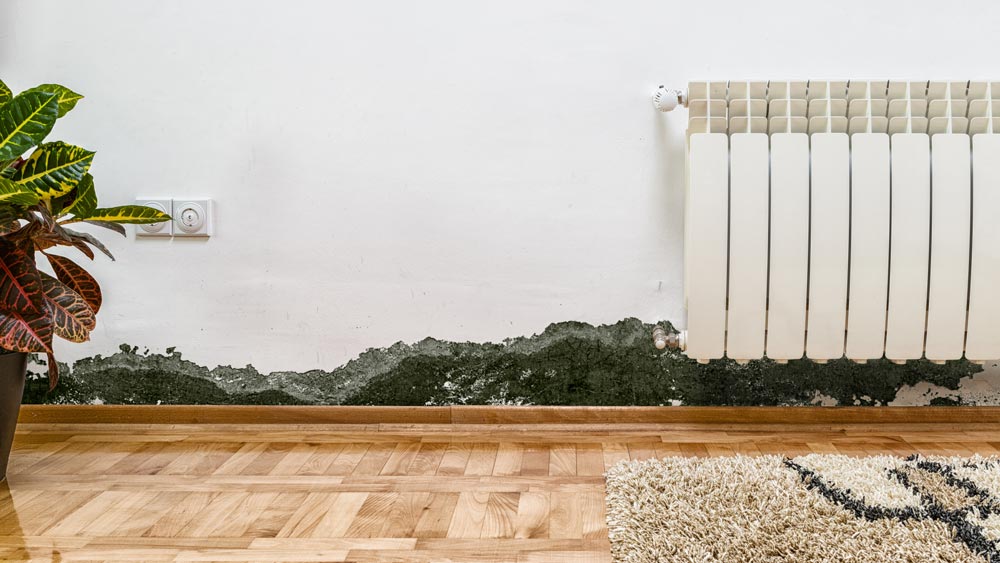
 5 Practical Tips to Prevent Dampness & Mold in Your CabinA cozy cabin can quickly become unpleasant if damp and mold take hold. These five practical tips help keep humidity under control and protect wood, finishes, and indoor air quality.
 -
Home & Repair
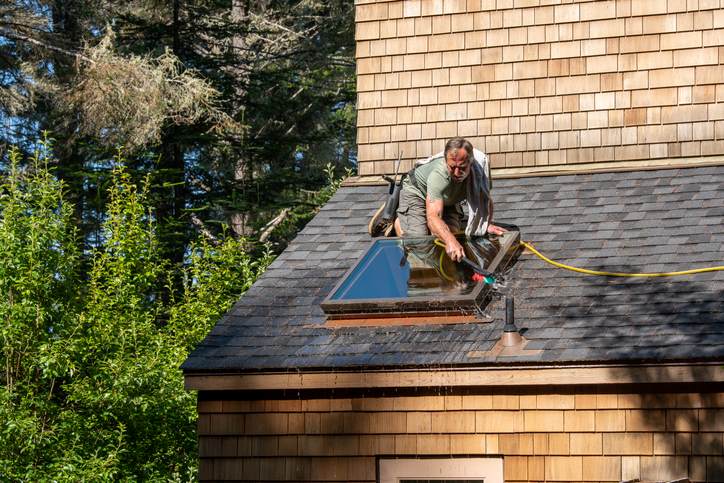
Spring Cabin Care: Window Cleaning, Roof Check & Yard Refresh TipsSpring is the perfect time to give your cabin a fresh start after the long winter. With a few simple maintenance tasks, you can brighten your living space, protect your structure, and make your outdoor area ready for warmer days. Here are some essential spring cleaning and maintenance tips for your cabin.
-
Home & Repair
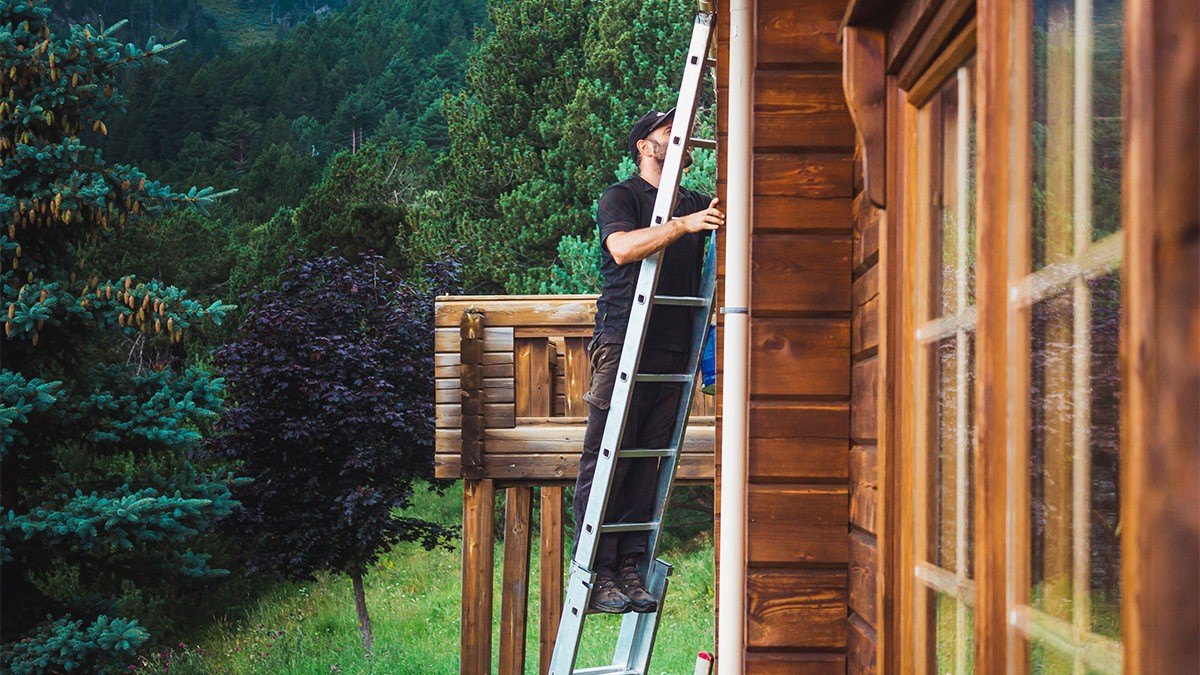
Wood Cabin Maintenance Guide: Smart Tips to Extend the Life of Your TimberA wooden cabin has natural warmth and charm, but wood requires regular care to stay strong and beautiful. Proper maintenance helps prevent decay, cracks, and insect damage while keeping your cabin looking timeless. Here are some smart tips to extend the lifespan of your wooden structure.