Eco-Friendly Renovations: Turning Old Cabins into Green Homes
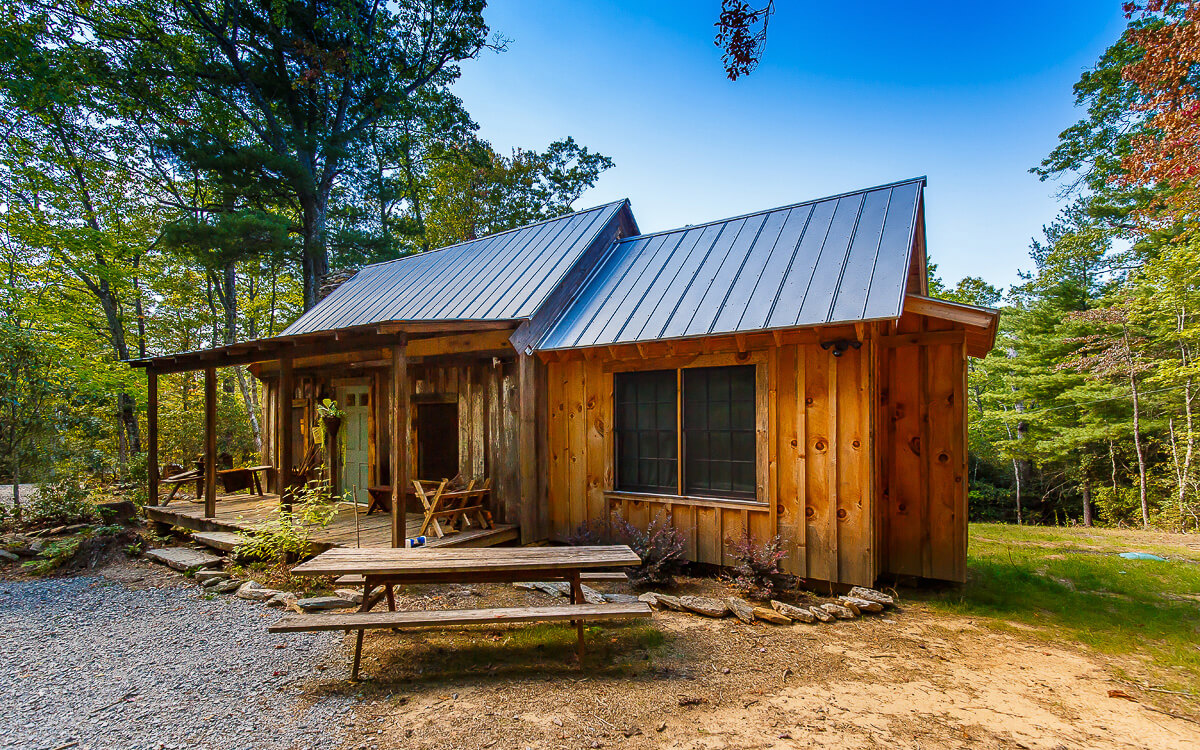
Renovating an old cabin into a sustainable, eco-friendly home combines the charm of rustic architecture with modern green living. By implementing energy-efficient systems, sustainable materials, and smart design choices, you can reduce environmental impact while improving comfort, safety, and functionality.
1. Assessing the Cabin
Start with a thorough assessment of the cabin’s current condition. Inspect structural integrity, roof, walls, floors, insulation, plumbing, and electrical systems. Identify areas needing repair, replacement, or upgrades. A detailed assessment helps prioritize renovations and ensures cost-effective eco-friendly improvements.
2. Improving Insulation and Energy Efficiency
Upgrade insulation in walls, roof, and floors using sustainable materials like sheep wool, recycled denim, or cellulose. Replace old windows and doors with energy-efficient models to minimize heat loss. Installing programmable thermostats and energy-efficient heating systems reduces energy consumption and increases comfort year-round.
3. Sustainable Materials and Finishes
Choose renewable, recycled, or low-VOC materials for flooring, walls, cabinetry, and furniture. Bamboo, reclaimed wood, cork, and natural stone are excellent eco-friendly options. Low-VOC paints and finishes improve indoor air quality while maintaining the cabin’s rustic charm.
4. Water Conservation
Implement water-saving measures such as low-flow faucets, showerheads, and toilets. Consider rainwater harvesting systems for irrigation or non-potable uses. Efficient plumbing and leak prevention enhance sustainability while lowering utility costs.
5. Renewable Energy Integration
Incorporate renewable energy systems like solar panels, wind turbines, or small-scale hydropower if feasible. Solar water heaters and energy-efficient appliances further reduce energy consumption. A combination of renewable systems can significantly decrease the cabin’s carbon footprint.
6. Smart Lighting and Ventilation
Replace incandescent bulbs with LED or solar-powered lighting. Maximize natural light through skylights and strategically placed windows. Improve ventilation with energy-efficient fans or passive ventilation systems to maintain indoor air quality without excessive energy use.
7. Landscaping and Outdoor Sustainability
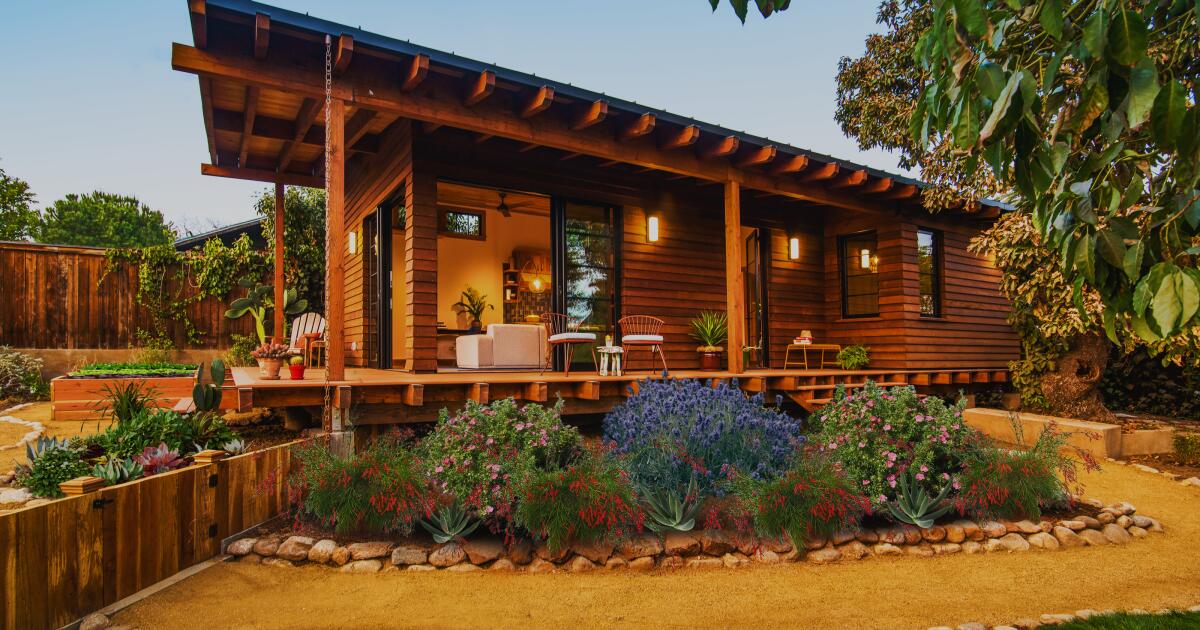
Use native plants, xeriscaping, and permeable pathways to reduce water usage and soil erosion. Incorporate composting and rain gardens to manage waste and stormwater naturally. Outdoor spaces should complement the cabin’s eco-friendly approach while enhancing aesthetics.
8. Maintenance and Longevity
Eco-friendly renovations are an ongoing commitment. Regular maintenance of insulation, roofing, water systems, and finishes ensures longevity and sustainability. Using durable, low-maintenance materials reduces waste and future repair needs.
Final Thoughts
Eco-friendly renovations transform old cabins into green, sustainable homes that balance comfort, functionality, and environmental responsibility. With thoughtful planning, energy-efficient upgrades, and sustainable materials, you can preserve the charm of a rustic cabin while contributing to a healthier planet. This approach allows you to enjoy modern conveniences while respecting nature.
Popular Articles
-
Home & Repair
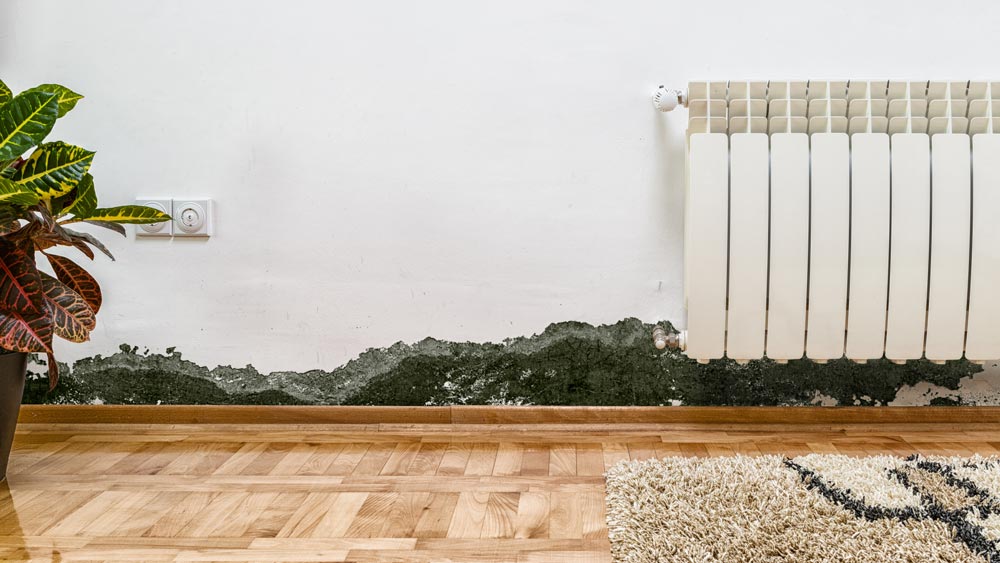
 5 Practical Tips to Prevent Dampness & Mold in Your CabinA cozy cabin can quickly become unpleasant if damp and mold take hold. These five practical tips help keep humidity under control and protect wood, finishes, and indoor air quality.
 -
Home & Repair
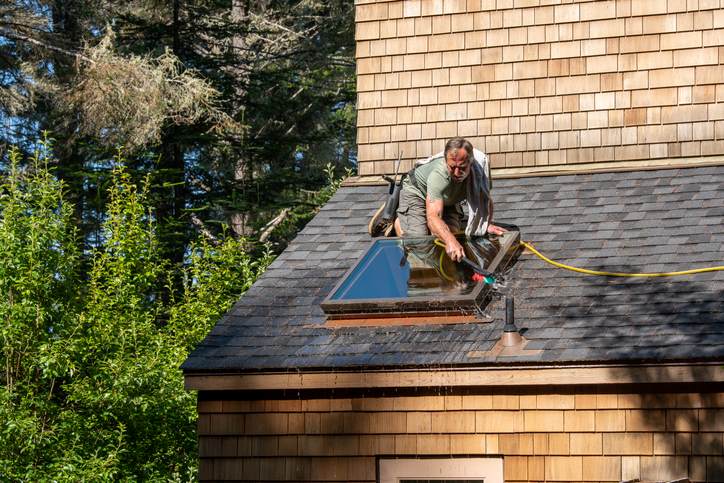
Spring Cabin Care: Window Cleaning, Roof Check & Yard Refresh TipsSpring is the perfect time to give your cabin a fresh start after the long winter. With a few simple maintenance tasks, you can brighten your living space, protect your structure, and make your outdoor area ready for warmer days. Here are some essential spring cleaning and maintenance tips for your cabin.
-
Home & Repair
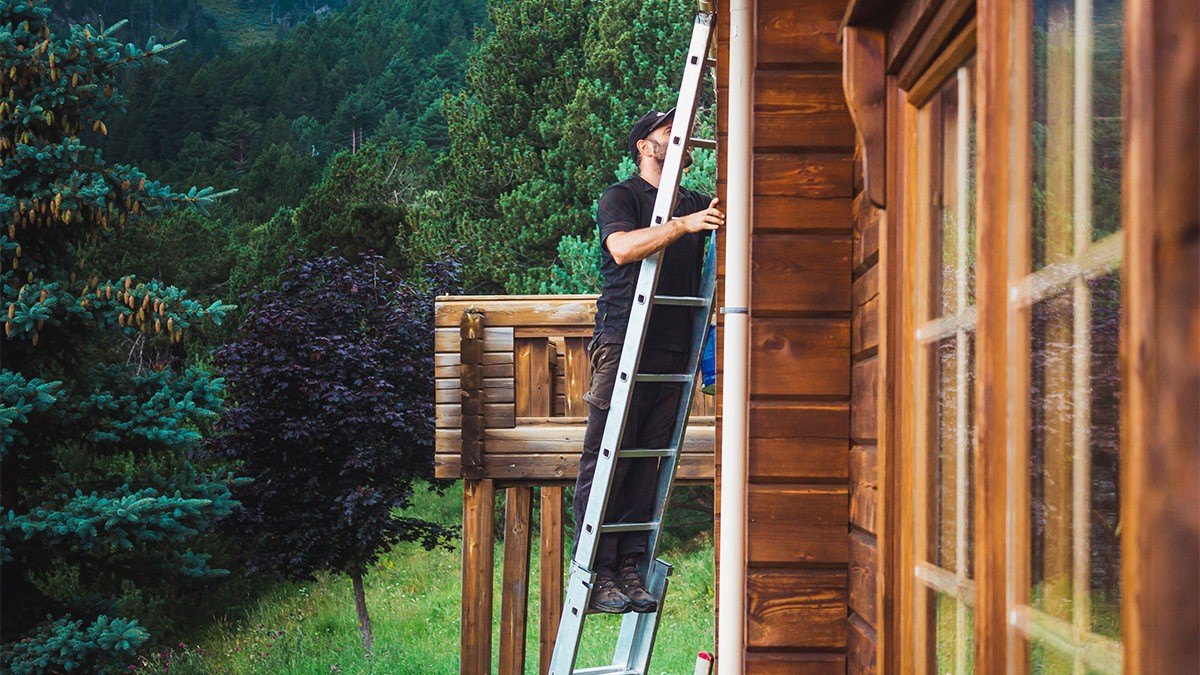
Wood Cabin Maintenance Guide: Smart Tips to Extend the Life of Your TimberA wooden cabin has natural warmth and charm, but wood requires regular care to stay strong and beautiful. Proper maintenance helps prevent decay, cracks, and insect damage while keeping your cabin looking timeless. Here are some smart tips to extend the lifespan of your wooden structure.