Floating and Mobile Cabins: Mobility Meets Sustainability
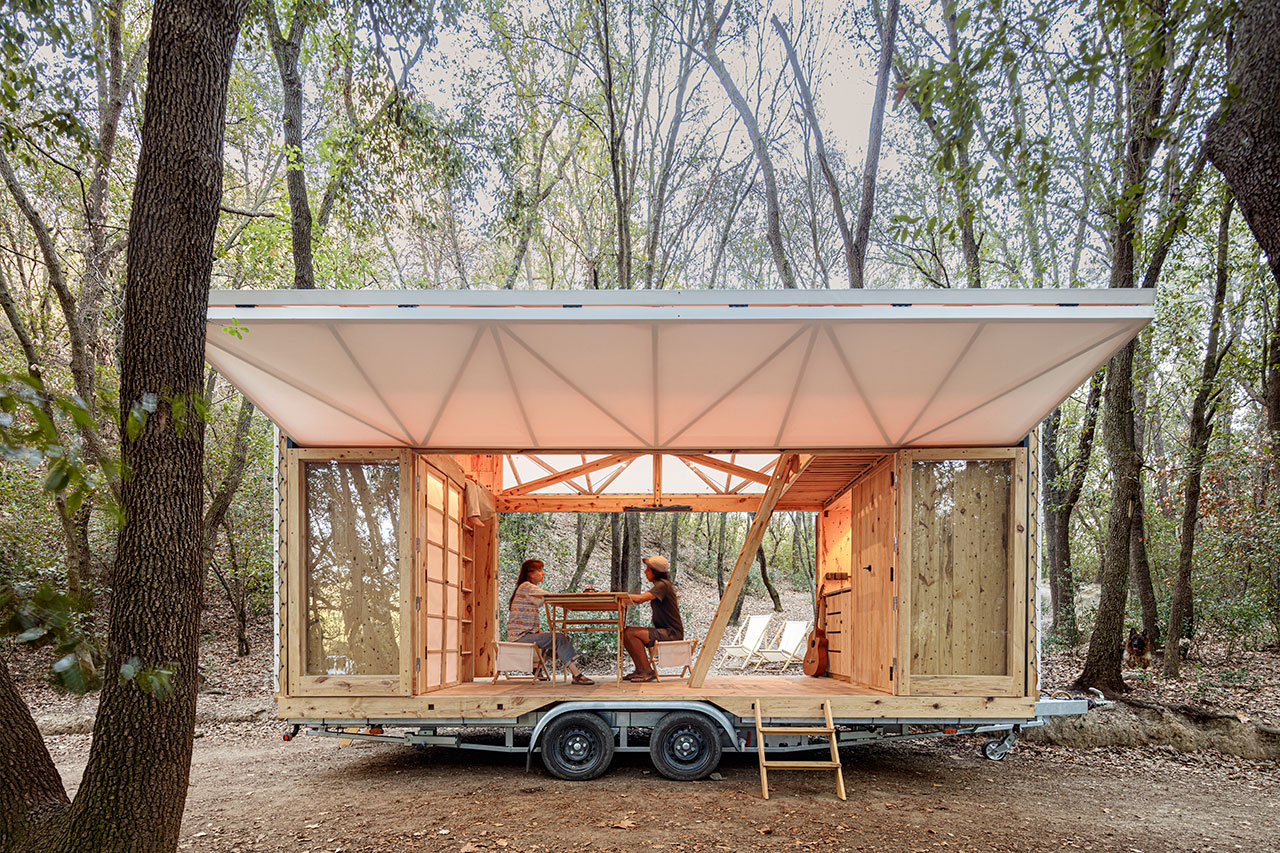
Floating and mobile cabins offer a unique approach to sustainable living by combining flexibility, minimal environmental impact, and modern design. These cabins allow homeowners to enjoy nature without permanent construction, while embracing eco-friendly building practices.
1. Introduction to Floating and Mobile Cabins
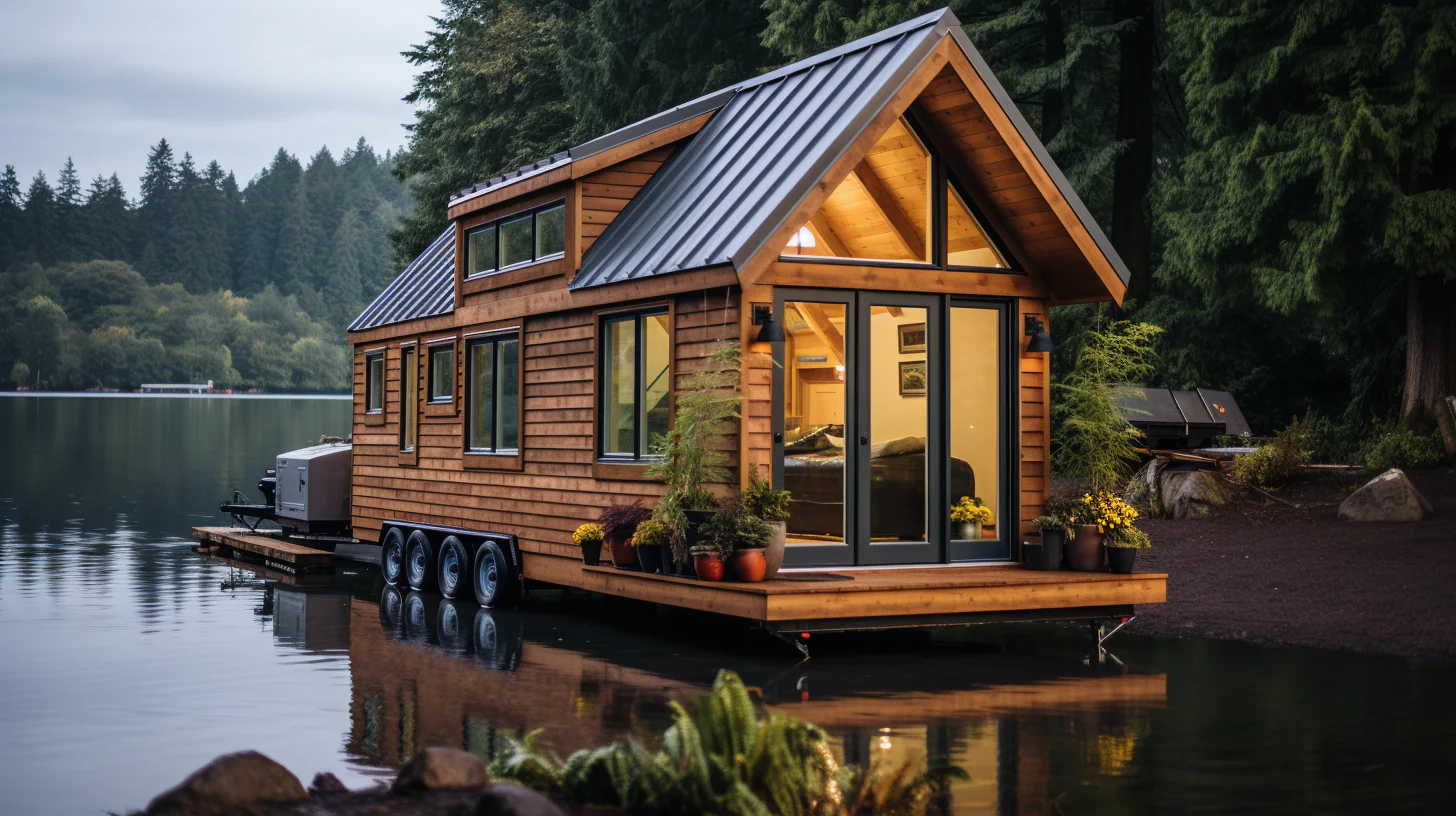
Floating cabins are built on water platforms, such as pontoons or rafts, allowing them to rest on lakes, rivers, or coastal areas. Mobile cabins, including tiny homes on wheels, can be transported to different locations as needed. Both types emphasize adaptability, efficiency, and connection with the environment.
2. Advantages of Mobility
- Flexible Living: Move the cabin seasonally or relocate as life circumstances change.
- Minimal Land Impact: Avoid permanent excavation or disruption of natural landscapes.
- Adaptable Lifestyle: Mobile cabins accommodate changing family sizes or recreational needs.
3. Sustainability Considerations
Floating and mobile cabins can be designed with renewable materials, energy-efficient systems, and low-impact waste solutions. Solar panels, rainwater harvesting, and composting toilets help maintain a self-sufficient, environmentally conscious footprint.
4. Design Challenges and Solutions
Designing mobile or floating cabins requires attention to stability, insulation, and utilities. Lightweight, durable materials such as cross-laminated timber or composite panels are ideal. Proper anchoring for floating cabins and secure wheel bases for mobile homes ensure safety. Compact, modular layouts maximize space efficiency.
5. Interior and Exterior Considerations
Interior layouts should focus on multifunctional furniture, efficient storage, and light-filled spaces. Outdoor decks, retractable awnings, or rooftop terraces enhance living space and provide connection to nature. Floating cabins may include water access points, while mobile cabins benefit from fold-out patios or extensions.
6. Legal and Logistical Aspects
Check local zoning, waterway regulations, and road transport rules before installing a floating or mobile cabin. Compliance ensures legal operation, safety, and peace of mind. Planning logistics for seasonal movement or water placement is also essential.
7. Environmental and Lifestyle Benefits
These cabins encourage low-impact living and sustainable resource use. They foster a deep connection to natural surroundings while providing comfortable, modern accommodations. Mobility and flexibility allow owners to adapt to different environments while minimizing ecological disruption.
Final Thoughts
Floating and mobile cabins merge sustainability, adaptability, and design innovation. They offer an eco-friendly alternative to traditional housing while enhancing lifestyle flexibility. With thoughtful planning, renewable materials, and smart design, these cabins provide a unique and environmentally responsible way to experience nature without permanent impact.
Popular Articles
-
Home & Repair
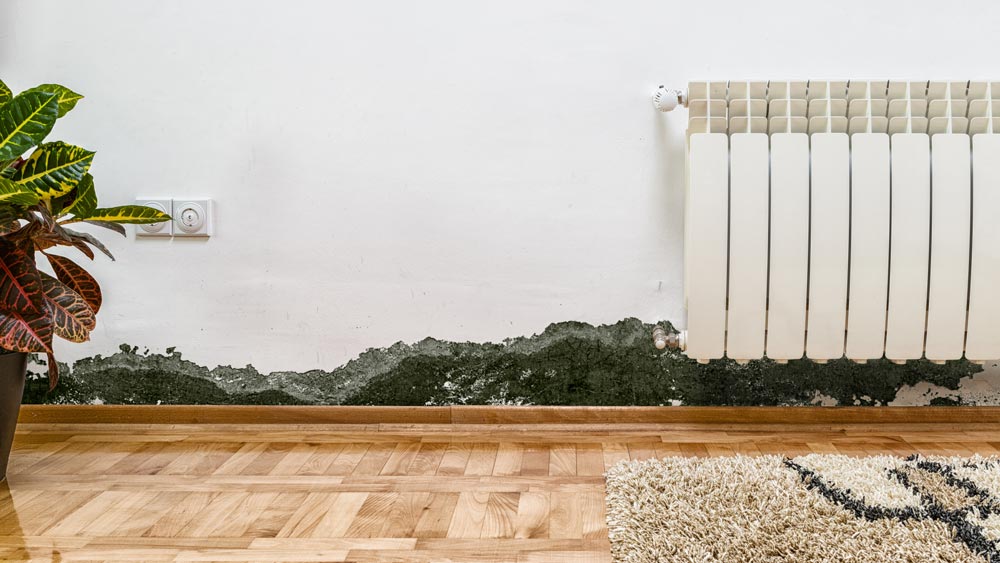
 5 Practical Tips to Prevent Dampness & Mold in Your CabinA cozy cabin can quickly become unpleasant if damp and mold take hold. These five practical tips help keep humidity under control and protect wood, finishes, and indoor air quality.
 -
Home & Repair
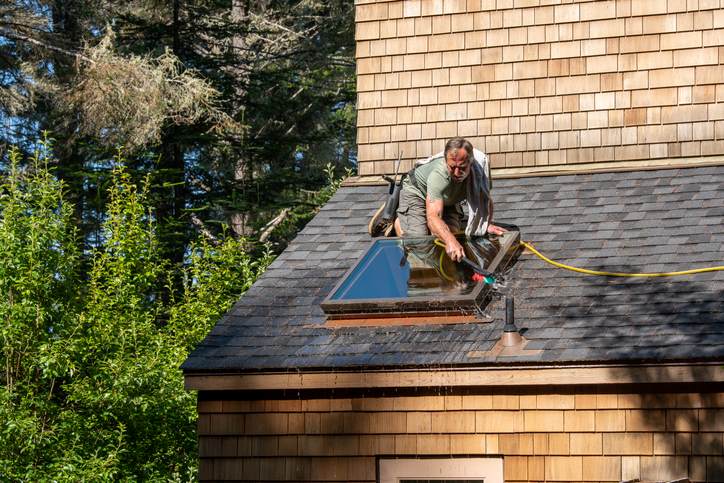
Spring Cabin Care: Window Cleaning, Roof Check & Yard Refresh TipsSpring is the perfect time to give your cabin a fresh start after the long winter. With a few simple maintenance tasks, you can brighten your living space, protect your structure, and make your outdoor area ready for warmer days. Here are some essential spring cleaning and maintenance tips for your cabin.
-
Home & Repair
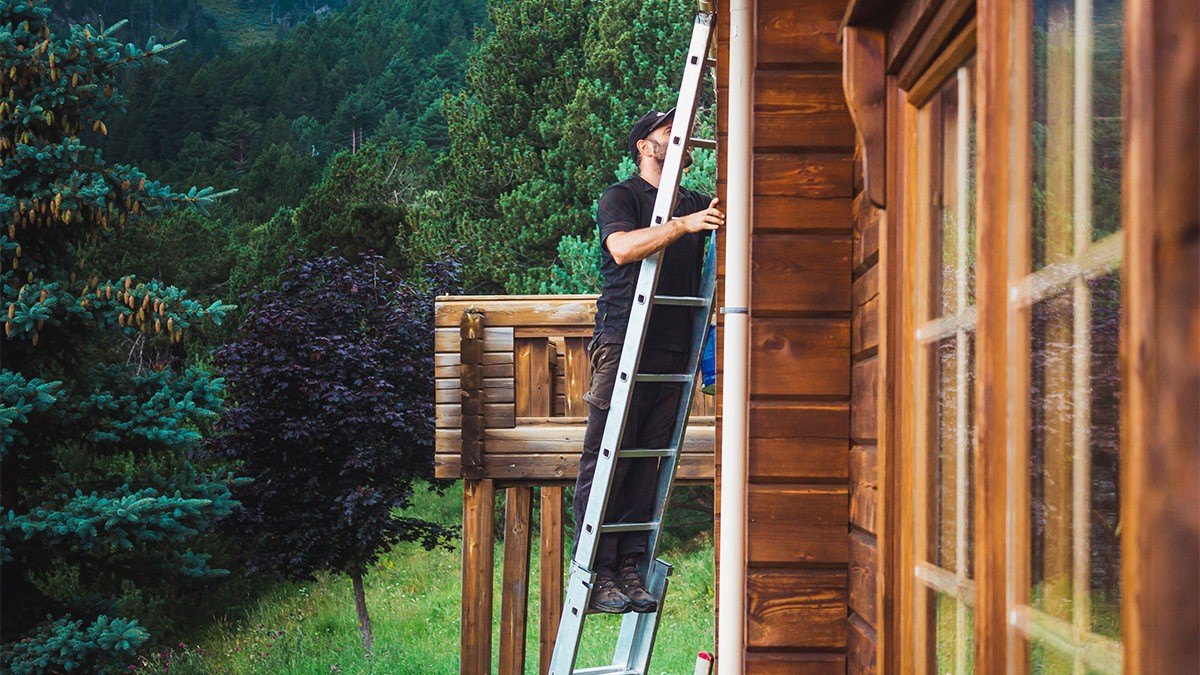
Wood Cabin Maintenance Guide: Smart Tips to Extend the Life of Your TimberA wooden cabin has natural warmth and charm, but wood requires regular care to stay strong and beautiful. Proper maintenance helps prevent decay, cracks, and insect damage while keeping your cabin looking timeless. Here are some smart tips to extend the lifespan of your wooden structure.