AI-Assisted Design: How Artificial Intelligence Shapes Home Architecture

Artificial intelligence (AI) is transforming the field of home architecture by enabling smarter, more efficient, and personalized designs. AI-assisted design tools help architects, designers, and homeowners create functional, aesthetic, and sustainable living spaces that respond to specific needs and environmental conditions.
1. Introduction to AI in Architecture
AI uses machine learning, data analysis, and predictive algorithms to assist in the design process. By analyzing patterns, preferences, and constraints, AI can generate optimized floor plans, suggest material choices, and simulate structural performance. This technology enhances creativity while streamlining planning and decision-making.
2. Benefits of AI-Assisted Home Design
- Efficiency: AI accelerates the design process by automating repetitive tasks and providing data-driven recommendations.
- Personalization: Homeowners can receive designs tailored to their lifestyle, space requirements, and aesthetic preferences.
- Cost Savings: Optimized layouts and material recommendations reduce waste and construction costs.
- Sustainability: AI can suggest energy-efficient solutions, passive heating/cooling strategies, and eco-friendly materials.
3. AI-Driven Design Tools
Modern design software integrates AI to provide tools such as:
- Automatic floor plan generation based on site constraints.
- Material optimization for cost and environmental impact.
- 3D modeling and virtual reality simulations for immersive previews.
- Performance analysis for energy efficiency, lighting, and airflow.
4. Applications in Cabin and Residential Design
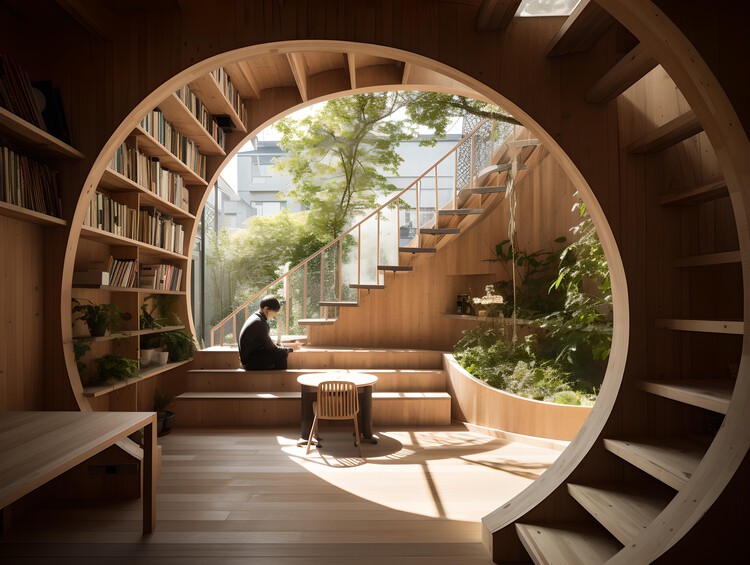
AI-assisted tools are particularly useful in cabin and residential projects. Designers can quickly adapt plans to irregular terrains, optimize small spaces, and integrate sustainable solutions. AI can also suggest layouts that maximize natural light, views, and ventilation, enhancing comfort and well-being.
5. Collaboration Between Humans and AI
While AI provides powerful insights, human creativity and judgment remain essential. Architects and homeowners use AI as a co-designer, refining AI-generated proposals to ensure they meet aesthetic, cultural, and functional requirements. This collaboration produces innovative yet practical designs.
6. Future of AI in Home Architecture
AI is expected to further revolutionize architecture with predictive analytics, adaptive design, and real-time environmental monitoring. Future homes may self-optimize layouts, materials, and energy systems, offering highly personalized, sustainable, and intelligent living spaces.
Final Thoughts
AI-assisted design is reshaping home architecture by merging data-driven efficiency with creative freedom. From optimizing layouts to enhancing sustainability, AI empowers architects and homeowners to create smarter, more comfortable, and eco-friendly homes. Embracing AI tools opens new possibilities for innovative and tailored residential design.
Popular Articles
-
Home & Repair
 5 Practical Tips to Prevent Dampness & Mold in Your CabinA cozy cabin can quickly become unpleasant if damp and mold take hold. These five practical tips help keep humidity under control and protect wood, finishes, and indoor air quality.
 -
Home & Repair
Spring Cabin Care: Window Cleaning, Roof Check & Yard Refresh TipsSpring is the perfect time to give your cabin a fresh start after the long winter. With a few simple maintenance tasks, you can brighten your living space, protect your structure, and make your outdoor area ready for warmer days. Here are some essential spring cleaning and maintenance tips for your cabin.
-
Home & Repair
Wood Cabin Maintenance Guide: Smart Tips to Extend the Life of Your TimberA wooden cabin has natural warmth and charm, but wood requires regular care to stay strong and beautiful. Proper maintenance helps prevent decay, cracks, and insect damage while keeping your cabin looking timeless. Here are some smart tips to extend the lifespan of your wooden structure.