Open-Concept Cabin Spaces: Bringing Light and Air Indoors
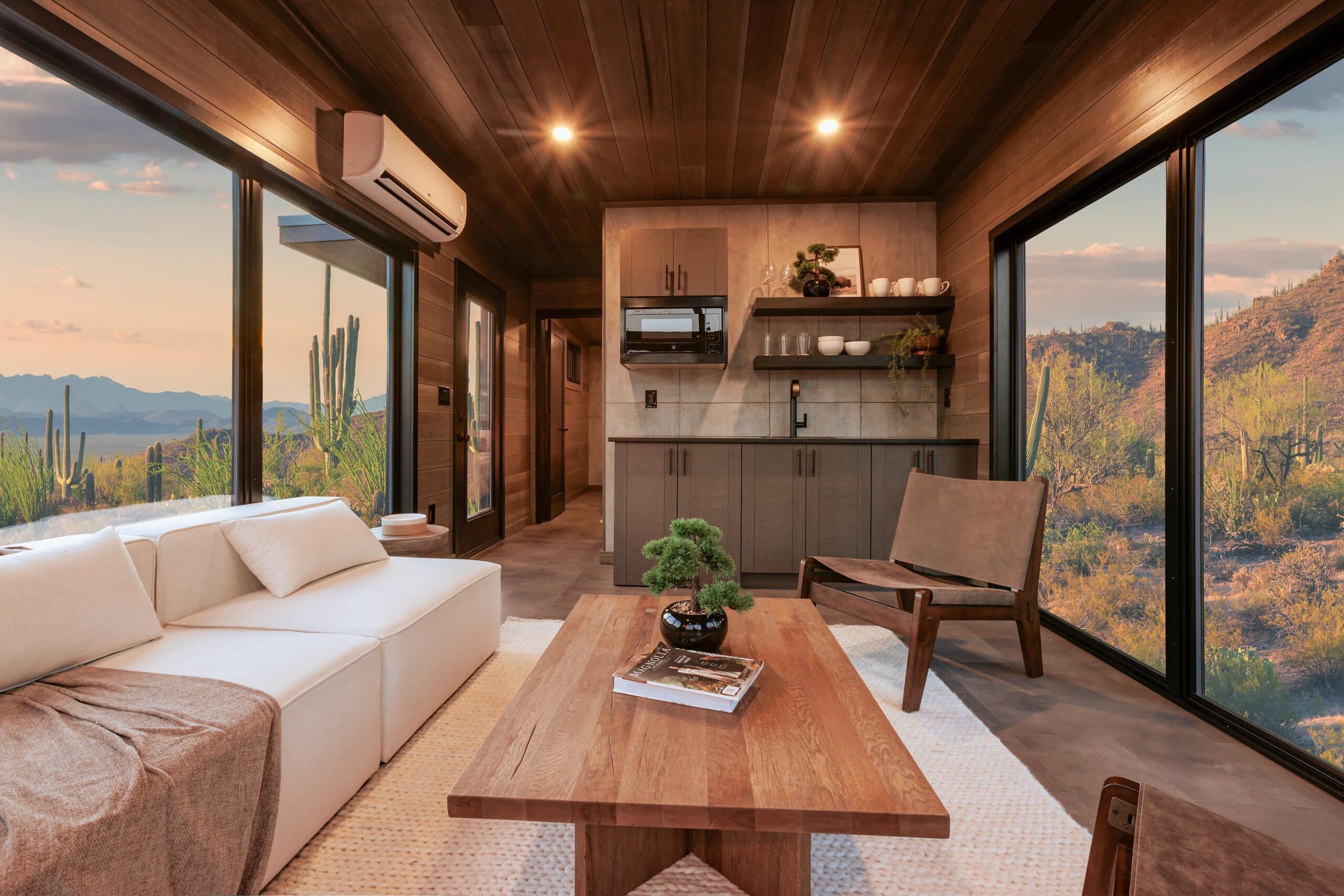
Open-concept design has become increasingly popular in cabin architecture, offering a sense of spaciousness, improved natural light, and better airflow. By removing unnecessary walls and thoughtfully arranging functional areas, cabins can feel larger, more inviting, and better connected to the surrounding environment.
1. Benefits of Open-Concept Design
Open-concept cabins create a flexible, multifunctional space. Without walls separating living, dining, and kitchen areas, natural light flows freely, reducing the need for artificial lighting. This design also encourages social interaction, making cabins more enjoyable for gatherings and family time.
2. Maximizing Natural Light
Large windows, skylights, and glass doors allow sunlight to flood the interior. Placing windows strategically captures views of the outdoors while optimizing daylight. Light-colored walls and reflective surfaces further enhance brightness, making even compact cabins feel airy and open.
3. Enhancing Airflow
Open spaces improve ventilation and air circulation, which is especially important in cabins that may lack modern HVAC systems. Ceiling fans, operable windows, and sliding doors help maintain comfortable temperatures while reducing reliance on mechanical cooling.
4. Defining Functional Areas
Even in an open layout, distinct zones can be created through furniture placement, area rugs, or partial dividers. A kitchen island, a sectional sofa, or a strategically placed bookshelf can subtly separate areas without obstructing light or airflow.
5. Choosing the Right Materials
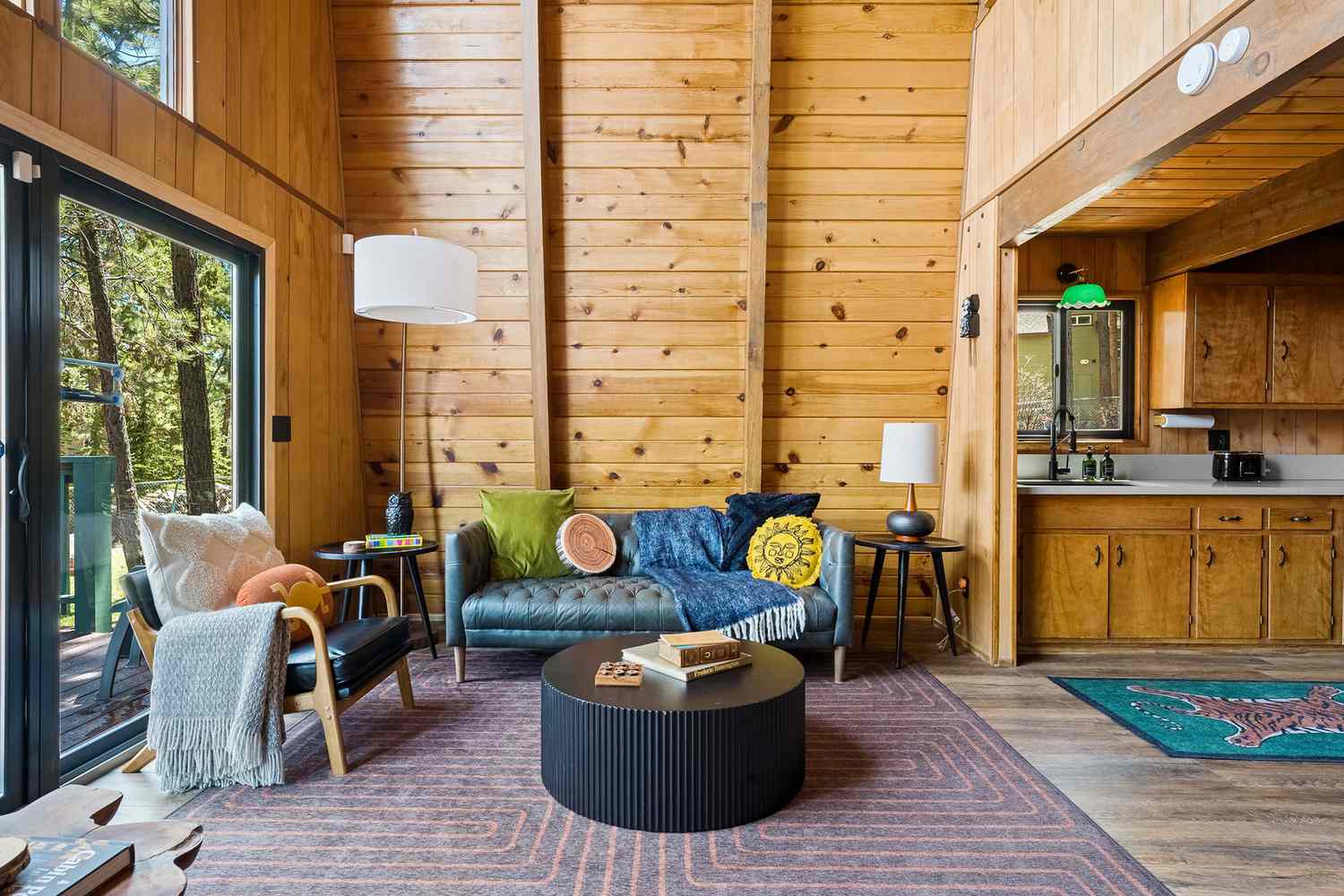
Natural wood, stone, and other organic materials enhance the open-concept aesthetic and connect the interior to the cabin’s natural surroundings. Lightweight furniture and minimalistic décor reduce visual clutter, keeping spaces open and airy.
6. Incorporating Indoor-Outdoor Connections
Sliding doors, French doors, or foldable walls create seamless transitions to decks, patios, or gardens. Integrating outdoor living areas expands usable space and strengthens the cabin’s connection with nature.
7. Lighting and Acoustics
Layered lighting, including recessed lights, pendant fixtures, and task lighting, ensures functional illumination without compromising openness. Consider acoustics carefully, as open spaces can amplify sound; area rugs, curtains, and soft furnishings help absorb noise and maintain comfort.
8. Decorating for Openness
Keep décor minimal to avoid visual clutter. Mirrors, light-colored furniture, and transparent elements like glass or acrylic pieces enhance the sense of space. Plants and natural textures add warmth without compromising openness.
Final Thoughts
Open-concept cabin spaces combine functionality, aesthetics, and connection to nature. By maximizing light, improving airflow, and designing thoughtful layouts, cabins become inviting, spacious retreats. This approach transforms traditional small cabins into modern, comfortable, and airy homes that harmonize with their natural surroundings.
Popular Articles
-
Home & Repair
 5 Practical Tips to Prevent Dampness & Mold in Your CabinA cozy cabin can quickly become unpleasant if damp and mold take hold. These five practical tips help keep humidity under control and protect wood, finishes, and indoor air quality.
 -
Home & Repair
Spring Cabin Care: Window Cleaning, Roof Check & Yard Refresh TipsSpring is the perfect time to give your cabin a fresh start after the long winter. With a few simple maintenance tasks, you can brighten your living space, protect your structure, and make your outdoor area ready for warmer days. Here are some essential spring cleaning and maintenance tips for your cabin.
-
Home & Repair
Wood Cabin Maintenance Guide: Smart Tips to Extend the Life of Your TimberA wooden cabin has natural warmth and charm, but wood requires regular care to stay strong and beautiful. Proper maintenance helps prevent decay, cracks, and insect damage while keeping your cabin looking timeless. Here are some smart tips to extend the lifespan of your wooden structure.