Rainwater Harvesting and Greywater Systems in Modern Cabins
Implementing rainwater harvesting and greywater systems is an effective way to enhance sustainability and self-sufficiency in modern cabins. These systems reduce dependence on municipal water, lower utility costs, and promote environmentally responsible living.
1. Introduction to Rainwater Harvesting
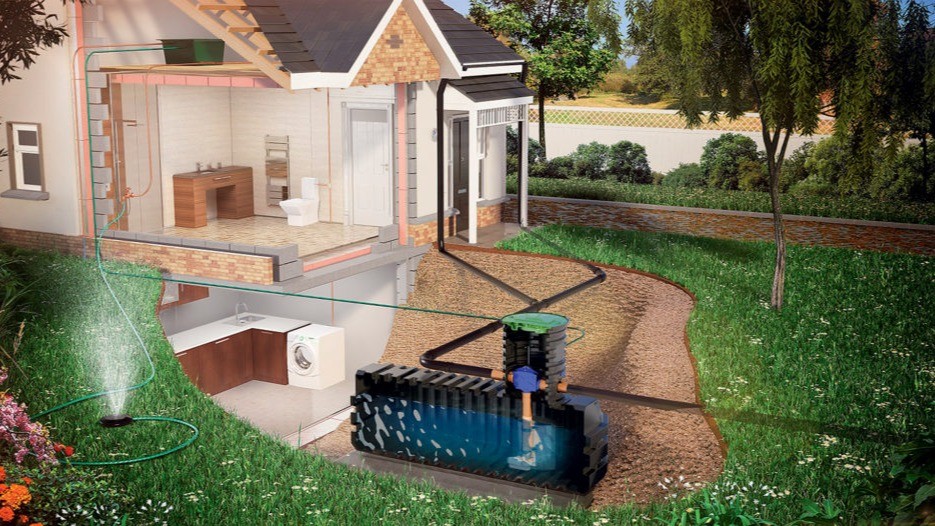
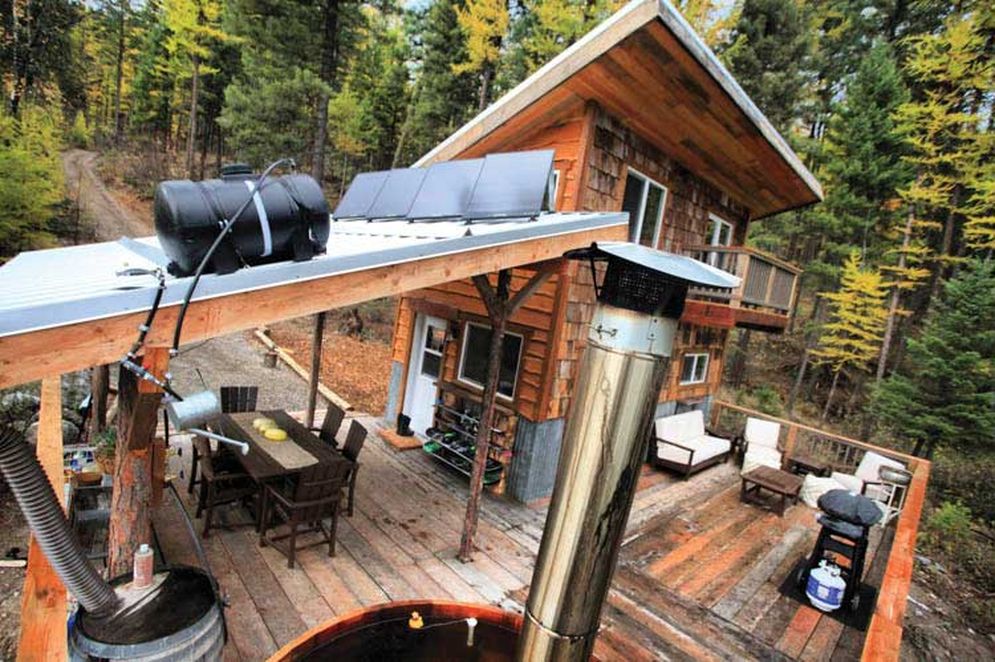
Rainwater harvesting collects and stores rainwater from rooftops or other surfaces for household use. This water can be used for irrigation, toilets, laundry, or even potable purposes after proper filtration and treatment. A basic system includes gutters, downspouts, a storage tank, and filtration components.
2. Benefits of Rainwater Harvesting
- Water Conservation: Reduces the demand on local water supplies and minimizes environmental impact.
- Cost Savings: Lowers water bills and provides a reliable water source during dry periods.
- Stormwater Management: Prevents runoff, soil erosion, and flooding around the cabin site.
3. Greywater Systems Overview
Greywater systems collect lightly used water from sinks, showers, and laundry for reuse in non-potable applications such as irrigation or toilet flushing. These systems conserve water and reduce the volume of wastewater entering septic systems or treatment facilities.
4. Designing a Greywater System
A greywater system typically includes a collection pipeline, filters, and storage or direct-use distribution systems. Simple systems divert water directly to garden beds, while more advanced setups include treatment units for safe reuse. Proper design ensures compliance with local regulations and prevents contamination.
5. Combining Rainwater and Greywater
Integrating both rainwater harvesting and greywater systems maximizes water efficiency. Rainwater can supplement greywater during dry periods, while greywater can reduce demand on collected rainwater. Together, they create a resilient, eco-friendly water management system for modern cabins.
6. Maintenance and Safety
Regular maintenance is essential to ensure system efficiency and safety. Clean gutters, check storage tanks, replace filters, and monitor water quality. Prevent contamination by separating greywater from blackwater and using proper treatment methods for potable applications.
7. Environmental and Economic Benefits
Water recycling reduces environmental impact and promotes sustainable living. Cabins equipped with rainwater and greywater systems benefit from lower utility costs, reduced strain on local water resources, and increased resilience during water shortages or droughts.
Final Thoughts
Rainwater harvesting and greywater systems are valuable additions to modern cabins, enhancing sustainability, efficiency, and comfort. By carefully planning, installing, and maintaining these systems, cabin owners can enjoy a reliable water supply while protecting the environment and reducing costs. These systems reflect a commitment to smart, eco-friendly living in harmony with nature.
Popular Articles
-
Home & Repair
 5 Practical Tips to Prevent Dampness & Mold in Your CabinA cozy cabin can quickly become unpleasant if damp and mold take hold. These five practical tips help keep humidity under control and protect wood, finishes, and indoor air quality.
 -
Home & Repair
Spring Cabin Care: Window Cleaning, Roof Check & Yard Refresh TipsSpring is the perfect time to give your cabin a fresh start after the long winter. With a few simple maintenance tasks, you can brighten your living space, protect your structure, and make your outdoor area ready for warmer days. Here are some essential spring cleaning and maintenance tips for your cabin.
-
Home & Repair
Wood Cabin Maintenance Guide: Smart Tips to Extend the Life of Your TimberA wooden cabin has natural warmth and charm, but wood requires regular care to stay strong and beautiful. Proper maintenance helps prevent decay, cracks, and insect damage while keeping your cabin looking timeless. Here are some smart tips to extend the lifespan of your wooden structure.