Solar-Powered Cabins: Tech Trends in Off-Grid Living
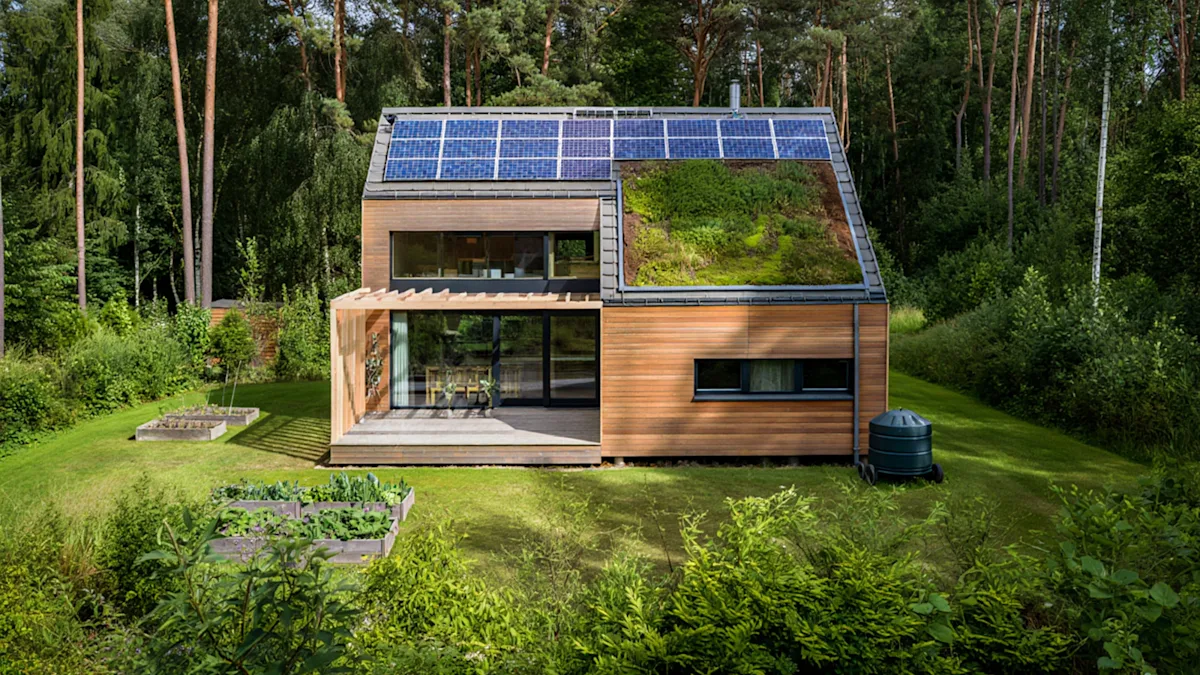
Solar-powered cabins are at the forefront of sustainable, off-grid living. By harnessing renewable energy, these cabins reduce reliance on traditional power sources, lower energy costs, and minimize environmental impact. Advances in solar technology have made off-grid living more practical, comfortable, and efficient than ever.
1. Introduction to Solar-Powered Cabins
Solar-powered cabins use photovoltaic panels to capture sunlight and convert it into electricity. Combined with energy storage solutions such as batteries, these cabins can operate independently from the grid, powering lighting, appliances, heating systems, and other essential equipment.
2. Benefits of Solar-Powered Cabins
- Energy Independence: Live off-grid and reduce dependence on public utilities.
- Cost Savings: Lower electricity bills and potential incentives for using renewable energy.
- Sustainability: Reduce carbon footprint and environmental impact by utilizing clean energy.
- Remote Accessibility: Power cabins in remote locations where grid access is limited or unavailable.
3. Solar Technology Trends
Recent advancements in solar technology include:
- High-Efficiency Panels: Panels with improved energy conversion rates generate more power in smaller spaces.
- Integrated Storage Solutions: Lithium-ion batteries and modular storage systems provide reliable energy backup.
- Smart Energy Management: AI-driven systems optimize energy usage and monitor consumption in real-time.
- Portable Solar Options: Lightweight, foldable solar panels allow flexible installation and temporary setups.
4. Designing a Solar-Powered Cabin
Effective design maximizes solar gain and efficiency. Proper orientation, roof angle, and minimal shading are crucial for optimal panel performance. Incorporate energy-efficient appliances, LED lighting, and insulated building materials to reduce energy demand and enhance sustainability.
5. Maintenance and Safety
Regular maintenance ensures solar systems function reliably. Clean panels, inspect wiring, and monitor battery health. Safety precautions include grounding electrical components, installing surge protection, and following manufacturer guidelines for installation and operation.
6. Combining Solar with Other Green Technologies
Solar-powered cabins often integrate additional eco-friendly systems, such as rainwater harvesting, greywater recycling, composting toilets, and energy-efficient heating. Combining multiple sustainable technologies creates a self-sufficient, resilient, and environmentally responsible living space.
Final Thoughts
Solar-powered cabins are redefining off-grid living by combining modern technology, sustainability, and convenience. By leveraging high-efficiency solar panels, smart energy management, and eco-conscious design, homeowners can enjoy comfortable, independent, and environmentally friendly retreats. Solar cabins represent the future of minimal-impact, resilient living in harmony with nature.
Popular Articles
-
Home & Repair
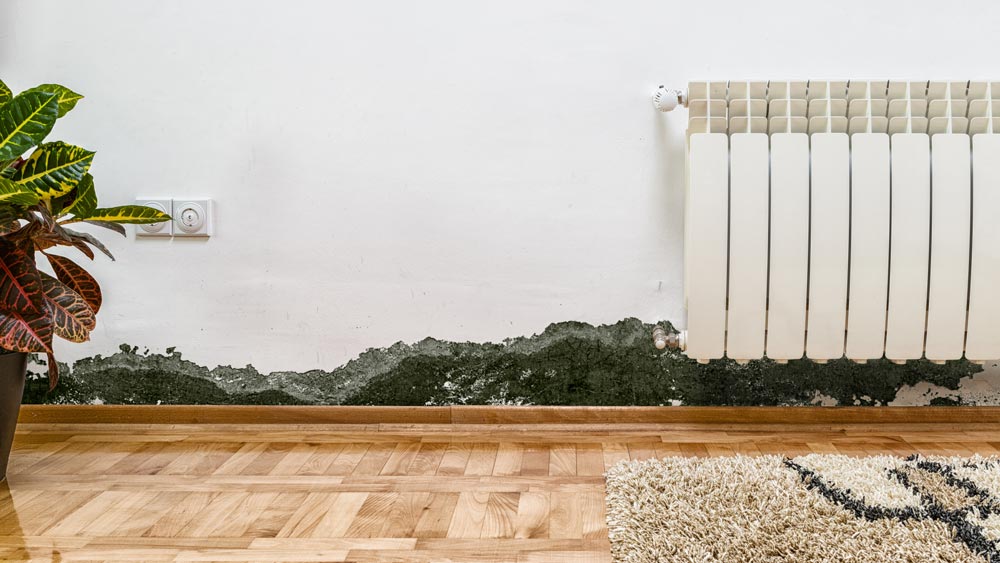
 5 Practical Tips to Prevent Dampness & Mold in Your CabinA cozy cabin can quickly become unpleasant if damp and mold take hold. These five practical tips help keep humidity under control and protect wood, finishes, and indoor air quality.
 -
Home & Repair
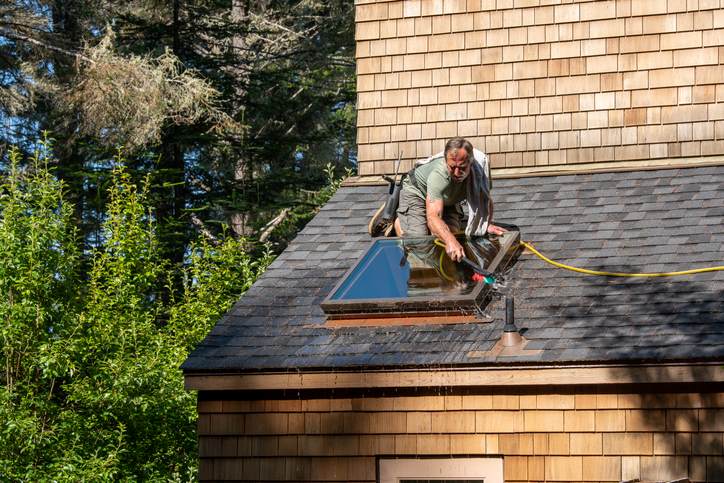
Spring Cabin Care: Window Cleaning, Roof Check & Yard Refresh TipsSpring is the perfect time to give your cabin a fresh start after the long winter. With a few simple maintenance tasks, you can brighten your living space, protect your structure, and make your outdoor area ready for warmer days. Here are some essential spring cleaning and maintenance tips for your cabin.
-
Home & Repair
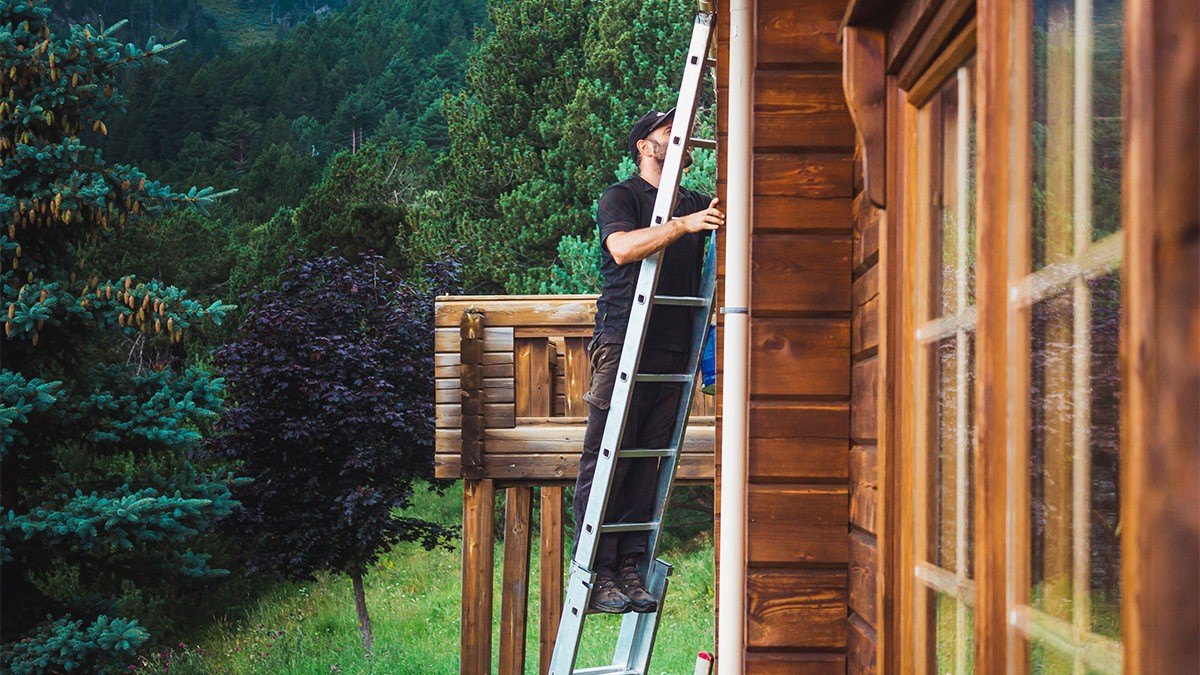
Wood Cabin Maintenance Guide: Smart Tips to Extend the Life of Your TimberA wooden cabin has natural warmth and charm, but wood requires regular care to stay strong and beautiful. Proper maintenance helps prevent decay, cracks, and insect damage while keeping your cabin looking timeless. Here are some smart tips to extend the lifespan of your wooden structure.