Sustainable Cabin Construction: Building with Renewable Materials
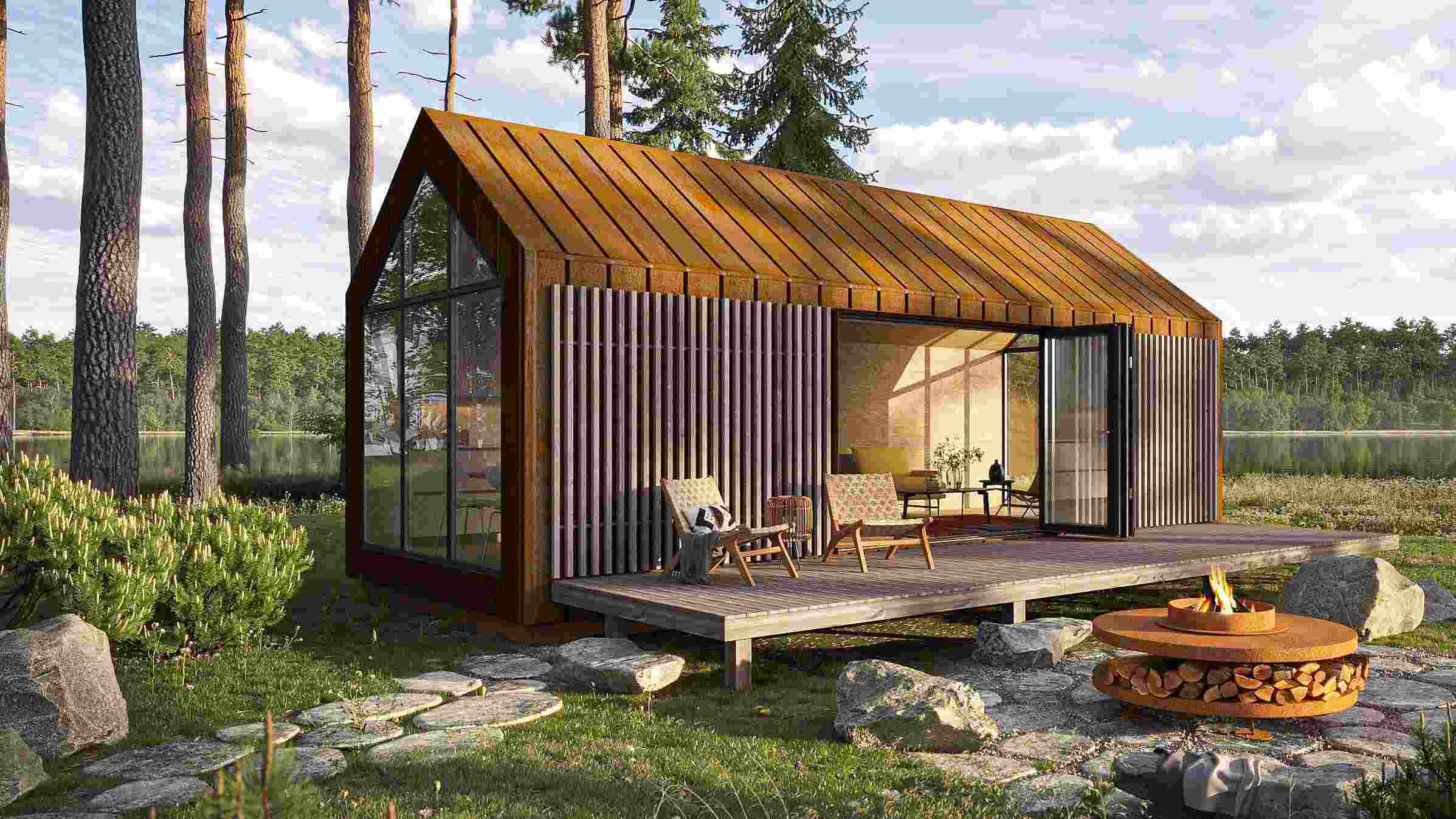
Building a sustainable cabin allows you to enjoy the beauty of nature while minimizing your environmental impact. Using renewable materials and eco-friendly construction techniques not only reduces your carbon footprint but also creates a healthier, energy-efficient retreat. Here’s a comprehensive guide to sustainable cabin construction.
1. Planning for Sustainability
Begin by assessing your site and determining the cabin’s size, layout, and orientation. Consider natural lighting, passive heating, and cooling options to reduce energy use. Choose a location that minimizes land disruption and preserves existing trees and vegetation.
2. Choosing Renewable Materials
Select materials that are renewable, locally sourced, and environmentally friendly:
- Wood: FSC-certified timber or reclaimed wood reduces deforestation and adds natural charm.
- Bamboo: Fast-growing and versatile, ideal for flooring, paneling, or furniture.
- Recycled Materials: Incorporate recycled steel, glass, or composite materials to minimize waste.
- Natural Insulation: Sheep wool, cellulose, or cork offer eco-friendly thermal protection.
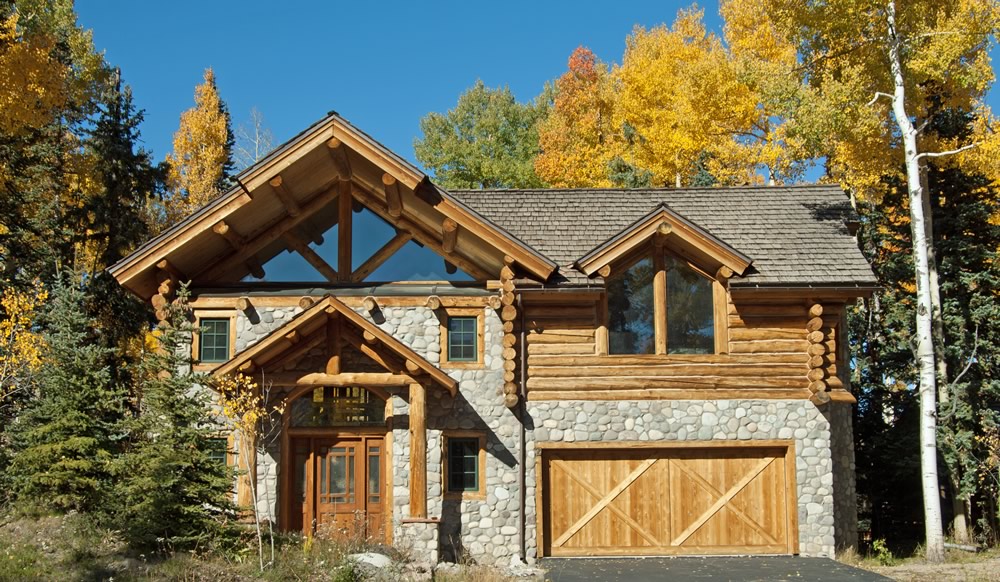
3. Eco-Friendly Construction Techniques
Use construction methods that reduce waste and energy consumption. Prefabricated or modular components can simplify assembly while reducing material waste. Ensure proper sealing and insulation to improve energy efficiency and reduce long-term maintenance.
4. Energy Efficiency and Renewable Systems
Integrate solar panels, energy-efficient lighting, and water-saving fixtures to reduce resource consumption. Consider rainwater harvesting and greywater recycling for sustainable water management. Proper planning can significantly reduce the cabin’s environmental footprint while keeping energy costs low.
5. Interior Design with Sustainability in Mind
Choose furnishings and finishes made from renewable or recycled materials. Low-VOC paints, natural fabrics, and eco-friendly flooring contribute to a healthy indoor environment. Use multi-functional furniture to maximize space and minimize excess consumption.
6. Landscaping and Outdoor Sustainability
Preserve native plants, use permeable pathways, and design gardens that require minimal irrigation. Outdoor living areas can be built with recycled or natural materials to complement the cabin’s eco-friendly approach. Sustainable landscaping enhances aesthetics while protecting local ecosystems.
7. Maintenance and Longevity
Regular maintenance is essential to maximize the lifespan of sustainable materials. Wood surfaces may require periodic sealing, while renewable insulation and finishes should be monitored for wear. Choosing durable, low-maintenance materials reduces the need for frequent replacements and further supports sustainability.
Final Thoughts
Sustainable cabin construction combines environmental responsibility with comfort, style, and functionality. By carefully selecting renewable materials, using eco-friendly construction techniques, and integrating energy-efficient systems, you can create a retreat that respects nature while providing a cozy, long-lasting getaway. This approach ensures your cabin is both beautiful and environmentally conscious.
Popular Articles
-
Home & Repair
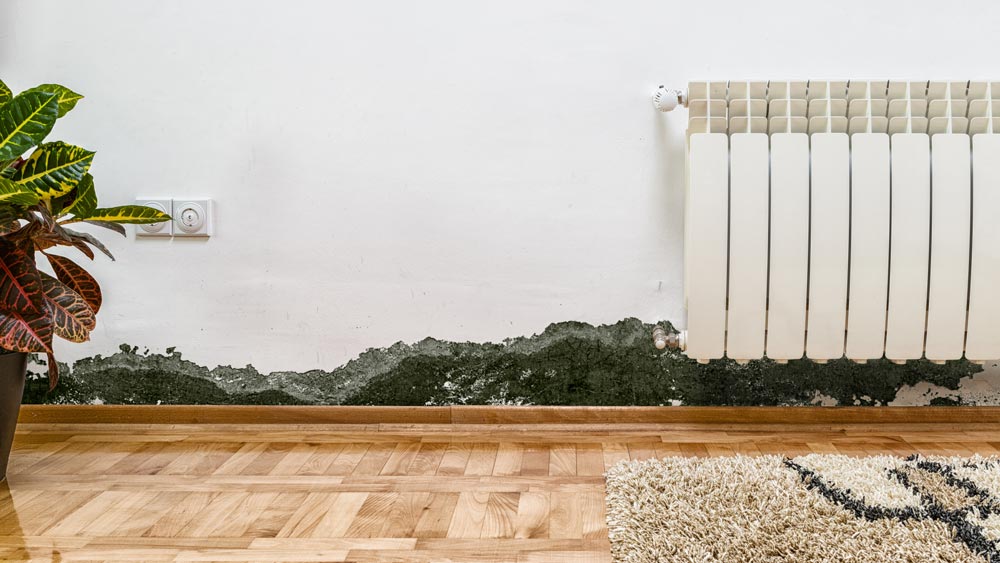
 5 Practical Tips to Prevent Dampness & Mold in Your CabinA cozy cabin can quickly become unpleasant if damp and mold take hold. These five practical tips help keep humidity under control and protect wood, finishes, and indoor air quality.
 -
Home & Repair
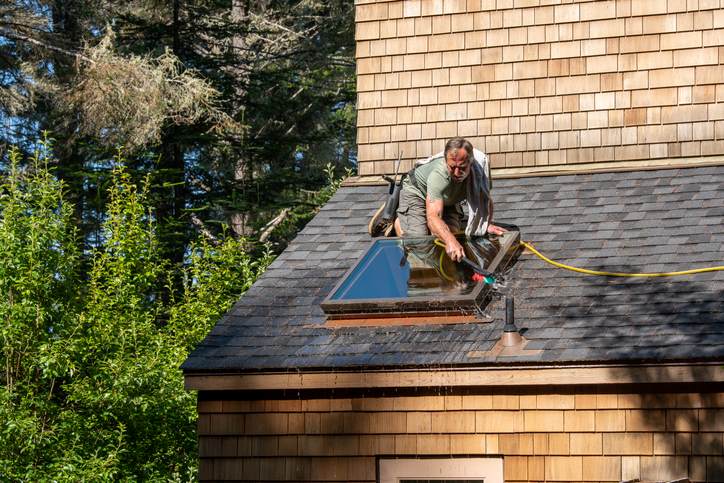
Spring Cabin Care: Window Cleaning, Roof Check & Yard Refresh TipsSpring is the perfect time to give your cabin a fresh start after the long winter. With a few simple maintenance tasks, you can brighten your living space, protect your structure, and make your outdoor area ready for warmer days. Here are some essential spring cleaning and maintenance tips for your cabin.
-
Home & Repair
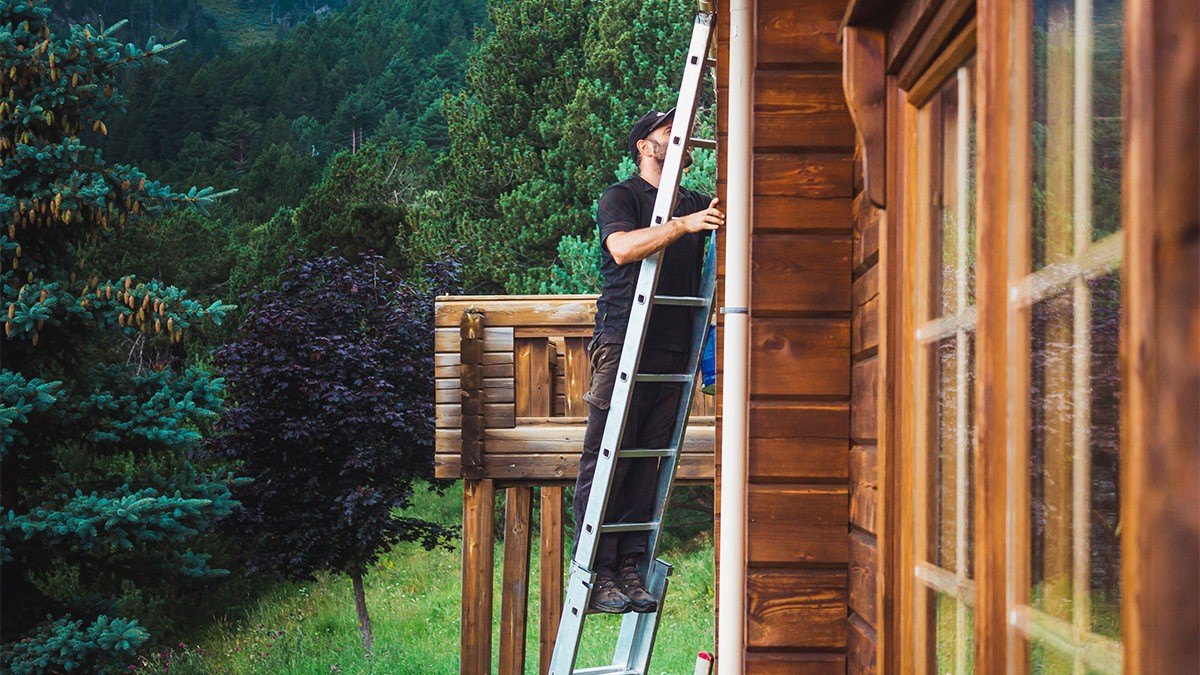
Wood Cabin Maintenance Guide: Smart Tips to Extend the Life of Your TimberA wooden cabin has natural warmth and charm, but wood requires regular care to stay strong and beautiful. Proper maintenance helps prevent decay, cracks, and insect damage while keeping your cabin looking timeless. Here are some smart tips to extend the lifespan of your wooden structure.