Tiny Cabin Transformations: Maximizing Small Spaces with Style
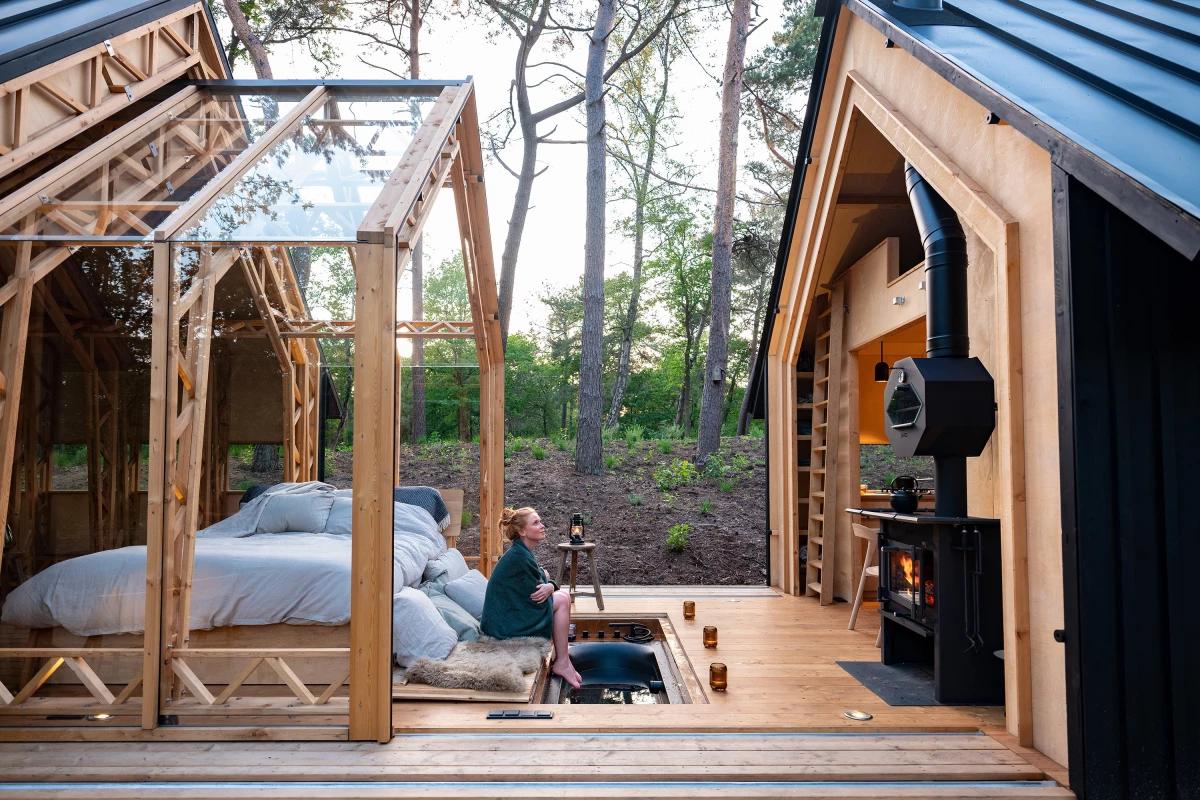
Transforming a tiny cabin into a functional and stylish retreat requires creativity, careful planning, and smart design choices. Small spaces can feel spacious, comfortable, and visually appealing when you optimize layouts, incorporate multi-functional furniture, and emphasize natural light.
1. Planning the Layout
Start by mapping out the cabin’s floor plan. Prioritize essential areas such as sleeping, cooking, and lounging. Open-concept layouts help maximize space and improve flow. Identify underutilized areas that can serve as storage, workspaces, or cozy nooks.
2. Multi-Functional Furniture
Use furniture that serves multiple purposes, such as sofa beds, foldable tables, or storage benches. Wall-mounted shelves, lofted beds, and retractable furniture increase functionality without overcrowding the space. Each piece should contribute to both utility and style.
3. Maximizing Vertical Space
Utilize vertical space for storage and décor. Tall shelving units, hanging organizers, and lofted sleeping areas make the most of limited floor area. Vertical elements also draw the eye upward, creating a sense of height and openness.
4. Natural Light and Windows
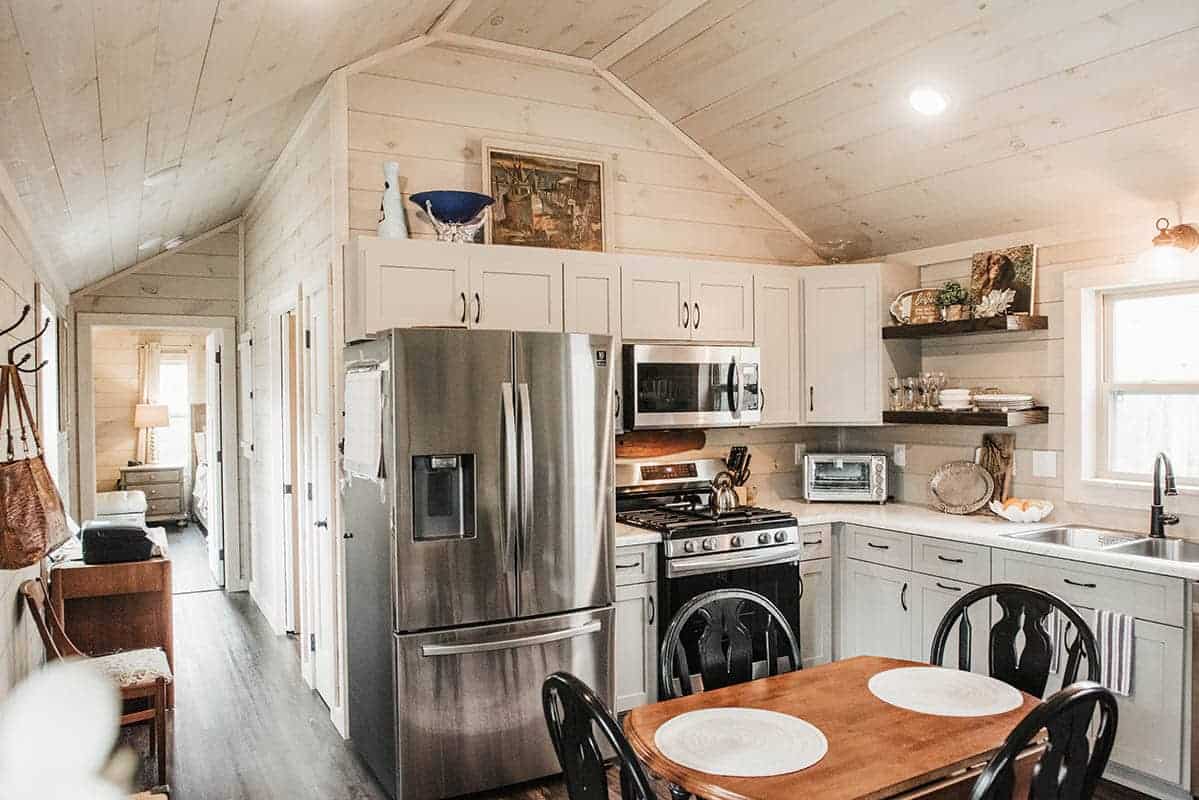
Large windows, skylights, and glass doors bring in natural light, making the cabin feel airy and open. Mirrors strategically placed opposite windows reflect light and visually expand the space. Light-colored walls and ceilings further enhance brightness and openness.
5. Smart Storage Solutions
In tiny cabins, storage is critical. Built-in cabinets, under-bed drawers, and hidden compartments help keep clutter at bay. Organize belongings efficiently, and use labeled containers or baskets to maintain order while keeping the cabin visually clean.
6. Minimalist Décor
Keep décor simple and intentional to avoid overwhelming the space. A few well-chosen decorative items, natural textures, and cohesive color schemes create a cozy, stylish environment. Avoid heavy furniture or excessive accessories that reduce the feeling of openness.
7. Indoor-Outdoor Integration
Extend living space outdoors with decks, patios, or small garden areas. Sliding or folding doors connect indoor and outdoor areas, providing flexibility and enhancing the sense of space. Outdoor seating, planters, and natural elements reinforce a connection with nature.
8. Lighting and Ambiance
Layer lighting to create warmth and functionality. Combine overhead lighting with task lighting, wall sconces, and portable lamps. Warm-toned lights and dimmers add ambiance without consuming much space, enhancing both comfort and style.
Final Thoughts
Tiny cabin transformations prove that small spaces can be stylish, functional, and comfortable. By optimizing layout, using multi-functional furniture, maximizing light, and maintaining a minimalist approach, even the smallest cabins can become inviting retreats. Thoughtful design turns compact living into a charming and efficient lifestyle.
Popular Articles
-
Home & Repair
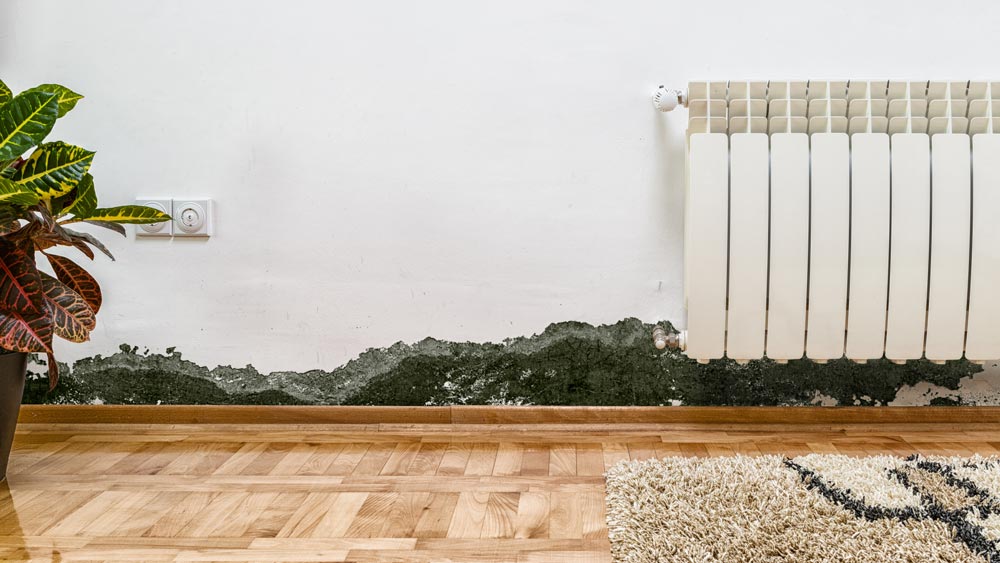
 5 Practical Tips to Prevent Dampness & Mold in Your CabinA cozy cabin can quickly become unpleasant if damp and mold take hold. These five practical tips help keep humidity under control and protect wood, finishes, and indoor air quality.
 -
Home & Repair
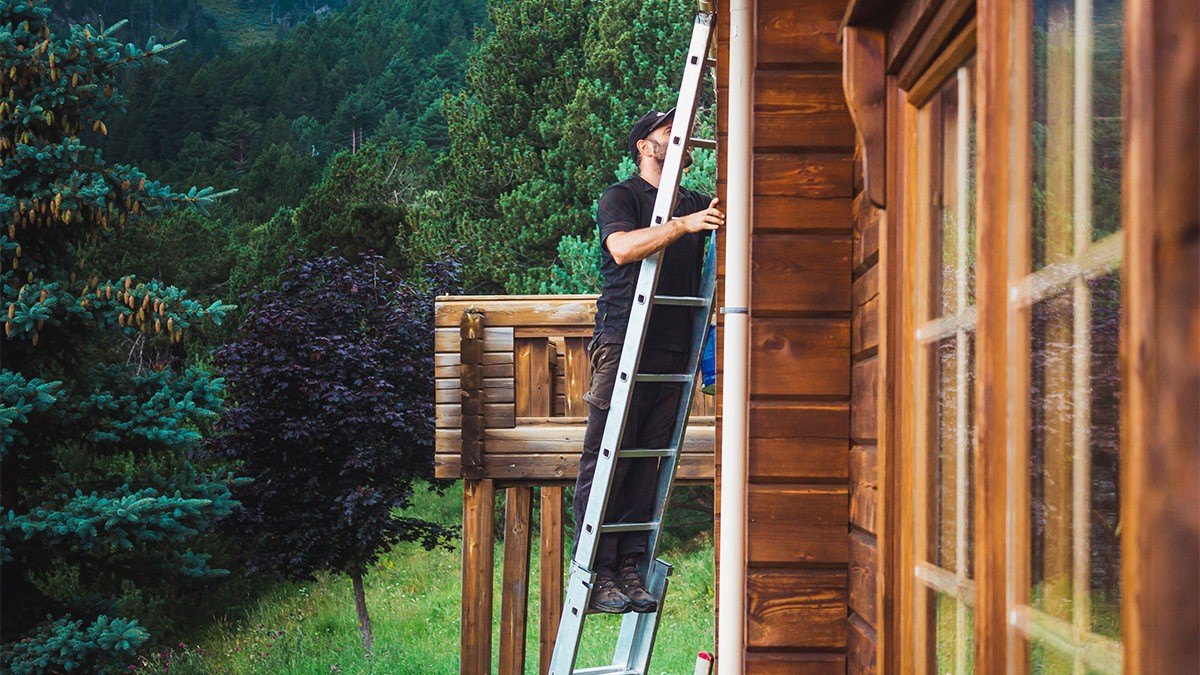
Spring Cabin Care: Window Cleaning, Roof Check & Yard Refresh TipsSpring is the perfect time to give your cabin a fresh start after the long winter. With a few simple maintenance tasks, you can brighten your living space, protect your structure, and make your outdoor area ready for warmer days. Here are some essential spring cleaning and maintenance tips for your cabin.
-
Home & Repair
Wood Cabin Maintenance Guide: Smart Tips to Extend the Life of Your TimberA wooden cabin has natural warmth and charm, but wood requires regular care to stay strong and beautiful. Proper maintenance helps prevent decay, cracks, and insect damage while keeping your cabin looking timeless. Here are some smart tips to extend the lifespan of your wooden structure.