Weatherproofing Techniques for Modern Cabins
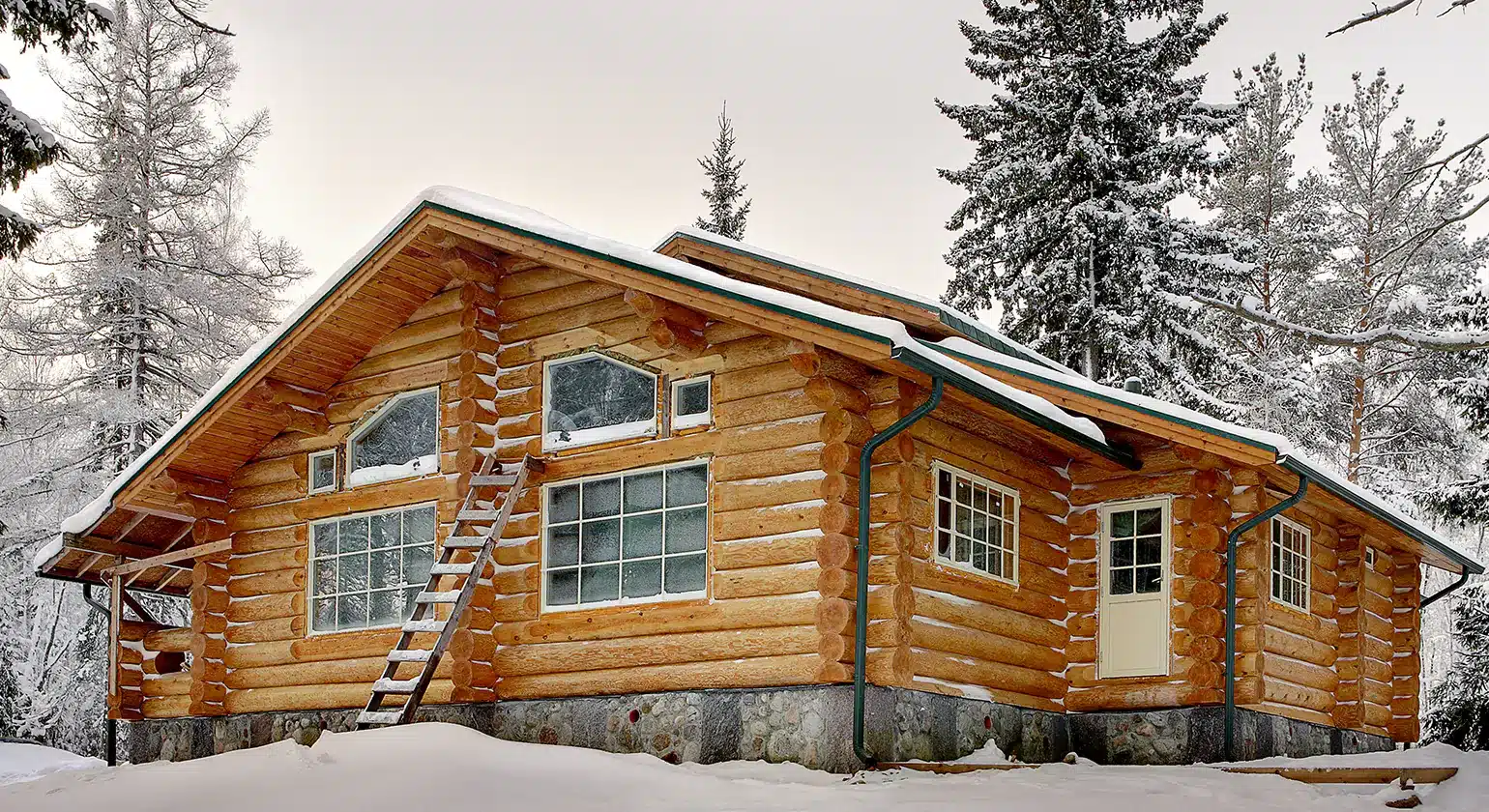
Weatherproofing is essential for protecting cabins from harsh environmental conditions. Proper techniques ensure durability, energy efficiency, and comfort, while reducing long-term maintenance costs. Modern cabins benefit from a combination of traditional methods and innovative materials to withstand rain, snow, wind, and temperature fluctuations.
1. Assessing Vulnerable Areas
Identify areas most exposed to weather, including roofs, windows, doors, walls, and foundations. Regular inspections reveal cracks, gaps, or damaged surfaces. Addressing these vulnerabilities early prevents water infiltration, drafts, and structural damage.
2. Roofing and Gutters
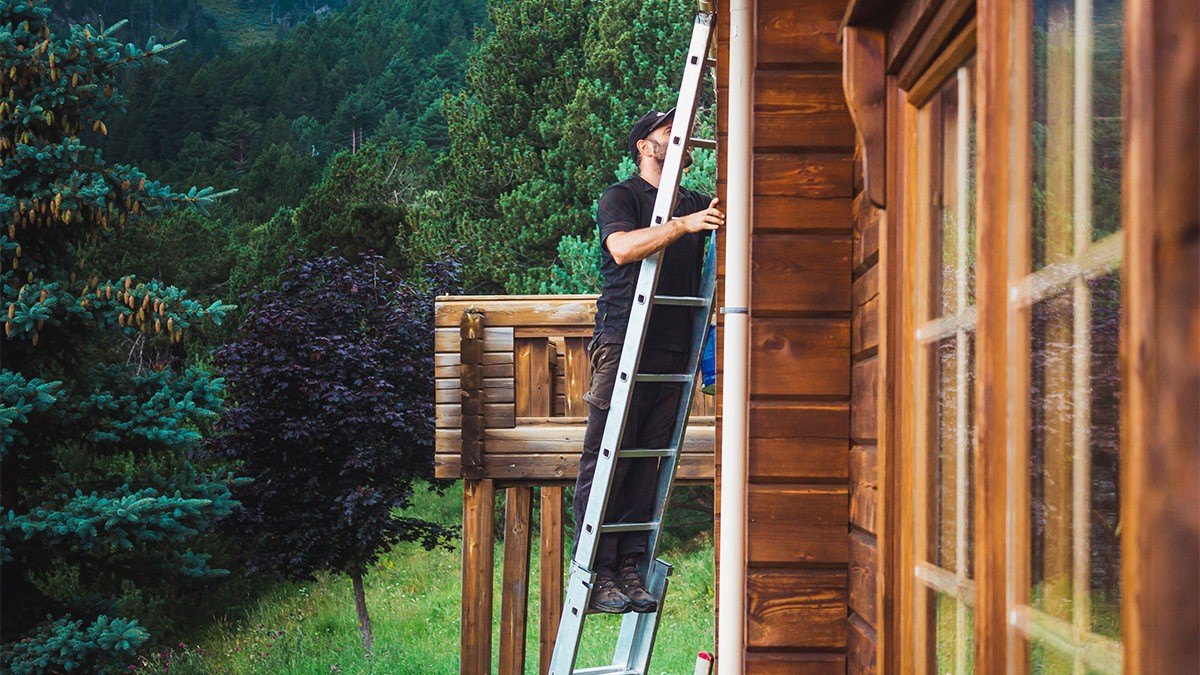
Choose durable, weather-resistant roofing materials such as metal, asphalt shingles, or treated wood. Proper roof slope and overhangs help shed rain and snow. Install gutters and downspouts to direct water away from the foundation and prevent erosion or water damage.
3. Insulation and Sealing
High-quality insulation in walls, ceilings, and floors maintains indoor comfort and energy efficiency. Seal gaps around windows, doors, and joints with weatherstripping or caulking. Proper sealing reduces heat loss, prevents drafts, and keeps moisture out.
4. Exterior Cladding and Finishes
Use weather-resistant siding, such as treated wood, composite panels, or fiber cement, to protect the cabin from rain and UV exposure. Apply protective stains, paints, or water-repellent coatings to extend material lifespan and maintain appearance.
5. Window and Door Protection
Install double or triple-glazed windows for insulation and moisture resistance. Ensure doors are fitted with proper thresholds and weatherstripping. Storm doors and window shutters provide additional protection in areas with extreme weather.
6. Foundation and Drainage
Proper foundation design and drainage prevent water accumulation and structural damage. Ensure the ground slopes away from the cabin. Consider using gravel beds, French drains, or waterproof membranes to protect the foundation.
7. Ventilation and Moisture Control
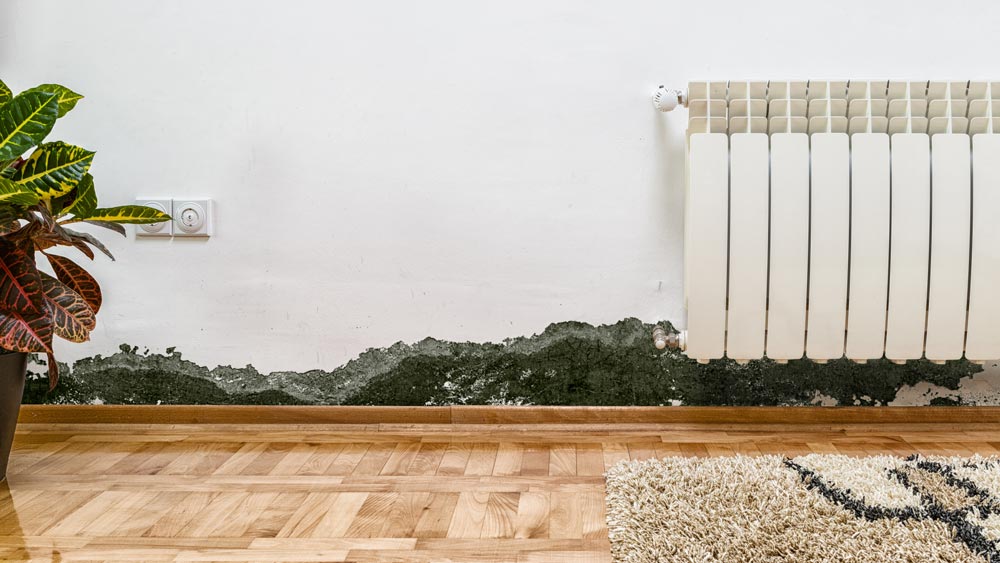
Good ventilation prevents mold, mildew, and wood decay. Use ridge vents, soffit vents, and exhaust fans to maintain airflow. Dehumidifiers and vapor barriers further control moisture levels, keeping the cabin healthy and comfortable.
8. Seasonal Maintenance
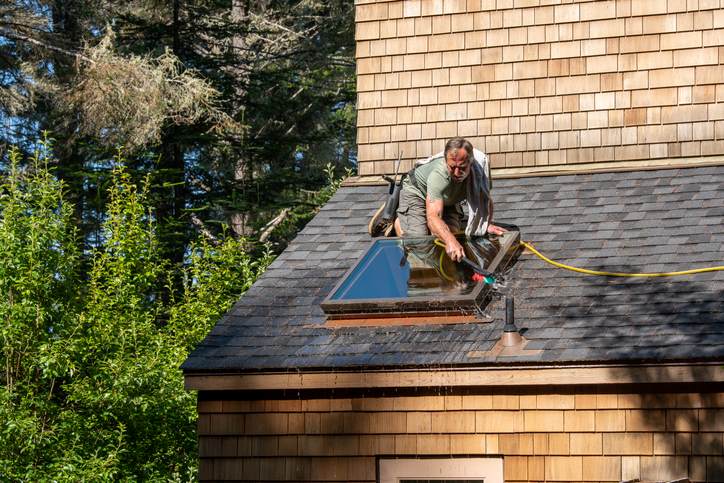
Regular maintenance is key to effective weatherproofing. Clean gutters, inspect seals, check roofing, and reapply protective coatings as needed. Seasonal preparation, such as winterizing pipes and insulating vulnerable areas, helps prevent damage from extreme weather.
Final Thoughts
Weatherproofing modern cabins protects both the structure and the comfort of its occupants. By combining quality materials, proper design, and ongoing maintenance, cabins can withstand harsh weather while maintaining energy efficiency and aesthetic appeal. Investing in weatherproofing ensures your cabin remains a safe, durable, and cozy retreat for years to come.
Popular Articles
-
Home & Repair
 5 Practical Tips to Prevent Dampness & Mold in Your CabinA cozy cabin can quickly become unpleasant if damp and mold take hold. These five practical tips help keep humidity under control and protect wood, finishes, and indoor air quality.
 -
Home & Repair
Spring Cabin Care: Window Cleaning, Roof Check & Yard Refresh TipsSpring is the perfect time to give your cabin a fresh start after the long winter. With a few simple maintenance tasks, you can brighten your living space, protect your structure, and make your outdoor area ready for warmer days. Here are some essential spring cleaning and maintenance tips for your cabin.
-
Home & Repair
Wood Cabin Maintenance Guide: Smart Tips to Extend the Life of Your TimberA wooden cabin has natural warmth and charm, but wood requires regular care to stay strong and beautiful. Proper maintenance helps prevent decay, cracks, and insect damage while keeping your cabin looking timeless. Here are some smart tips to extend the lifespan of your wooden structure.