🔥 Cabin Outdoor Cooking and BBQ Safety Guide
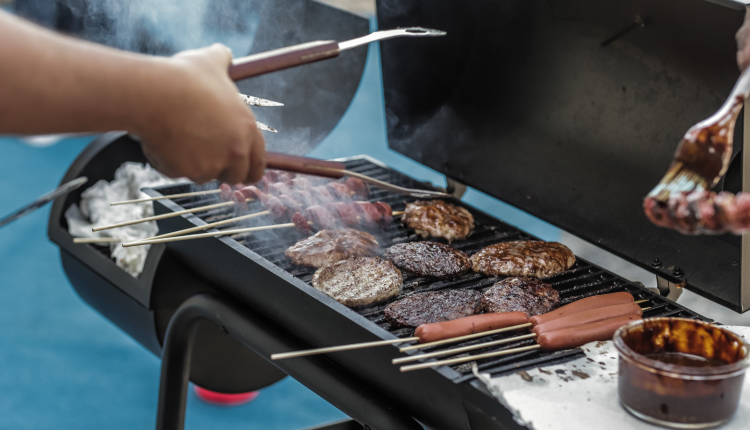
Cooking outdoors at your cabin is one of life’s simple pleasures—grilling fresh food surrounded by nature creates an unforgettable experience. But to enjoy your barbecue safely, it’s essential to follow proper fire prevention and equipment handling practices. A few mindful steps can make your outdoor cooking both safe and enjoyable.
🍖 1. Choose the Right Cooking Area
Safe Distance: Always set up your grill or outdoor stove at least 10 feet away from your cabin walls, wooden decks, or trees. This reduces the risk of fire spreading from sparks or heat.
Flat, Non-Flammable Surface: Place your grill on gravel, stone, or concrete—not grass or wooden flooring. A stable surface prevents tipping and accidental fires.
Wind Check: Avoid grilling in strong winds that can blow hot ashes or flames toward your cabin or nearby plants.
🧯 2. Fire Prevention Essentials
Keep Extinguishers Ready: Have a fire extinguisher or a bucket of sand and water nearby before you start cooking. Quick action can stop small fires from spreading.
Clean the Grill Regularly: Built-up grease can ignite easily. Clean grates and trays before and after each use to prevent flare-ups.
No Unattended Fires: Never leave a lit grill or open flame unattended. Always have someone watching while food is cooking.
🥩 3. Handling Fuel Safely
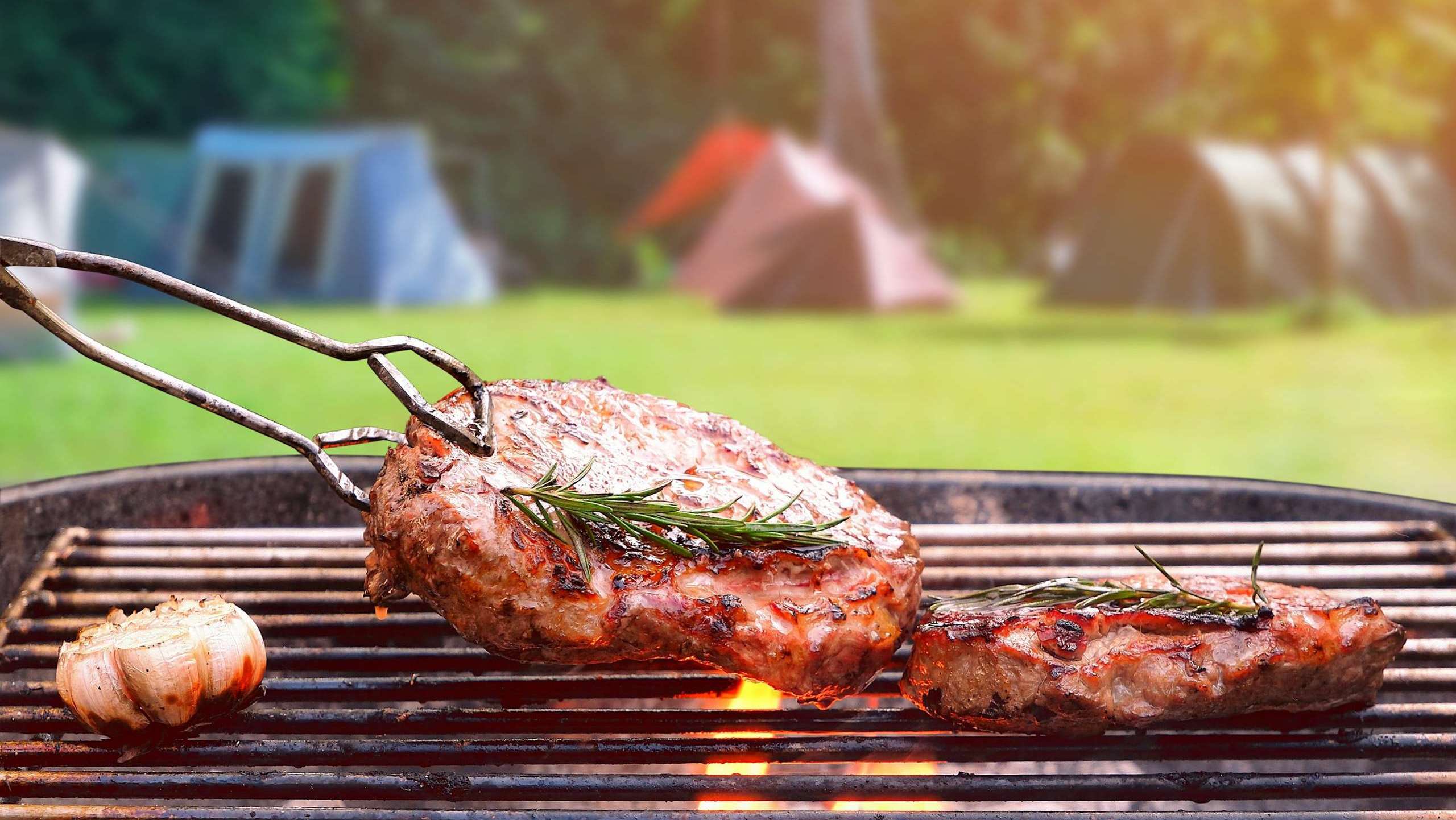
Charcoal Grills: Use only enough charcoal to cover the base evenly. Avoid using lighter fluid excessively—it can cause sudden flare-ups or toxic smoke.
Gas Grills: Check hoses and connections for leaks before lighting. If you smell gas, turn off everything immediately and move away before investigating.
Wood Fire Cooking: Use dry, seasoned wood. Avoid green or treated wood, which produces excessive smoke or harmful fumes.
🌲 4. Cabin-Friendly Cooking Habits
Mind the Environment: Dispose of ashes properly after they have cooled for at least 24 hours. Never dump hot coals near trees or soil.
Control Smoke: Position your grill downwind from seating areas and open cabin windows to prevent smoke from entering your living space.
Animal Safety: Store leftover food securely—wild animals are often attracted by cooking smells and scraps.
🌅 5. After-Cooking Cleanup
- Extinguish all flames completely before leaving the cooking area.
- Close gas valves and disconnect propane tanks after use.
- Clean utensils and cooking surfaces to prevent rust and bacteria buildup.
- Cover your grill or stove to protect it from weather damage.
🏕️ Final Thoughts
Outdoor cooking adds warmth and joy to your cabin lifestyle, but safety should always come first. By choosing the right cooking area, maintaining your grill, and staying aware of fire risks, you can enjoy delicious outdoor meals with peace of mind. A safe cookout keeps both your cabin and your memories in perfect condition.
Popular Articles
-
Home & Repair
 5 Practical Tips to Prevent Dampness & Mold in Your CabinA cozy cabin can quickly become unpleasant if damp and mold take hold. These five practical tips help keep humidity under control and protect wood, finishes, and indoor air quality.
 -
Home & Repair
Spring Cabin Care: Window Cleaning, Roof Check & Yard Refresh TipsSpring is the perfect time to give your cabin a fresh start after the long winter. With a few simple maintenance tasks, you can brighten your living space, protect your structure, and make your outdoor area ready for warmer days. Here are some essential spring cleaning and maintenance tips for your cabin.
-
Home & Repair
Wood Cabin Maintenance Guide: Smart Tips to Extend the Life of Your TimberA wooden cabin has natural warmth and charm, but wood requires regular care to stay strong and beautiful. Proper maintenance helps prevent decay, cracks, and insect damage while keeping your cabin looking timeless. Here are some smart tips to extend the lifespan of your wooden structure.