🔧 DIY Furniture Repair Guide: Simple Fixes for Everyday Damage
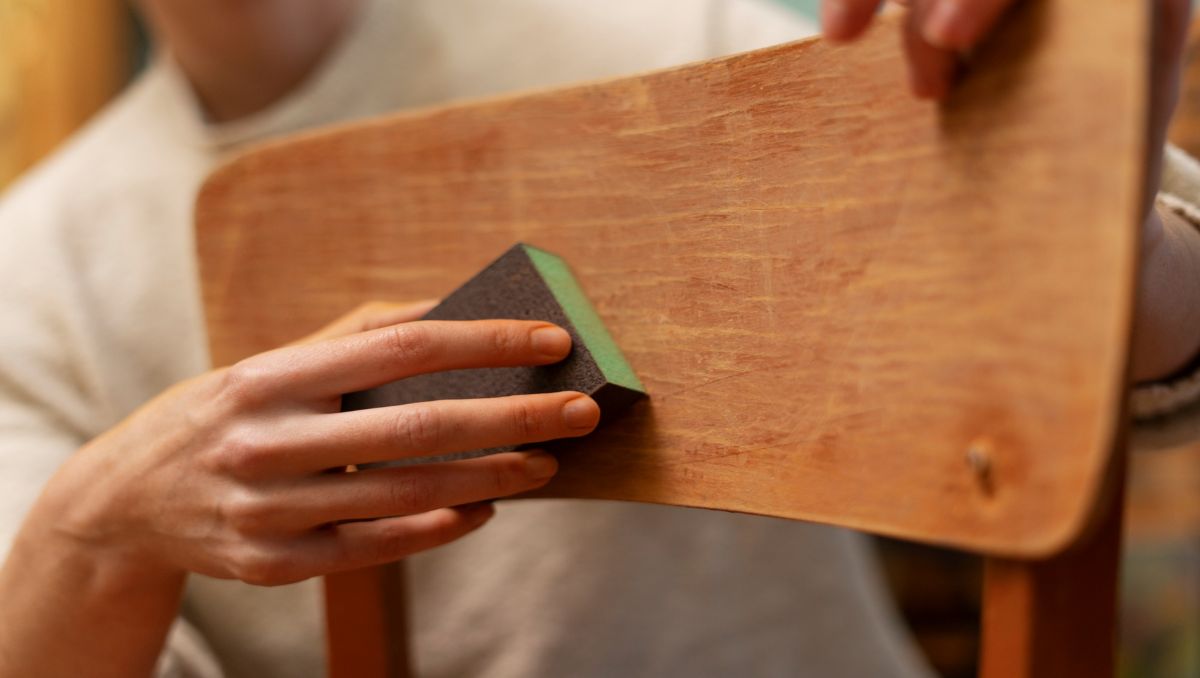
Even the best furniture faces wear and tear over time — a loose chair leg, a scratched table, or a sticky drawer. The good news? You don’t need to be a professional carpenter to fix these problems. With a few basic tools and simple techniques, you can restore your furniture and extend its lifespan.
🪑 1. Fixing Loose Joints and Wobbly Chairs
Identify the Issue: Gently move the furniture to find which joints are loose. Most wobbles come from weakened glue or loose screws.
Simple Solution: Remove the old glue with sandpaper, apply fresh wood glue, and clamp the joint tightly until it dries. For screw connections, tighten or replace worn screws with slightly larger ones for a firmer grip.
Tip: Use corner brackets for added stability, especially for older wooden chairs or tables.
🪵 2. Repairing Scratches and Dents
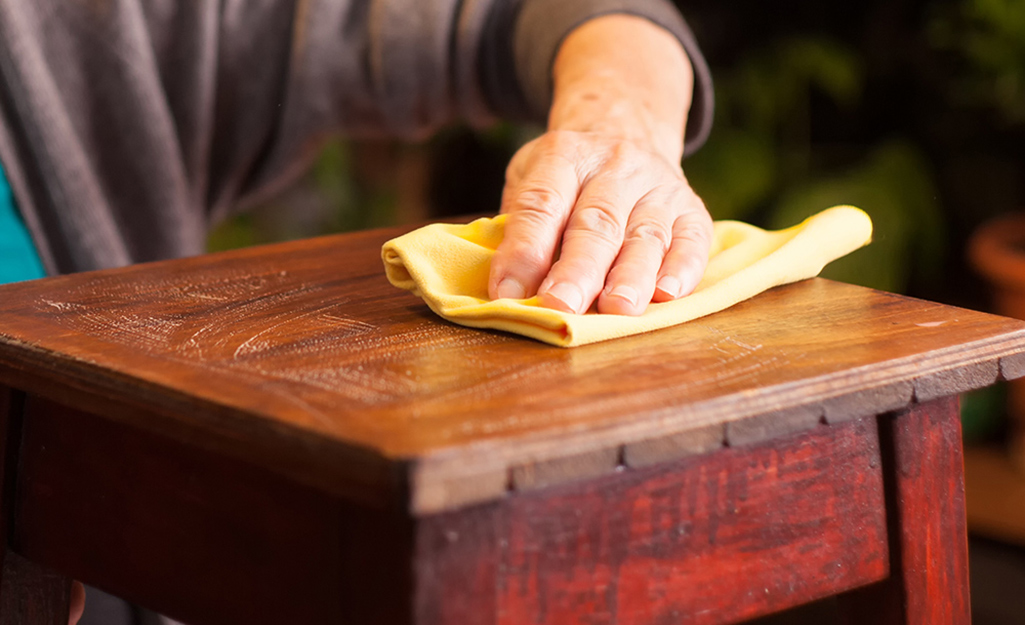
Minor Scratches: Rub a matching color wood repair marker or furniture wax stick over the scratch. Buff gently with a soft cloth to blend the color.
Deeper Dents: Place a damp cloth over the dent and apply a warm iron for a few seconds. The steam will help the wood fibers expand, reducing the dent’s visibility.
Natural Solution: For small scuffs, mix coffee grounds or walnut oil with a bit of vinegar — it’s a quick DIY stain repair for dark wood.
🚪 3. Fixing Stuck or Noisy Drawers
For Sticky Drawers: Rub candle wax, soap, or paraffin along the drawer runners to help them slide smoothly.
For Noisy Slides: Use a small amount of silicone spray or furniture polish on metal tracks to reduce squeaking.
Pro Tip: If wooden drawers swell due to humidity, lightly sand the sides and apply a coat of varnish or wax to prevent sticking in the future.
🪞 4. Restoring Surface Shine
Polish Dull Wood: Mix olive oil and lemon juice (1:1) as a natural polish. Apply with a soft cloth and buff until shiny.
Remove Water Rings: Place a towel over the ring and use a warm iron on low heat for a few seconds. The heat will evaporate moisture trapped under the surface.
Revive Old Finishes: Use commercial wood restorer to refresh faded surfaces without sanding or refinishing the entire piece.
🧰 5. Tools and Materials Every DIYer Should Have
- Wood glue and clamps
- Screwdrivers and a small hammer
- Sandpaper (medium and fine grit)
- Furniture touch-up markers or wax sticks
- Soft cloths, polish, and natural oils
🏡 Final Thoughts
Furniture repairs don’t have to be complicated or expensive. With a little patience and creativity, you can handle most small fixes on your own. Regular maintenance — tightening screws, polishing surfaces, and addressing minor damage early — helps your furniture stay beautiful and functional for years to come.
Popular Articles
-
Home & Repair
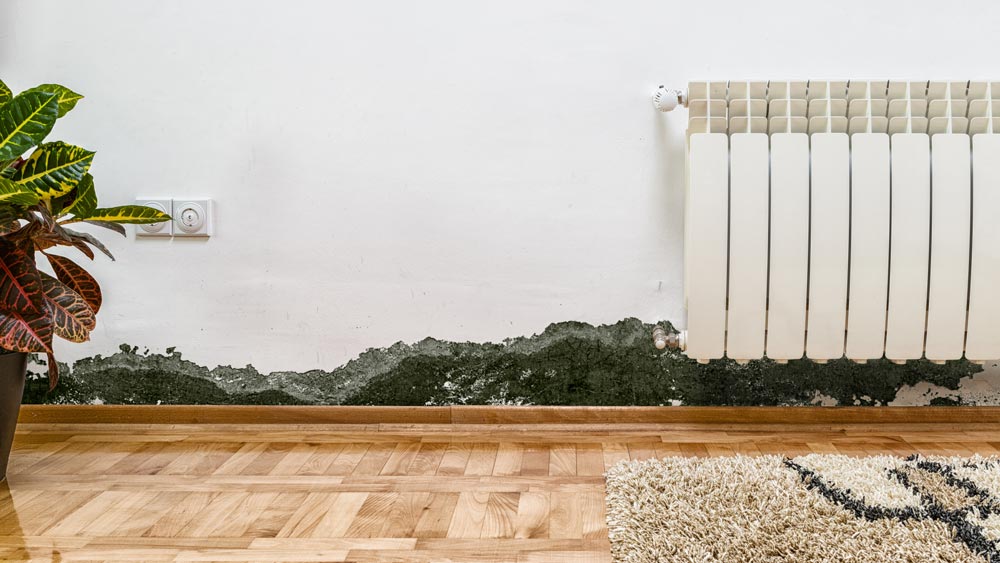
 5 Practical Tips to Prevent Dampness & Mold in Your CabinA cozy cabin can quickly become unpleasant if damp and mold take hold. These five practical tips help keep humidity under control and protect wood, finishes, and indoor air quality.
 -
Home & Repair
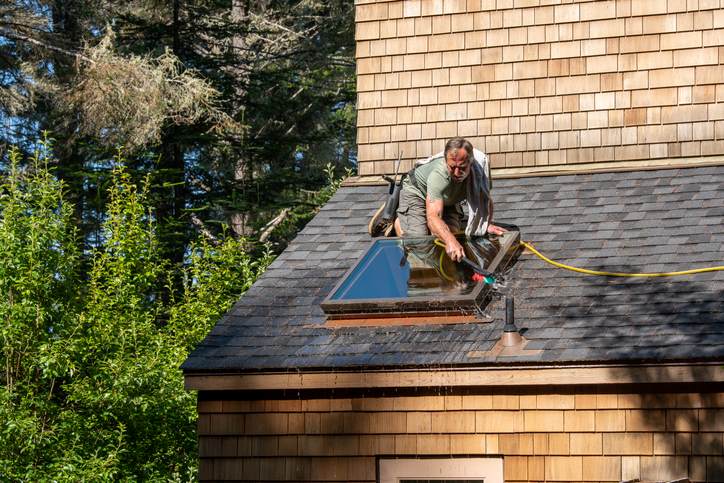
Spring Cabin Care: Window Cleaning, Roof Check & Yard Refresh TipsSpring is the perfect time to give your cabin a fresh start after the long winter. With a few simple maintenance tasks, you can brighten your living space, protect your structure, and make your outdoor area ready for warmer days. Here are some essential spring cleaning and maintenance tips for your cabin.
-
Home & Repair
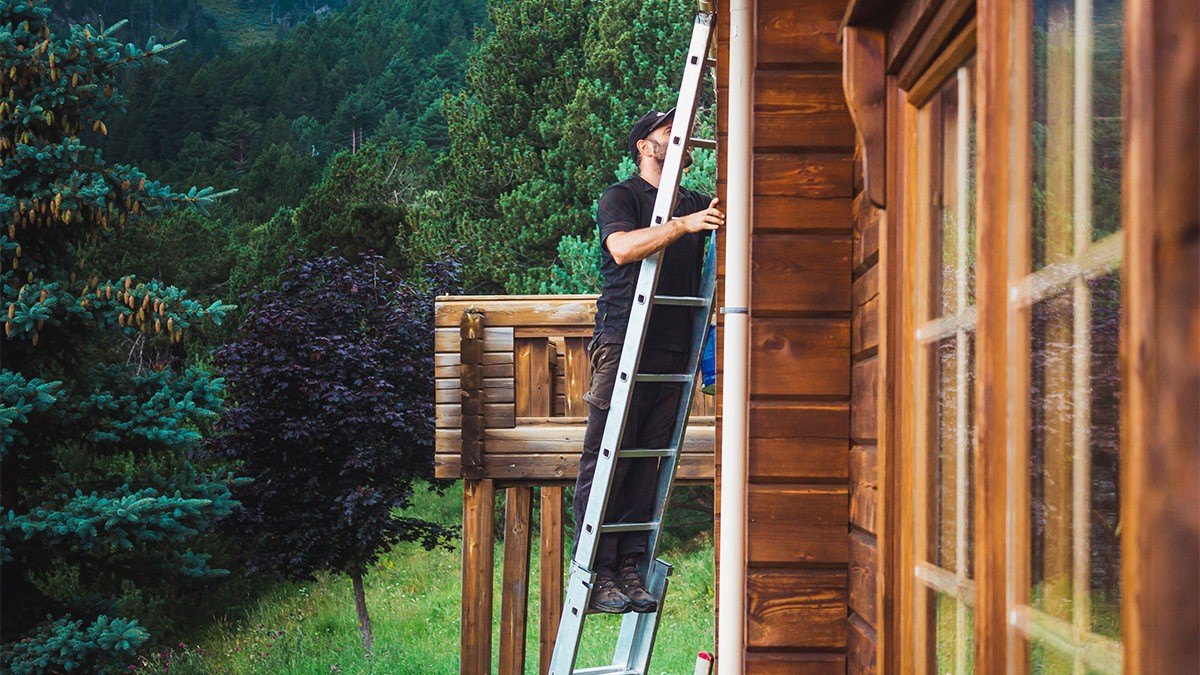
Wood Cabin Maintenance Guide: Smart Tips to Extend the Life of Your TimberA wooden cabin has natural warmth and charm, but wood requires regular care to stay strong and beautiful. Proper maintenance helps prevent decay, cracks, and insect damage while keeping your cabin looking timeless. Here are some smart tips to extend the lifespan of your wooden structure.