🔥 Fire Safety Tips for Cabins: Stoves, Appliances, and Heating
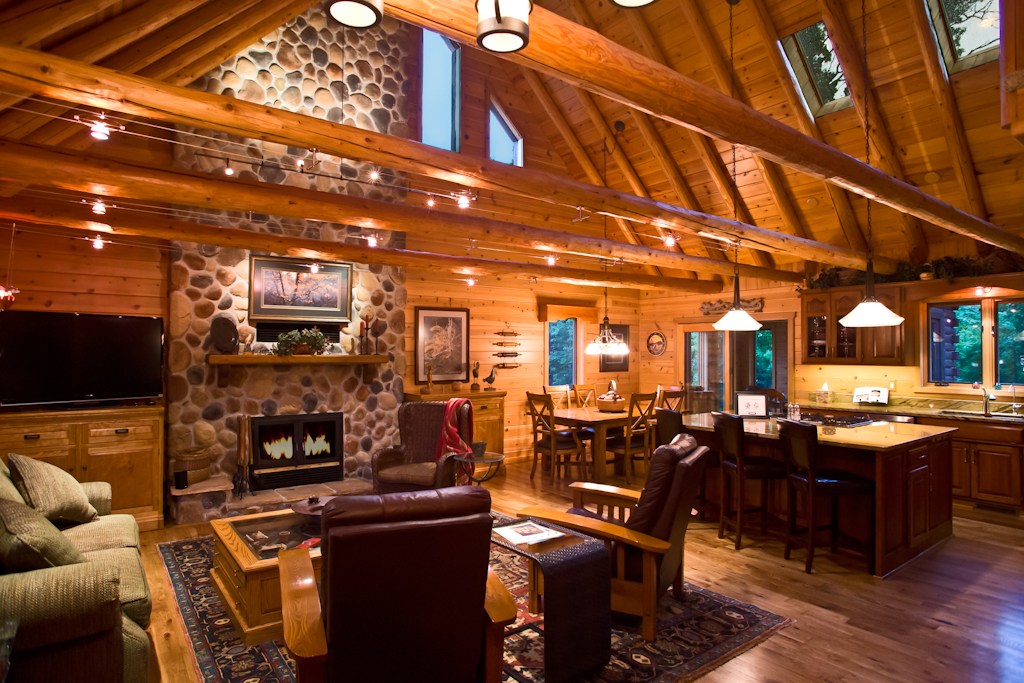
Cabins offer cozy retreats surrounded by nature, but their wooden structures make fire safety especially important. Small precautions can prevent accidents and keep your family, guests, and property safe. Here’s a practical guide for maintaining fire safety with stoves, electrical appliances, and heating systems in your cabin.
🪵 1. Safe Use of Stoves and Fireplaces
Inspect and Maintain Regularly: Clean chimneys and stovepipes to remove soot and creosote buildup, which can easily ignite. Schedule a professional inspection at least once a year.
Use Fire-Resistant Materials: Place fireproof mats or hearth pads under stoves and fireplaces. Keep flammable items such as rugs, curtains, and furniture at a safe distance.
Proper Ventilation: Ensure smoke vents and flues are unobstructed to allow safe airflow. Never leave a burning stove or fireplace unattended, especially overnight.
💡 2. Electrical Appliance Safety
Check Cords and Outlets: Inspect electrical cords for fraying or damage, and avoid overloading outlets. Use power strips with surge protection where necessary.
Turn Off When Not in Use: Unplug appliances like heaters, toasters, or coffee makers when leaving the cabin. Small sparks from unattended devices can quickly escalate in a wooden structure.
Install Smoke Detectors: Place smoke alarms near kitchens, living rooms, and bedrooms. Test them monthly and replace batteries at least once a year.
🌡️ 3. Heating Safety Tips
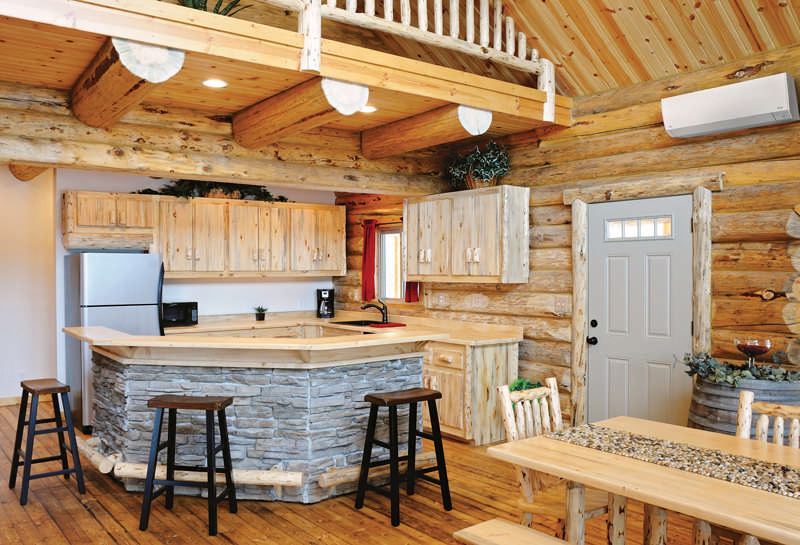
Space Heaters: Keep portable heaters at least three feet away from walls, furniture, and curtains. Use models with automatic shut-off features in case of tipping.
Wood-Burning Stoves: Only burn dry, seasoned wood. Avoid burning trash, cardboard, or treated wood, which can create dangerous sparks or toxic smoke.
Central Heating: For cabins with central heating systems, schedule annual inspections and clean filters regularly. A well-maintained system reduces the risk of electrical faults or overheating.
🧯 4. Emergency Preparedness
Keep Fire Extinguishers Handy: Place extinguishers in kitchens, near stoves, and near heating appliances. Learn how to use them properly and check pressure levels monthly.
Create an Escape Plan: Plan and practice escape routes with all cabin occupants. Make sure windows and doors are easily accessible in case of fire.
Emergency Contacts: Keep local fire department numbers and nearby emergency services easily accessible.
🏡 Final Thoughts
Fire safety is crucial in cabins due to their wooden structures and often remote locations. By maintaining stoves, checking electrical appliances, using heating devices responsibly, and preparing for emergencies, you can enjoy your cabin safely. Simple precautions make a big difference in preventing accidents and ensuring peace of mind during your stay.
Popular Articles
-
Home & Repair
 5 Practical Tips to Prevent Dampness & Mold in Your CabinA cozy cabin can quickly become unpleasant if damp and mold take hold. These five practical tips help keep humidity under control and protect wood, finishes, and indoor air quality.
 -
Home & Repair
Spring Cabin Care: Window Cleaning, Roof Check & Yard Refresh TipsSpring is the perfect time to give your cabin a fresh start after the long winter. With a few simple maintenance tasks, you can brighten your living space, protect your structure, and make your outdoor area ready for warmer days. Here are some essential spring cleaning and maintenance tips for your cabin.
-
Home & Repair
Wood Cabin Maintenance Guide: Smart Tips to Extend the Life of Your TimberA wooden cabin has natural warmth and charm, but wood requires regular care to stay strong and beautiful. Proper maintenance helps prevent decay, cracks, and insect damage while keeping your cabin looking timeless. Here are some smart tips to extend the lifespan of your wooden structure.