Simple Tips to Improve Indoor Air Quality

Good indoor air quality is essential for a healthy and comfortable home. However, dust, allergens, pet dander, and household chemicals can easily pollute the air without us even noticing. The good news? You don’t need expensive equipment to breathe cleaner air — just a few smart habits and simple DIY solutions can make a big difference.
💨 1. Keep Your Home Well-Ventilated
Fresh air circulation is the simplest and most effective way to improve indoor air quality. Open your windows for at least 10–15 minutes every morning and evening to let fresh air in and push stale air out. If possible, create cross-ventilation by opening windows on opposite sides of the room. In areas with poor outdoor air, use an air purifier with a HEPA filter instead.
🧹 2. Reduce Dust and Allergens
Regular cleaning helps reduce allergens like dust mites and pollen. Vacuum carpets and rugs twice a week using a vacuum with a HEPA filter. Don’t forget to wipe surfaces, shelves, and window sills with a damp cloth to trap dust instead of spreading it around. Wash bedding and curtains in hot water regularly to eliminate allergens.

🌱 3. Add Air-Purifying Plants
Indoor plants not only beautify your space but also help absorb toxins and release oxygen. Some of the best natural air purifiers include snake plant, peace lily, spider plant, and pothos. Place a few small plants in different rooms — they act as mini air filters and improve humidity levels naturally.
🚭 4. Avoid Indoor Pollutants
Common household products such as aerosol sprays, scented candles, and cleaning chemicals release volatile organic compounds (VOCs) into the air. Choose natural or fragrance-free cleaning products and ventilate the room while using them. Never smoke indoors, as cigarette smoke is one of the leading sources of indoor air pollution.
🔥 5. Maintain Heating and Cooling Systems
Air conditioners, heaters, and ventilation systems can collect dust and mold over time. Clean or replace air filters every 1–2 months, and schedule a professional inspection at least once a year. Keeping your HVAC system in good shape ensures better airflow and reduces airborne particles.
💧 6. Control Humidity Levels
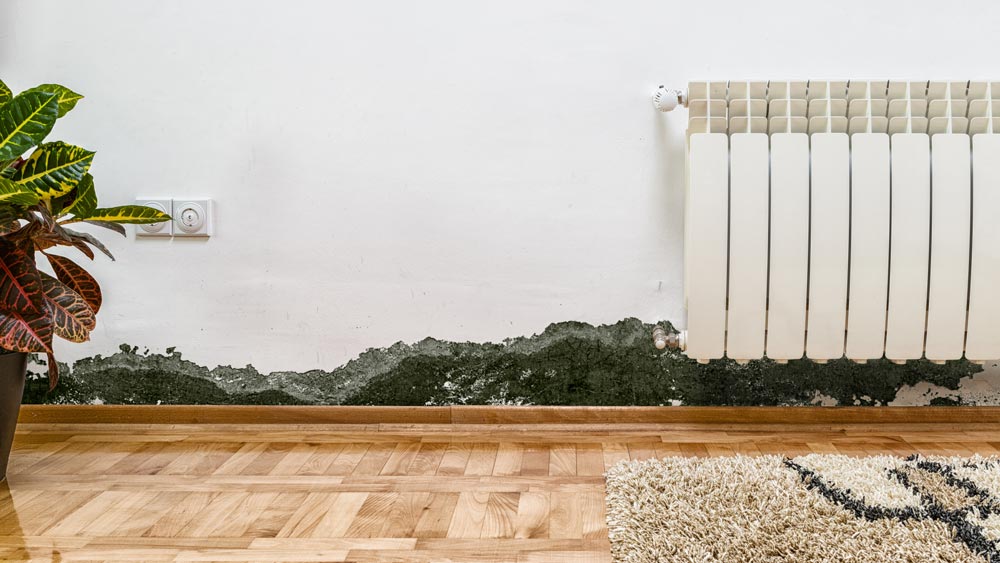
Too much humidity encourages mold growth, while dry air can irritate your throat and skin. Try to keep indoor humidity between 40% and 60%. Use a dehumidifier in damp rooms like basements, and place bowls of water or use a humidifier during dry winter months to balance moisture levels.
🍃 7. Use Natural Air Fresheners
Instead of synthetic air fresheners, try natural alternatives. Boil lemon peels, cinnamon sticks, or herbs to add a pleasant aroma to your home. Essential oil diffusers with lavender or eucalyptus can also purify the air while keeping your home smelling fresh.
🏡 Final Thoughts
Improving indoor air quality doesn’t require complex systems or expensive products — just consistency and awareness. By keeping your home clean, ventilated, and filled with a few natural purifiers, you can create a healthier living environment for you and your family. Breathe easy and enjoy a fresher, more comfortable home every day.
Popular Articles
-
Home & Repair
 5 Practical Tips to Prevent Dampness & Mold in Your CabinA cozy cabin can quickly become unpleasant if damp and mold take hold. These five practical tips help keep humidity under control and protect wood, finishes, and indoor air quality.
 -
Home & Repair
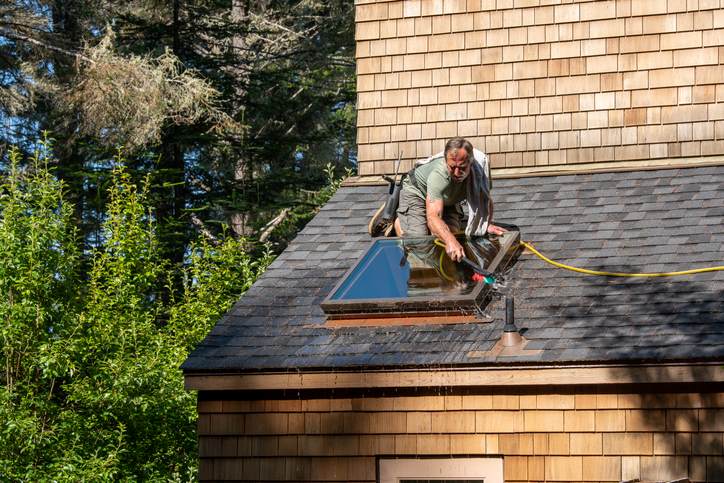
Spring Cabin Care: Window Cleaning, Roof Check & Yard Refresh TipsSpring is the perfect time to give your cabin a fresh start after the long winter. With a few simple maintenance tasks, you can brighten your living space, protect your structure, and make your outdoor area ready for warmer days. Here are some essential spring cleaning and maintenance tips for your cabin.
-
Home & Repair
Wood Cabin Maintenance Guide: Smart Tips to Extend the Life of Your TimberA wooden cabin has natural warmth and charm, but wood requires regular care to stay strong and beautiful. Proper maintenance helps prevent decay, cracks, and insect damage while keeping your cabin looking timeless. Here are some smart tips to extend the lifespan of your wooden structure.