🌱 Tiny Cabin Gardens: Eco-Friendly Planting and Green Living
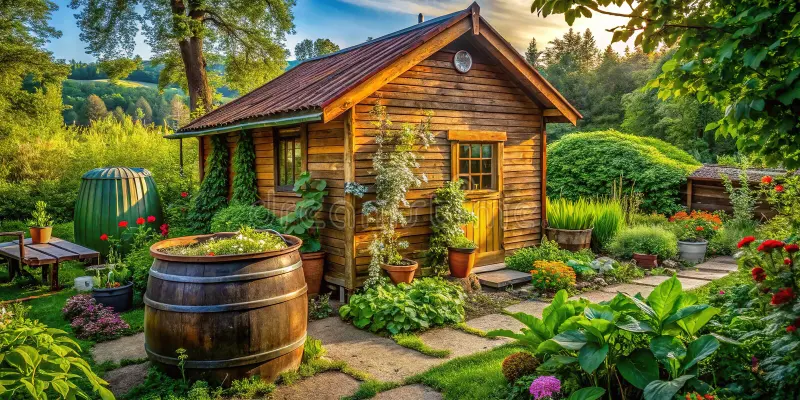
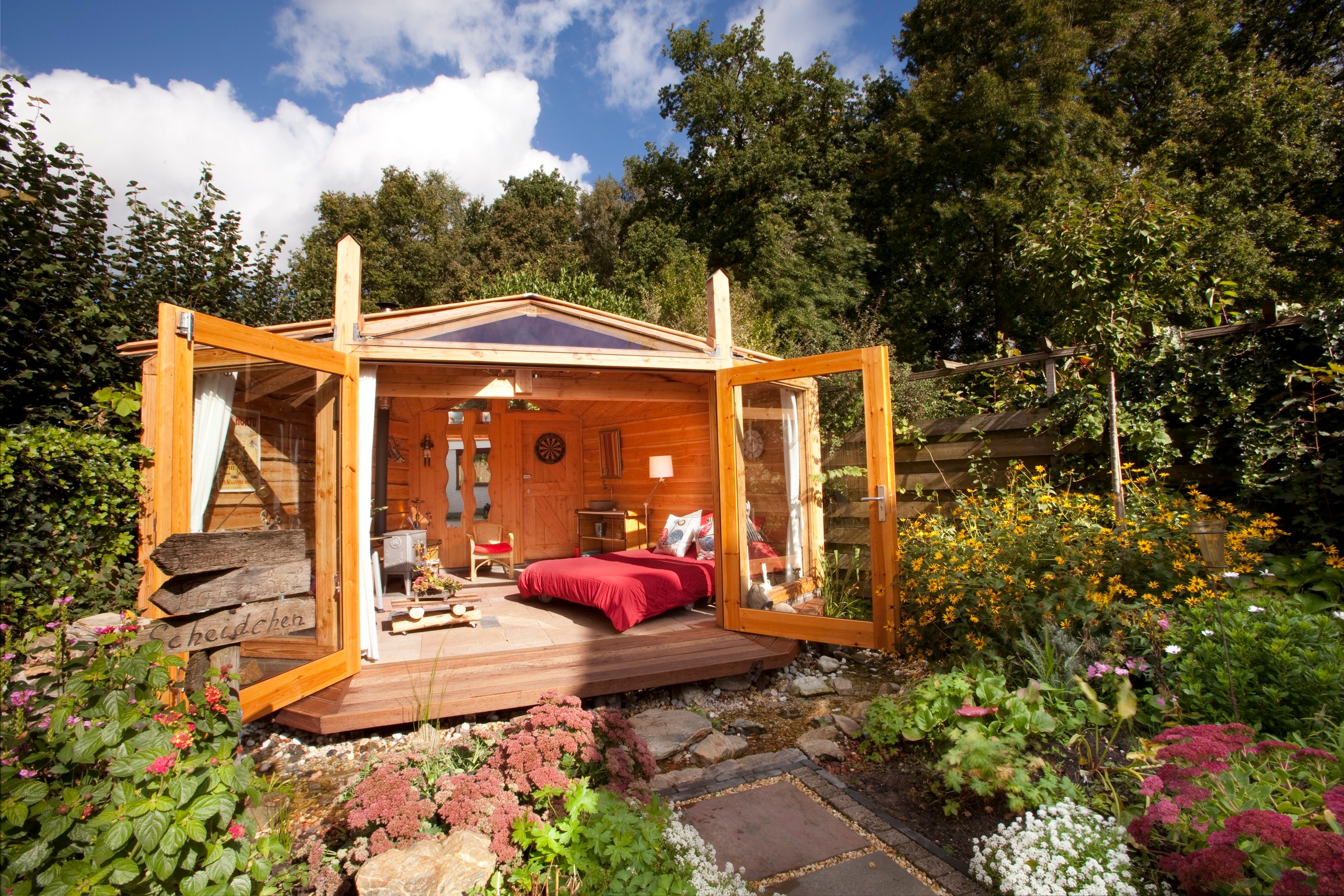
Living in a cabin often means being surrounded by nature — tall trees, fresh air, and the sound of birds outside your window. But you don’t need a big yard to enjoy the beauty of plants. Even the smallest cabins can have lush, thriving gardens through smart design and eco-friendly planting. Here’s how to build your own micro garden and bring nature closer to your everyday life.
🏡 1. Embrace the Beauty of Small-Space Gardening
You don’t need acres of land to grow your favorite plants. Balconies, windowsills, and even wooden decks can become mini green zones. Choose compact containers, hanging pots, or vertical planters to maximize every inch of space. Combine herbs, flowers, and small vegetables to create a mix of color and fragrance that reflects your cabin’s cozy charm.
🪴 2. Best Plants for Tiny Cabin Gardens
Herbs: Grow easy-to-care-for herbs like basil, rosemary, thyme, and mint. They not only add greenery but also enhance your cooking with fresh, natural flavor.
Vegetables: Try compact varieties such as cherry tomatoes, lettuce, radishes, or peppers. These can grow well in pots or raised beds near windows or patios.
Flowers and Greenery: Choose hardy plants that thrive in partial sunlight — marigolds, lavender, ivy, or succulents. They add a touch of life and help purify the air naturally.
🌿 3. Eco-Friendly Planting Techniques
Compost Naturally: Turn kitchen waste like fruit peels and coffee grounds into nutrient-rich compost. It’s a simple way to reduce waste and feed your plants organically.
Collect Rainwater: Set up a small rainwater barrel beside your cabin to water your plants sustainably. Rainwater is softer and free of chemicals, making it perfect for garden use.
Use Recycled Containers: Old wooden crates, tin cans, and glass jars can all be turned into charming plant pots. It’s a creative, eco-conscious way to reduce waste while decorating your garden.
🌸 4. Create a Relaxing Green Corner
Design a small sitting area among your plants — a wooden bench or a hammock works perfectly. Add fairy lights or lanterns for a magical evening glow. This little green retreat can be your favorite spot for morning coffee, reading, or simply listening to nature.
🐝 5. Support Local Wildlife
Even a tiny garden can help local ecosystems thrive. Plant bee-friendly flowers like lavender or clover, and set up a shallow water bowl for birds. Avoid chemical pesticides and use natural pest repellents, such as neem oil or garlic spray, to keep your plants healthy and wildlife safe.
🌍 6. Seasonal Care and Maintenance
Each season brings new beauty to your garden. In spring, focus on planting and pruning. During summer, water regularly and harvest herbs and vegetables. Autumn is perfect for adding compost and preparing plants for winter rest. With gentle care year-round, your garden will reward you with color, life, and peace.
🏠 Final Thoughts
A micro garden transforms even the smallest cabin into a living, breathing ecosystem. It’s not just about plants — it’s about connecting with nature, slowing down, and creating balance. With sustainable planting and thoughtful design, your little green space can become a true reflection of eco-friendly living and cabin comfort.
Popular Articles
-
Home & Repair
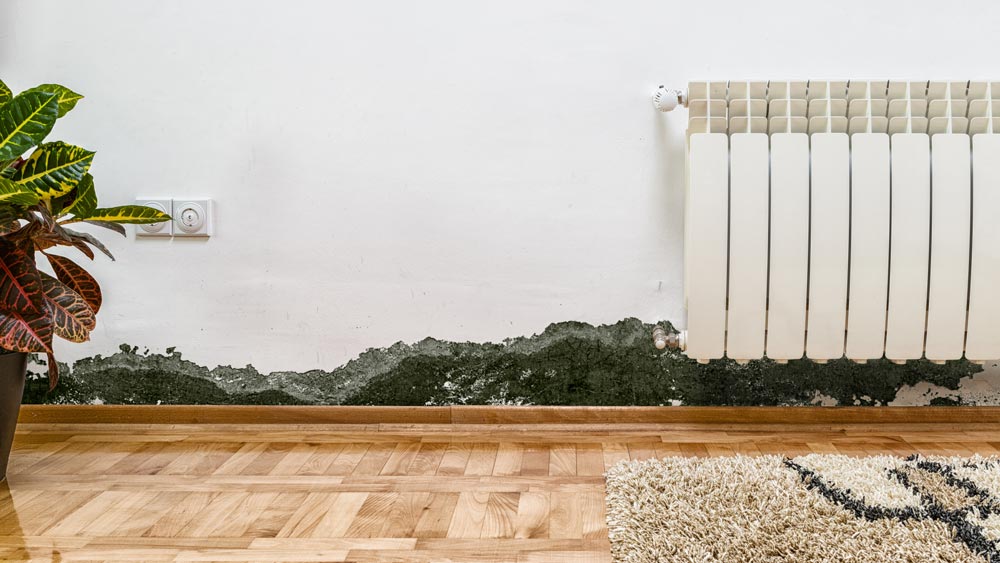
 5 Practical Tips to Prevent Dampness & Mold in Your CabinA cozy cabin can quickly become unpleasant if damp and mold take hold. These five practical tips help keep humidity under control and protect wood, finishes, and indoor air quality.
 -
Home & Repair
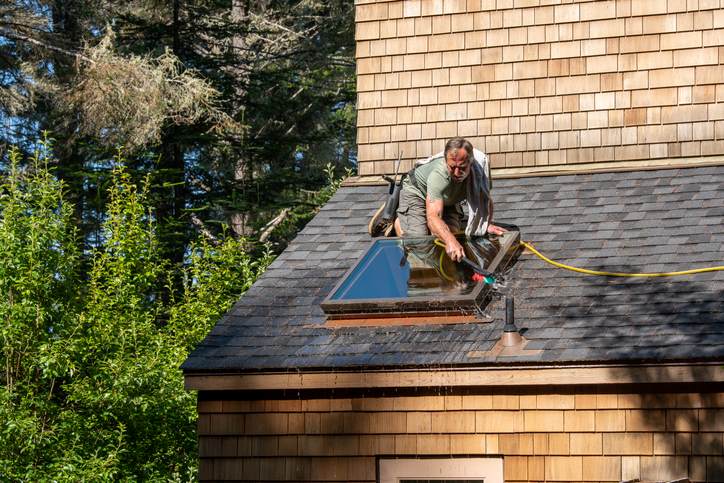
Spring Cabin Care: Window Cleaning, Roof Check & Yard Refresh TipsSpring is the perfect time to give your cabin a fresh start after the long winter. With a few simple maintenance tasks, you can brighten your living space, protect your structure, and make your outdoor area ready for warmer days. Here are some essential spring cleaning and maintenance tips for your cabin.
-
Home & Repair
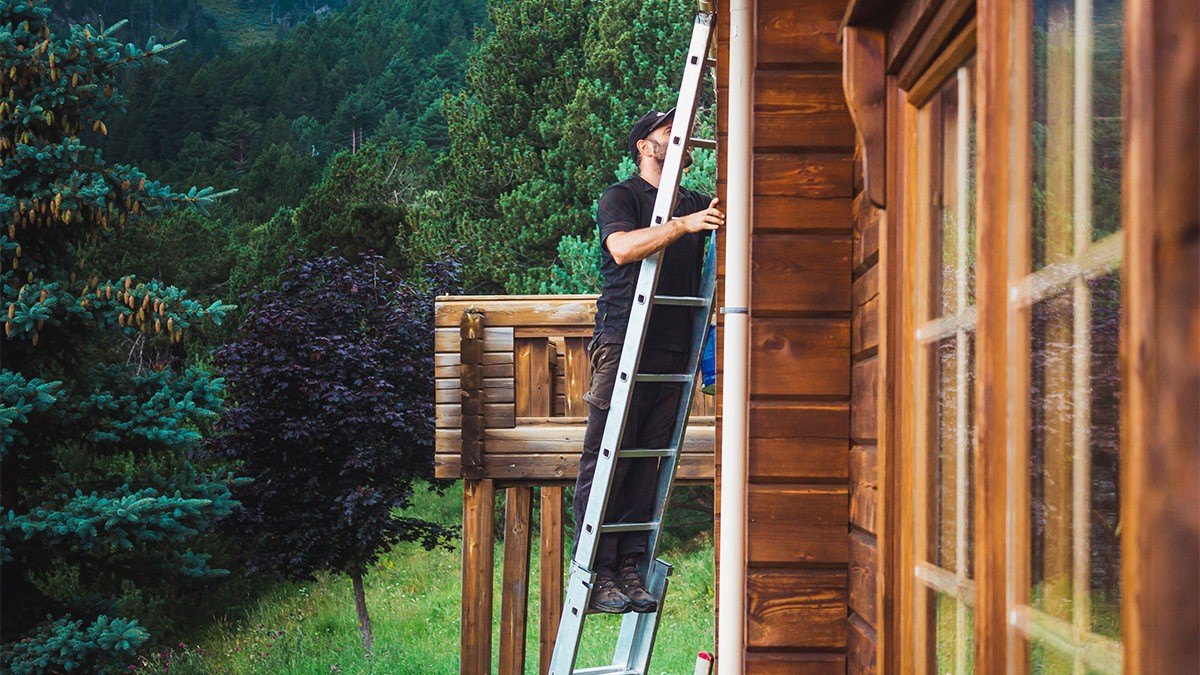
Wood Cabin Maintenance Guide: Smart Tips to Extend the Life of Your TimberA wooden cabin has natural warmth and charm, but wood requires regular care to stay strong and beautiful. Proper maintenance helps prevent decay, cracks, and insect damage while keeping your cabin looking timeless. Here are some smart tips to extend the lifespan of your wooden structure.